Young Australian Entrepreneurs: Lessons from Dale Beaumont

Dale Beaumont presenting at Business Blueprint as an example of young Australian entrepreneurs

Young Australian entrepreneurs can be powerful role models for children. When kids see real people building businesses, creating freedom and using their success with purpose, enterprise becomes much more than an idea in a book.

“`

Dale Beaumont is one of those examples. His story reminded us that who we spend time with, who we learn from and who we allow to influence our thinking can shape what we believe is possible.

“`

Dale Beaumont as a young entrepreneur inspiring enterprising kids
Dale Beaumont began his entrepreneurial journey young, making his story a powerful example for enterprising kids.

Young Australian Entrepreneurs: Lessons from Dale Beaumont

Part of what we love about this blog is that we get to share the success of young entrepreneurs with not only our readers, but also our kids.

As we have been learning through Paul Counsel’s course, and as Dale Beaumont also reinforced for us, who you “hang with” is often who you become like.

That can be a scary thought, or it can be an inspiring thought, depending on your peers and the people you spend the most time with.

Luckily, we have wonderful family and friends. But for us, it is also important to include people who have achieved success in areas where we are still learning and growing.

Some of our family and friends fulfil those needs, but a sure way of increasing self-efficacy for us and our kids is to mix with other successful entrepreneurs, business owners and people who think differently.

Dale Beaumont as a Young Australian Entrepreneur

Dale Beaumont Secrets Exposed Series as an example of young Australian entrepreneurs creating books and business education
Dale Beaumont wrote the Secrets Exposed series.

Dale Beaumont is one such inspiring young Australian entrepreneur. He may not see himself as “young” anymore, but his success started at the tender age of 19.

Before developing his entrepreneurial skills, Dale was an accomplished gymnast and probably what many people would call an overachiever.

When Dale was 19, he co-authored a book called The World at Your Feet, which became the basis of his successful program, Tomorrow’s Youth. Through that program, he taught young people essential life skills.

From there, Dale went on to publish books, build relationships with other successful entrepreneurs, business owners and thought leaders, and eventually develop Business Blueprint.

His journey is a wonderful example for children because it shows that enterprise can begin young. It also shows that success is rarely about one single moment. It is built through learning, relationships, systems, action and persistence.

What Young Australian Entrepreneurs Teach Our Kids

One of the biggest lessons Dale Beaumont’s story teaches our children is that entrepreneurship is not just about making money.

It is about learning how to think. It is about developing skills, building useful systems, creating value, managing time, solving problems and making choices that can lead to more freedom.

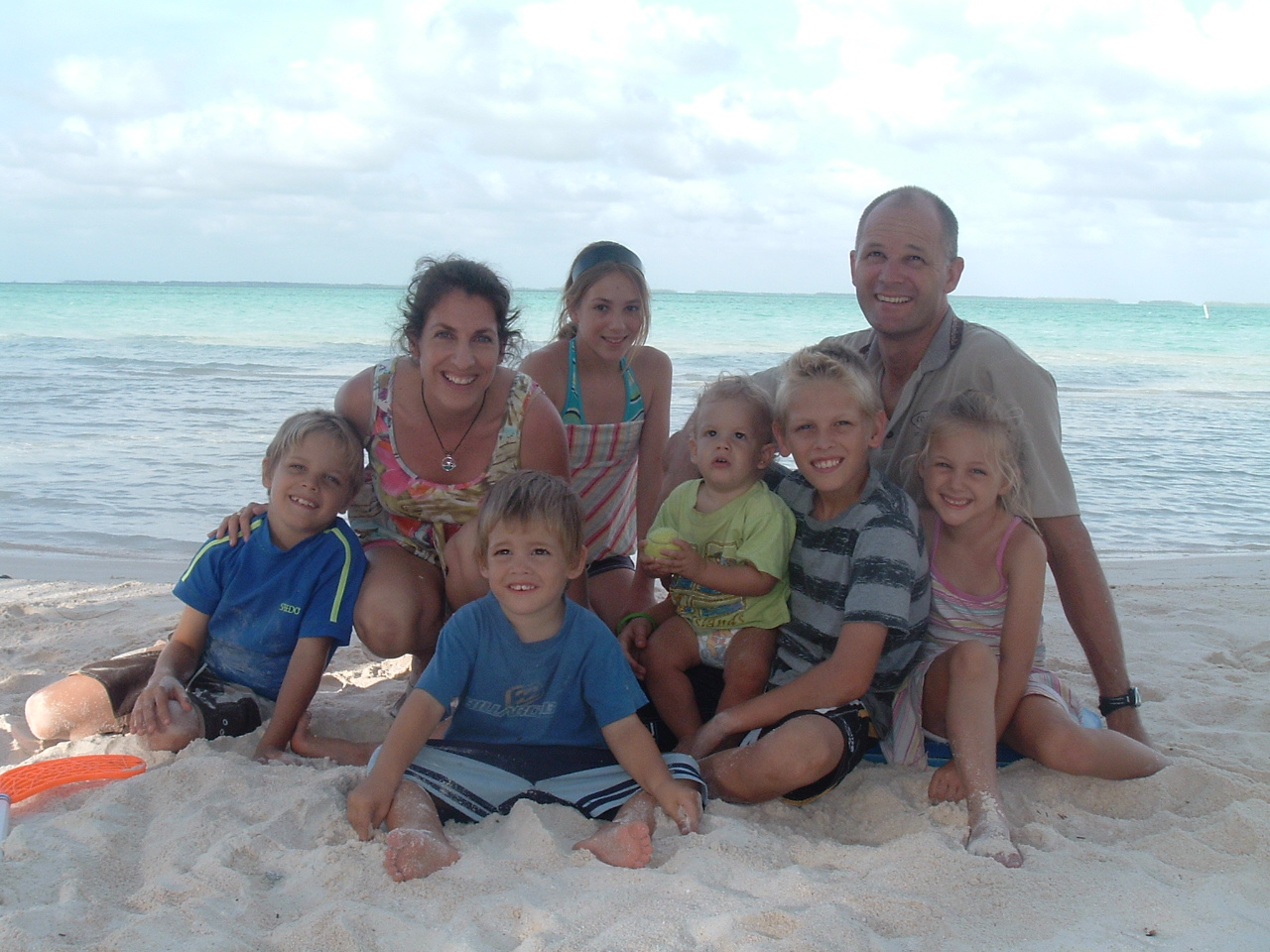
Dale Beaumont with his family showing family freedom through entrepreneurship
Dale with one of his children.
Dale Beaumont and his wife travelling as a result of business systems and financial freedom
Inside the Sistine Chapel.

Dale is married and has two boys, and one of the things that really appealed to Trevor and me was that his focus was not only on business growth. It was also on creating time and freedom to travel with his young family.

He was able to do this because he had built systems within his business so that everything could keep ticking along with or without him.

You can imagine how appealing that was to us.

We did not want business success that simply created another job. We wanted to learn how business could create choice, flexibility and meaningful family experiences.

Lessons from Business Blueprint

I will not go through the whole workshop that my good friend Sally and I attended in Perth, but I do want to share a few highlights that really stuck with me as Dale spoke.

Dale Beaumont presenting at Business Blueprint as an example of young Australian entrepreneurs
Presenting at Business Blueprint.

Two sayings that stood out were:

“Empty bank accounts don’t feed the people.”

“The poor can’t help the poor.”

Those two sayings alone say a lot.

Some people want money purely for money’s sake — to have nice things and show others how well they are doing. Others want money so they can enjoy wonderful experiences, support their family, do good things in the world and make a difference in the lives of others.

We fall into that second category.

Dale’s example helped reinforce something important for our family: money with purpose can become a tool for freedom, contribution and service.

Money, Purpose and Making a Difference

One thing we found inspiring was Dale’s support for Hands Across the Water in Thailand. It was powerful to see an entrepreneur using his success and influence to make a difference in the lives of children.

This is an important message for enterprising kids.

We do not want our children to think that business is only about making money. We want them to understand that business can also create choices, opportunities and the ability to contribute.

That idea connects beautifully with our own reflections on whether having a money mindset can also be charitable.

The Internet Changed Business Forever

New Rules of Business seminar showing how the internet changed business for young Australian entrepreneurs
New Rules of Business seminar.

The internet has changed business forever.

If we do not embrace that change, our businesses can get left behind. A classic example was the way physical bookstores were challenged as online bookselling grew rapidly.

The point for our children is clear: the business world they are growing into is very different from the business world we grew up in.

Today’s young people need to understand technology, online marketing, digital systems, automation, websites, customer service, communication and content.

They do not need to master all of these skills as children, but they do need to grow up with the mindset that learning never stops.

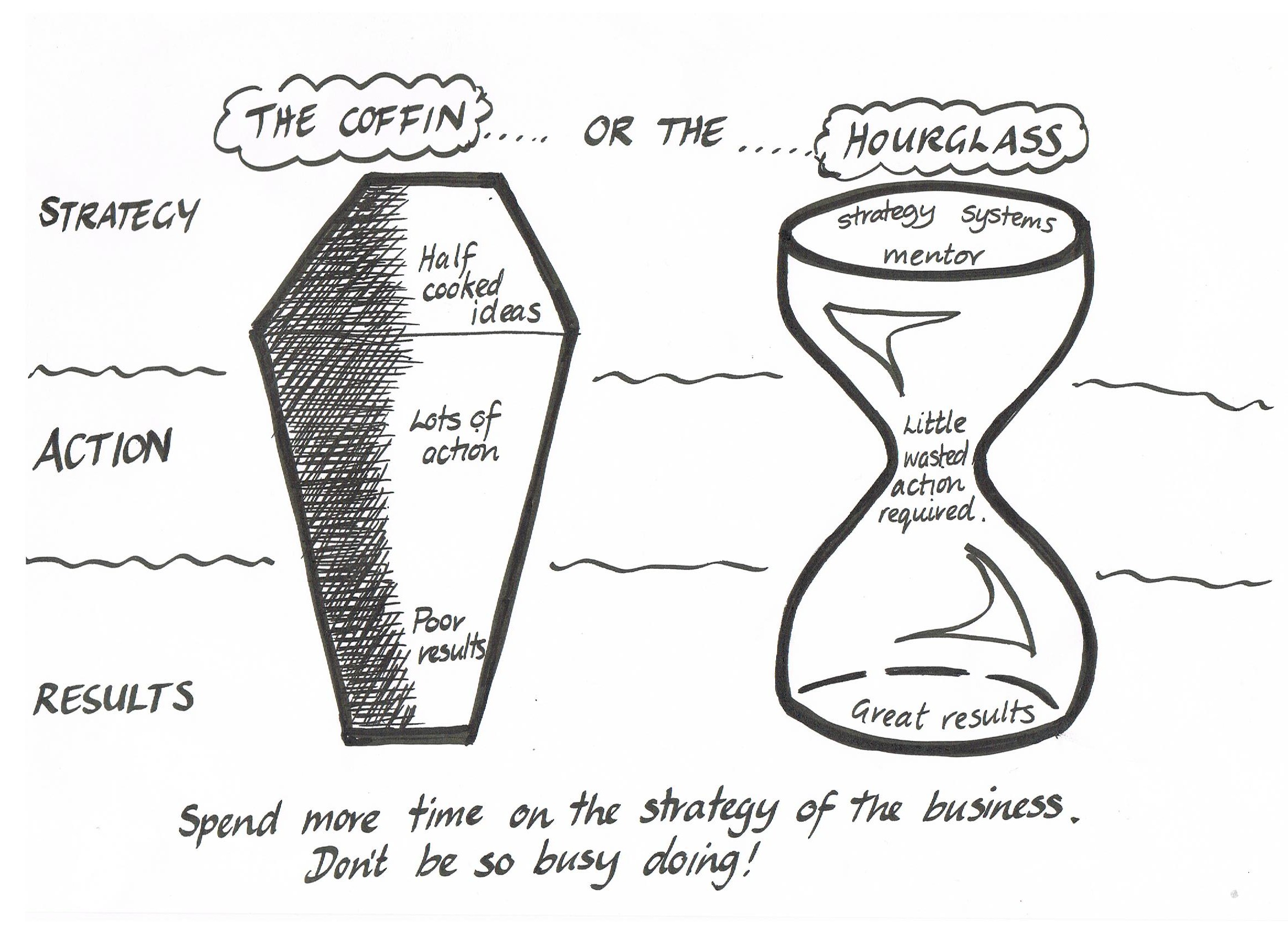
The Coffin or the Hourglass

Dale shared something he learnt when he was just starting out in business.

He called it the coffin or the hourglass.

The coffin or the hourglass business planning model taught by Dale Beaumont
The Coffin or the Hourglass.

Many people starting in business spend more time taking action than they do strategising or planning where they want their business to end up.

Taking action is important, of course. But you do not want your business to be like a coffin, where little time is spent thinking, planning and designing the right direction, while heaps of time is spent taking action that may not be very fruitful.

The hourglass, on the other hand, is about putting time into planning, strategising and thinking first.

With well thought-out plans in place, the action you take becomes more focused and the results are more fruitful.

So what would you prefer? A business with the coffin model, or one with the hourglass model?

Young Australian Entrepreneurs Need Systems

I think one of the reasons Dale became successful in a relatively short period of time was his ability to let go of things that could be done by someone else and focus on the things he needed to do to be effective within his business.

That is a major lesson for young Australian entrepreneurs.

Hard work matters, but systems matter too.

Business owners who try to do absolutely everything themselves can quickly become exhausted. Systems help free up time, improve consistency and allow business owners to focus on the areas where they can create the most value.

In the original version of this article, we talked in detail about a particular automation and CRM system we had started using at the time. Years later, the exact tools have changed, but the lesson remains the same.

Business systems can help with:

  • email follow-up,
  • customer records,
  • online payments,
  • memberships or subscriptions,
  • event management,
  • task management,
  • marketing follow-up,
  • and website processes.

The specific software will keep changing, but the mindset is timeless: build systems that help your business run more smoothly.

You can learn more about Dale Beaumont and his business education work through Business Blueprint.

What This Means for Enterprising Kids

So, how does all of this relate to enterprising kids?

For any business our kids choose to start, using the internet will be a given, especially as they grow into young adults.

If we want our kids to be competitive in today’s markets, we need to show them the way by continuing to learn ourselves.

They will follow our lead. They will absorb whether we are curious, whether we keep improving, whether we look for better systems and whether we are willing to adapt.

We want our children to have a mindset that says:

Get savvy. Learn. Improve. Keep going.

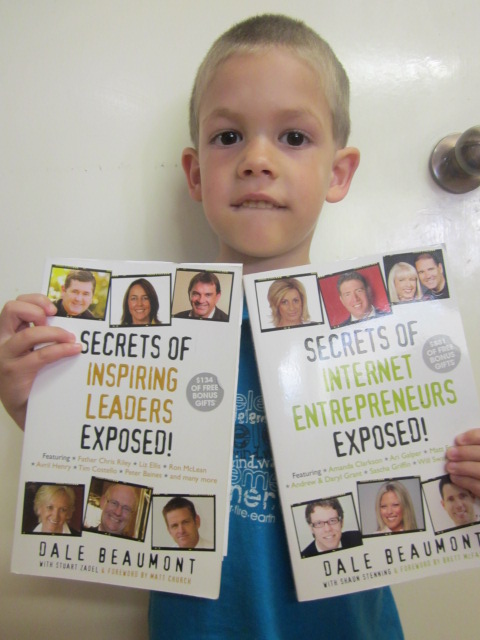
Bedtime Reading for Enterprising Kids

Chayse holding business books as bedtime reading for enterprising kids
Bedtime reading for enterprising kids.

Generation Y and the generations after them are already building and creating things that improve efficiency in their lives.

Why spend six hours on something if you can learn how to streamline it and do it in one?

That is the world our children are growing into.

We agree completely that life is not meant to be all about work. We want to work to live, not live to work, and we want our kids to understand that concept too.

At the same time, we want them to know that learning from successful entrepreneurs can expand their thinking.

Books, mentors, workshops, conversations and real-world examples can all help children see what is possible.

We no longer need a long list of affiliate-linked books here. The bigger message is simply this: expose children to inspiring people and ideas, then help them apply those ideas in age-appropriate ways.

Key Takeaway: Young Australian Entrepreneurs Can Inspire Kids

Key takeaway: young Australian entrepreneurs like Dale Beaumont can help children see what is possible. When kids are exposed to mentors, business systems, purpose-driven money lessons and real-world learning, they begin to understand that enterprise can create freedom, contribution and choice.

Where to Next?

Who are your children learning from, and what kind of thinking are those influences helping them develop?

Vision Board Ideas for Students: What The Secret Left Out

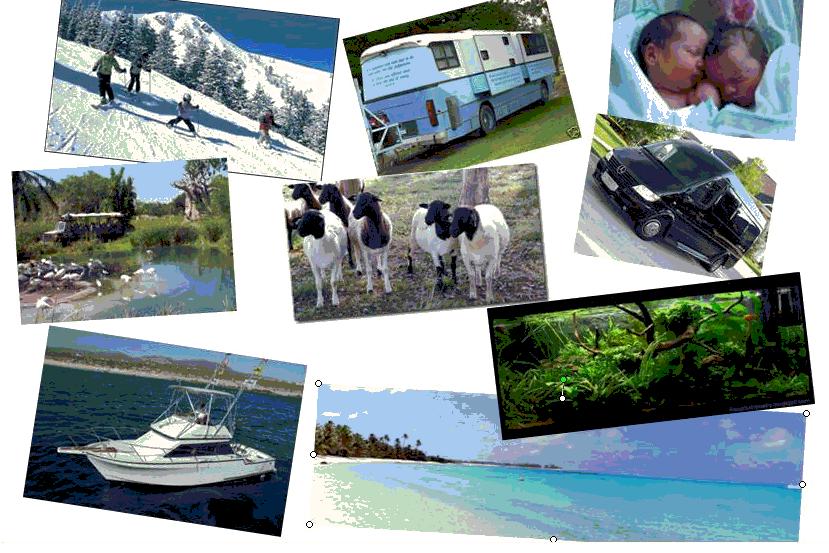
Family motorhome trip through the USA manifested from a 2005 vision board

Vision board ideas for students are not just about cutting out pictures and hoping dreams come true. A vision board can help children see what they want, but the real power comes when that dream is connected to focus, intention and action.

“`

This story begins with one of Trevor’s childhood dreams — a farm on a grassy hill — and leads into what we learnt about vision boards, subconscious limits, family goals and what The Secret may have left out.

“`

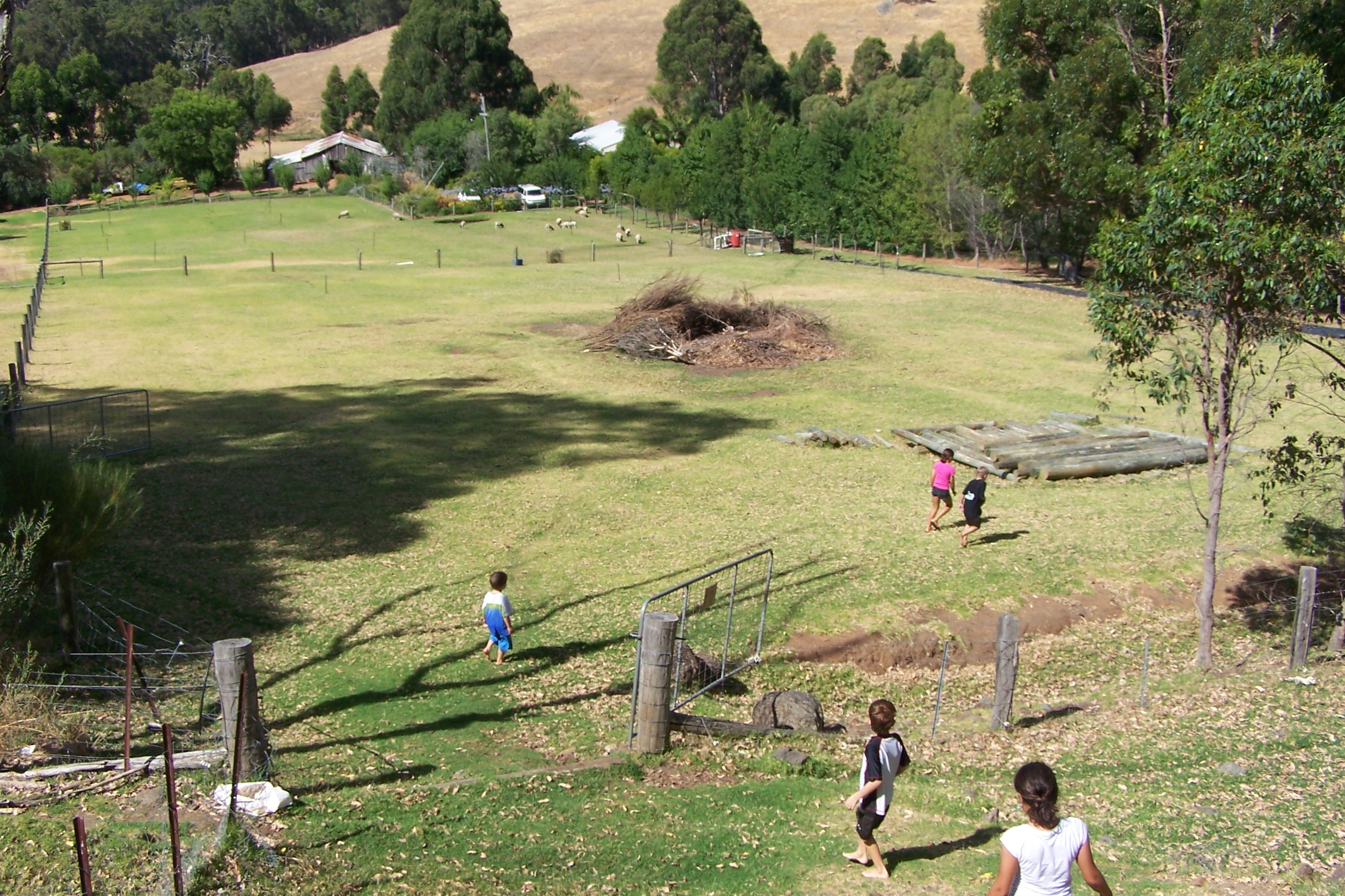
Vision board ideas for students shown through a family farm dream that became real through focus and intention
Our farm became a real-life reminder that the pictures children hold in their minds can shape their dreams.

Vision Board Ideas for Students: What The Secret Left Out

As a kid, I always wanted to be a farmer.

When I was growing up, I had a framed picture of a farm on my bedroom wall. I would look at it and think about it every day for years.

The picture showed a big wooden barn sitting on a grassy hill with duck ponds, sheep, a dog, a tractor and children running around.

The funny thing was that twenty years later, Cathy and I found and bought a little farm that was just about identical to the picture from my bedroom wall.

The little farmhouse sat on a green grassy hill, which is rare in Western Australia with its semi-arid countryside. It had a big wooden barn, sheep, ducks, a dog and a tractor. To top it off, we raised most of our children there during their early years.

I had no idea until later that the very farm we owned was so close to what I used to dream about as a child.

Why Vision Board Ideas for Students Work Best With Focus

When the movie The Secret came out, I was fascinated by the stories of people visualising in their minds what they wanted and then, over time, seeing those same things arrive in their physical world.

I guess that is exactly what happened to me, although it did take about twenty years.

Over the years, this idea seemed to show up many times in our lives. That is one reason we believe vision board ideas for students can be so powerful when they are used properly.

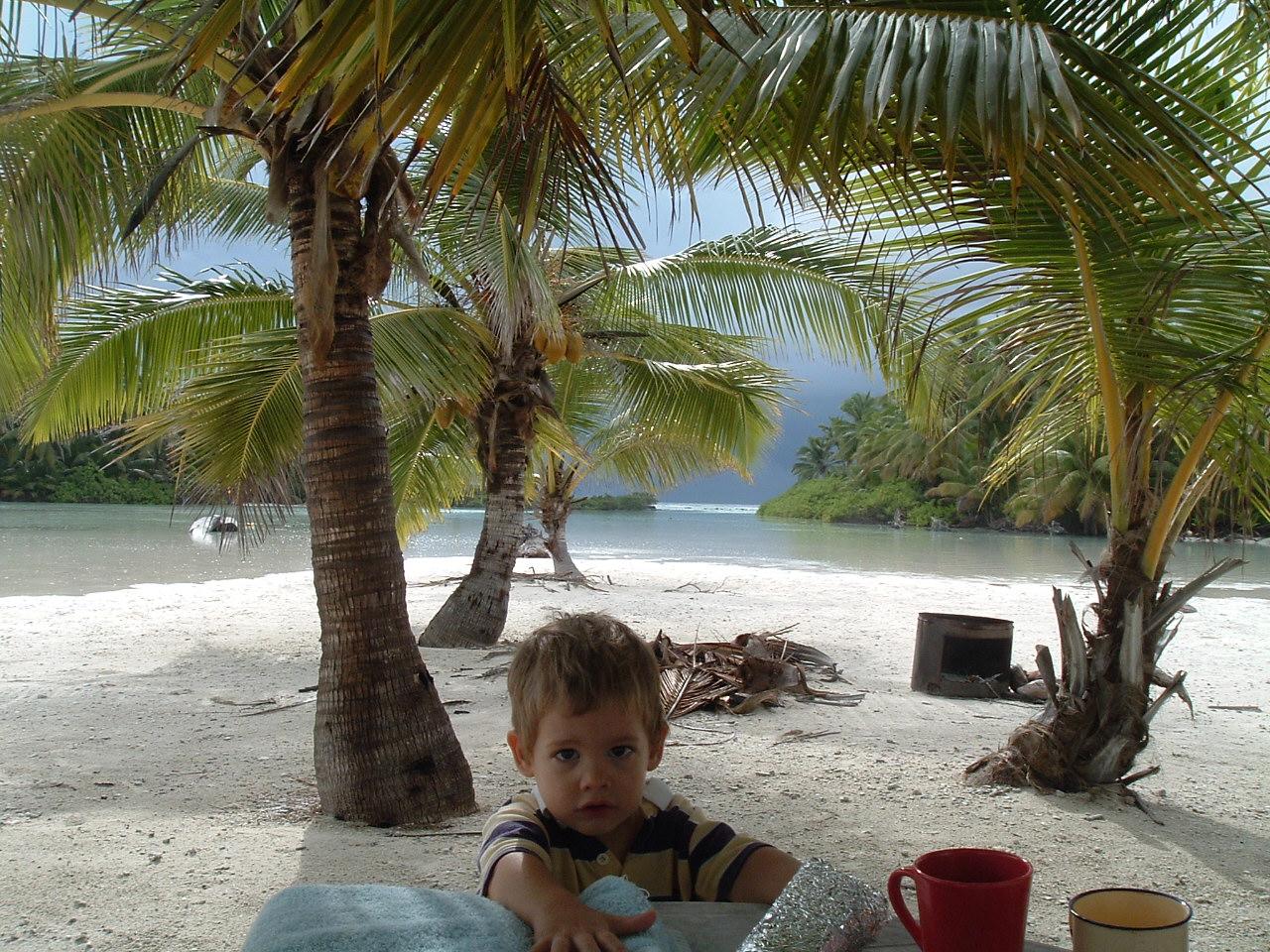
Vision board ideas for students connected to Kit camping on the Cocos Islands as a family dream come true
Kit camping on the Cocos Islands — a dream come true.
Howitt family on the Cocos Islands after using visualisation focus and vision board ideas for students
Our Cocos experience.

Our experience living on the Cocos Islands was a visual thought many years before it became a reality.

Travelling through Canada and the USA in a motorhome with our family was another example of a visualisation becoming real. You can see more of that adventure on our family travel blog, Driving Us Crazy.

These experiences made us think deeply about vision, focus and how the pictures we hold in our minds can shape the direction of our lives.

Family Vision Board Ideas for Students and Kids

Making a vision board is one way to build a visual picture of what you want.

Cath and I have created dream boards and stowed them away, only to pull them out years later and see that several of the dream pictures could be ticked off as having been achieved.

Kite surfing, a large aquarium, more children, a fishing boat and family adventure were just a few examples.

Kite surfing goal achieved after appearing on a family vision board
Kite surfing.
Trevor's 2005 vision board showing vision board ideas for students and dream images that later became real
Trevor’s 2005 vision board. Almost all of these images became reality over time.

We believe vision boards help with visualising what you want. Because of that, we encourage our kids to make and display dream boards too.

They think it is all great fun, but there is also a powerful lesson underneath it.

When used well, vision board ideas for students can help children begin asking important questions:

  • What do I really want?
  • What kind of life do I imagine?
  • What experiences matter to me?
  • What goals feel exciting enough to work towards?
  • What small step could I take first?

The Problem with The Secret

The Secret shared a message that many people found inspiring: see it, believe it and allow it to come into your life.

There is certainly something powerful about visualising what you want and building emotional connection to your dreams.

However, when we read discussions about the law of attraction and visualisation, we also see many people feeling frustrated. They meditate, focus, make vision boards and think about what they want, yet they do not always see those things appear in their lives.

That raises an important question for parents, teachers and students.

If vision boards are powerful, why do some dreams still stay stuck on the board?

Vision Board Ideas for Students Need Focus and Intention

Vision board ideas for students need focus intention and action to move goals forward
Visualisation is powerful, but focus and intention help move the dream forward.

Our Money Mastery mentor explained that there was an important ingredient that The Secret did not emphasise enough.

He explained that while you need to visualise what you want and feel it emotionally, you also need persistent focus, clear intention and aligned action.

Without that focus, it is much harder for a dream to become reality.

He said, “The problem is that people have their focus elsewhere.”

That made sense to us.

In our situation, we were often busy all week at work. When we were home, our attention was taken up with sorting the kids, doing household chores and keeping up with our social life.

Our focus was being drawn away from the things we wanted to achieve, even though we were visualising them.

Often, when people hit a rock-bottom point in life, their focus becomes very sharp. This may happen through a near-death experience, serious illness, a breakup, financial stress or another major life change.

In those moments, the conscious and subconscious mind can suddenly align around a deep inner drive for change.

But we do not need to wait for rock bottom to teach children about focus.

That is where vision board ideas for students can become practical. A vision board should not simply be a collage of wishes. It should become a reminder of what deserves attention, planning and action.

Subconscious Limits, Comfort Zones and Student Goals

The other concept Paul, our Money Mastery mentor, explained was the idea of a “belt” or comfort zone.

Our subconscious mind seems to have an upper and lower limit for many areas of life, including wealth, happiness, relationships, health and success.

Using money as an example, let us say someone’s subconscious is only comfortable earning a certain amount each year. If they suddenly exceed that amount, they may unconsciously self-sabotage and bring themselves back to what feels familiar.

That self-sabotage could show up as overspending, poor decisions, risky behaviour, giving money away too quickly or simply failing to follow through.

Consciously, a person may say they want a much bigger goal. But if their subconscious is not comfortable with that goal, they may keep pulling themselves back into the old familiar zone.

The same principle can apply to relationships, health, weight loss, confidence, happiness, money and many other areas of life.

This is why small steps matter.

One way to work with these limits is to gradually build towards bigger dreams by visualising and intending smaller dreams that lead towards the larger one.

In other words, take smaller steps and celebrate them once they become real. Over time, your subconscious mind can begin to raise its upper limit to meet what your conscious mind is asking for.

Practical Vision Board Ideas for Students

So how can we make this useful for children and students?

A vision board should help students dream, but it should also help them focus. It can become a bridge between imagination and action.

Here are some practical vision board ideas for students:

  • Adventure goals: places they would love to visit or experiences they want to have.
  • Learning goals: skills they want to build, such as art, coding, sport, writing, music or public speaking.
  • Enterprise goals: business ideas, products, markets or money goals they would like to explore.
  • Character goals: qualities they want to develop, such as courage, kindness, persistence, confidence or generosity.
  • Family goals: shared experiences, trips, projects or adventures the family can work towards together.
  • Contribution goals: ways they would like to help others, give, serve or make a difference.

These vision board ideas for students work best when children also identify one action they can take. The image gives the goal a shape, but the action gives the goal movement.

Vision Board Ideas for Students at Home

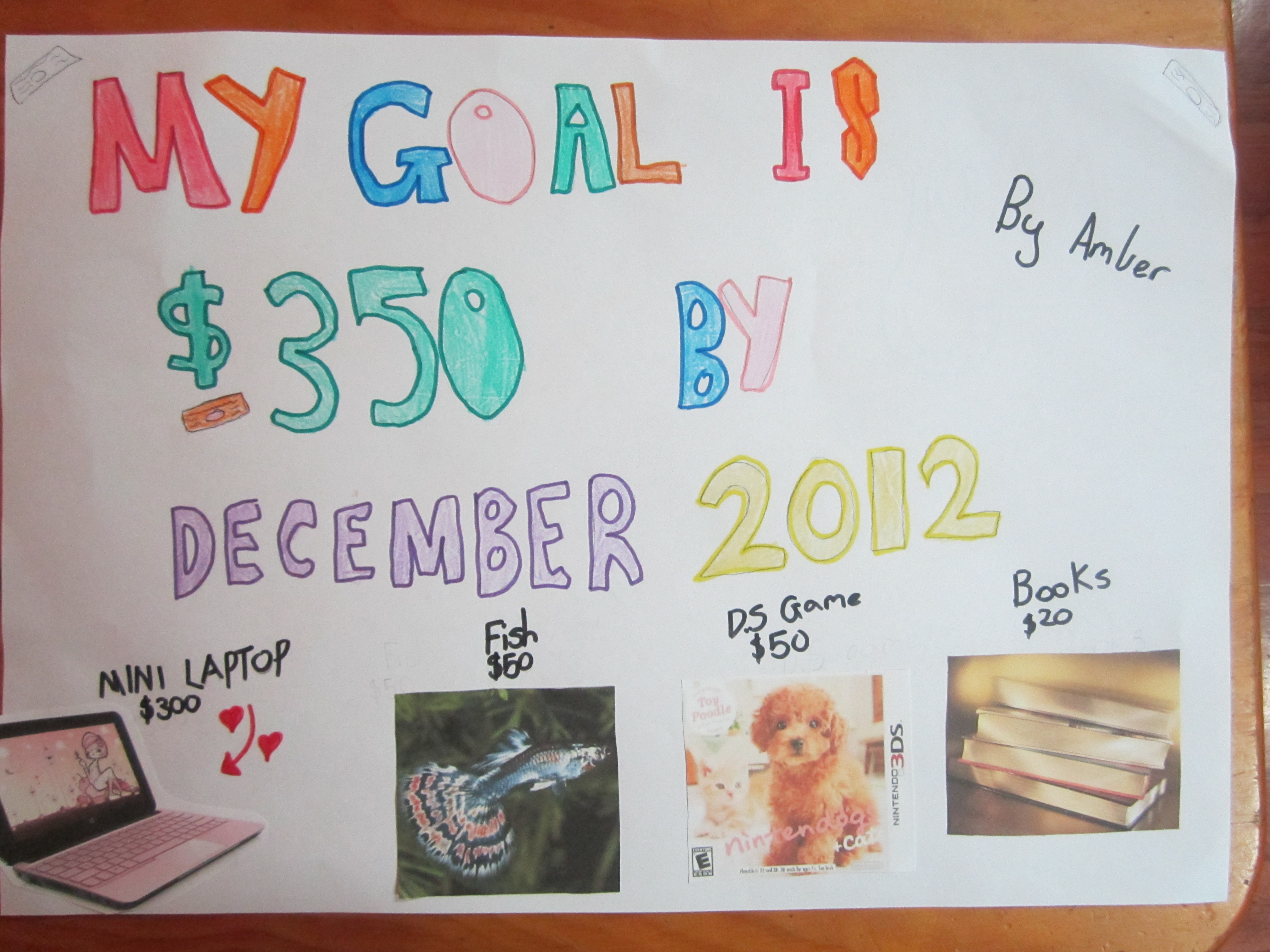
Amber's vision board showing vision board ideas for students and goal setting for kids
Amber’s vision board.

It took up to twenty years for some of my dreams to come about, so do not allow another moment to pass you or your children by.

Encourage your kids to make vision boards. Teach them how to visualise and feel what they want. Help them establish a simple plan and then, most importantly, help them make it their focus.

A student vision board works best when it includes:

  • a clear picture of the goal,
  • a reason why the goal matters,
  • one small action they can take now,
  • a reminder to keep going,
  • and a way to celebrate progress.

The dream matters. The picture matters. The feeling matters.

But the focus and action matter too.

Key Takeaway: Vision Board Ideas for Students Need Action

Key takeaway: vision board ideas for students are most powerful when they move beyond dreaming. A vision board can help children see what they want, but students also need focus, intention, small steps and action to bring their goals closer to reality.

Where to Next?

What would your child put on a vision board today, and what is one small action they could take towards it this week?

Leadership Activities for Teens: Jai’s Green SuperCamp Bali Experience

Leadership activities for teens during team games at Green SuperCamp Bali

Leadership activities for teens do not always look like formal lessons. Sometimes they look like dance, drama, team games, high ropes, trust-building, public speaking, friendships and learning how to step outside your comfort zone.

“`

That is exactly what Jai experienced at Green SuperCamp Bali. He returned to Australia with stories to share, new confidence and a stronger sense of what it means to be motivated, balanced and willing to have a go.

“`

Leadership activities for teens through dance and drama at Green SuperCamp Bali
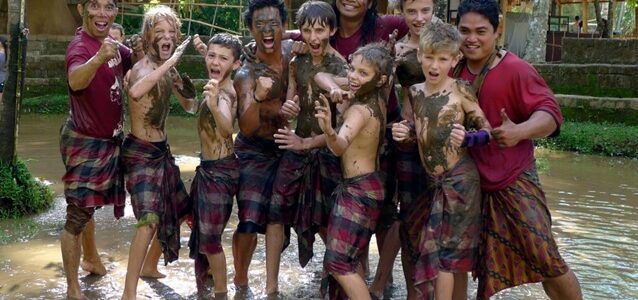
Dance, drama and group challenges helped Jai step outside his comfort zone at Green SuperCamp Bali.

Leadership Activities for Teens: Jai’s Green SuperCamp Bali Experience

Jai and Kaitlin also attended Green SuperCamp Bali, although their experiences were a little different to Flynn’s Green SuperCamp experience.

Jai and Kaitlin were with teenagers from around 14 to 17 years old, so their learning and activities were different from the younger group. They still had life-changing experiences and returned to Australia with plenty of stories to share and noticeable positive changes.

You can also read Amber’s Green SuperCamp reflection and the earlier post about why our kids wanted to attend Green SuperCamp.

For readers interested in current Bali-based camp experiences, you can also explore the official Green Camp Bali kids and youth camps, which continue the spirit of outdoor, hands-on learning and personal growth.

Here is Jai’s account in his own words.

Jai’s First Impressions of Green SuperCamp Bali

Jai being prepared by his team to present a talk during leadership activities for teens at Green SuperCamp Bali
Jai being prepared by his team to present a talk to the group.

The Green Super Camp was a once in a lifetime opportunity! I reckon I learnt more in the one week I was there than I have all of high school!

It’s hard to explain what we learnt, but it involved quantum strategies, learning how to trust, have integrity, be balanced, and be self motivated. We also learnt some easy ways to increase our grades!

The way we were taught these things was also very unique. There were so many skits and stories and we were involved in any way possible. Learning became fun and we found it easier to remember things.

Everybody there was so friendly and strong friendships were formed quickly.

What stands out in Jai’s reflection is that the camp did not separate learning from experience. The teenagers were not simply sitting and listening. They were involved, moving, speaking, presenting, laughing, trying, trusting and remembering through action.

That is why leadership activities for teens can be so powerful. They help young people learn by doing.

Leadership Activities for Teens Through Trust and Challenge

Green SuperCamp Bali gave Jai the chance to learn alongside teenagers from around the world. The activities were designed to build confidence, trust, teamwork and self-motivation.

Jai at Green SuperCamp Bali learning confidence trust and self motivation
Green SuperCamp Bali.
High ropes course as a leadership activity for teens at Green SuperCamp Bali
High ropes course.
Bamboo construction project at Green SuperCamp Bali teaching teamwork and problem solving
Building project.

Although the kids on the camp were from all around the world, we all got on really well and learnt a lot about each other!

The Green Super Camp Bali was very different to any other camp I have been on.

The high ropes course, building projects, drama, games and group challenges were not just activities to keep the teenagers busy. They were leadership activities for teens designed to develop trust, courage, communication and perseverance.

These are the same qualities we want our children to develop through real-world learning and enterprise.

Teamwork Activities for Teens at Green SuperCamp

Every morning, before breakfast, Jai and his team had to stand up together and chant:

Leadership activities for teens during team games at Green SuperCamp Bali
Team games at Green SuperCamp Bali.
Jai making friends at Green SuperCamp Bali during teamwork activities for teens
Making friends, with the camp in the background.

“HUNGRY HUNGRY
*clap clap*
VERY VERY
*clap clap*
HUNGRY VERY
*clap clap*
VERY HUNGRY
*clap clap*
TI CALACKA PI A PI A
MAKAN!”

At first we all thought this was really weird and immature and none of us were really comfortable chanting it, but after a few days, nobody cared about how they looked, which was another thing we learnt, and we all got right into it!

This is one of the great lessons of camp experiences like this. Teenagers often worry about how they look, what others think and whether they will be judged.

But in the right environment, with strong facilitators and a group willing to participate, those barriers can begin to fall away.

Leadership for teens often begins when young people stop worrying so much about looking silly and start participating fully.

Confidence Building and International Friendships

Green SuperCamp Bali 2012 group photo showing international leadership activities for teens
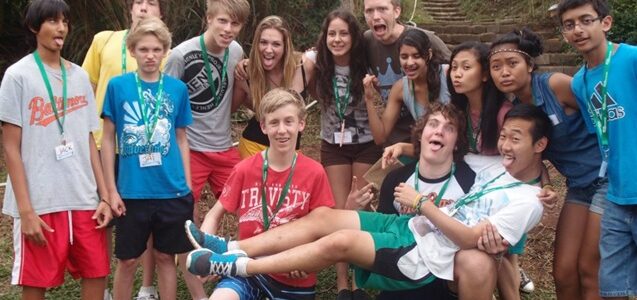
Green SuperCamp Bali 2012.

My favourite part of the camp was interacting with the people there and mucking around with new-found mates!

If I had to say my least favourite part of the camp, it would be the fact that we sat a lot and our bums were sore by the end of the camp, but that was minor compared to how much fun we had.

Overall this camp was an amazing experience and I would happily go back any day!

I would recommend this camp to anyone who is experiencing problems in their life, or would just like to try something new!

By Jai

Jai’s words say so much.

For us as parents, Green SuperCamp Bali was not just about a week away. It was about confidence building, self-motivation, friendship, courage, integrity, trust and learning how to participate in life more fully.

Those are not small lessons.

Why Leadership Activities for Teens Matter

Leadership activities for teens matter because young people often need experiences that help them discover who they are outside their normal routines.

At home and school, teenagers can become locked into familiar roles. They might be seen as the sporty one, the shy one, the loud one, the academic one, the distracted one, the confident one or the one who never volunteers.

A camp experience can shake that up.

Suddenly they are in a new environment, with new people, new expectations and new challenges. They have to speak, listen, trust, try, fail, laugh, lead, follow and contribute.

That is real-world learning.

These kinds of experiences also connect closely with the broader ideas we explored in our article on Green School Bali and real-world learning.

They also connect with the current Green Camp Bali kids and youth camps, where young people continue to learn through immersive, nature-based experiences.

What Jai’s Green SuperCamp Experience Taught Us

Jai’s Green SuperCamp Bali experience reminded us that teenagers can grow quickly when they are placed in the right environment.

He learnt about quantum strategies, trust, integrity, balance, self-motivation, study habits, friendship and confidence. Just as importantly, he learnt that learning can be fun, active and memorable.

For enterprising kids, these lessons matter.

Entrepreneurship is not only about business. It is about leadership, communication, resilience, initiative and the ability to work with others.

That is why leadership activities for teens can support the same qualities we want in young entrepreneurs.

Key Takeaway: Leadership Activities for Teens Build Confidence

Key takeaway: leadership activities for teens can build confidence, trust, self-motivation and real-world learning. Jai’s Green SuperCamp Bali experience showed us that teenagers can grow powerfully through team games, high ropes, drama, friendships and stepping outside their comfort zone.

Where to Next?

What kind of leadership experience could help your teenager build confidence, trust and self-motivation?

Entrepreneurship Games for Students: Flynn’s Green SuperCamp Reflection

entrepreneurship games for students Flynn at Green SuperCamp Bali

Entrepreneurship games for students can help young people develop confidence, leadership, resilience and teamwork through real-world experiences. Twelve-year-old Flynn confidently walked through the international airport departure gate, heading off to Bali for an experience of a lifetime at Green SuperCamp Bali.

Although Flynn was excited, saying goodbye at five in the morning and watching him leave Australia without us for more than a week filled us with both pride and nerves.

Flynn participating in entrepreneurship games for students at Green SuperCamp Bali
Flynn enjoying the activities at Green SuperCamp Bali.

Entrepreneurship Games for Students at Green SuperCamp

Students learning quantum strategies at Green SuperCamp Bali
Learning Quantum learning strategies.
Entrepreneurship games for students including Balinese martial arts activities
Balinese martial arts in the mud pit!

When Cathy and I first learnt about Green SuperCamp, we immediately recognised the tremendous character-building benefits it could provide for our children.

The activities challenged students physically, emotionally and mentally. They also helped the children build confidence, courage and self-belief.

Many activities at camp acted as entrepreneurship games for students. They encouraged teamwork, leadership, perseverance and problem-solving — all important qualities for future entrepreneurs.

Students building focus and discipline at Green SuperCamp Bali
Focus…
Students building confidence through entrepreneurship games for students
… self confidence…
Students learning determination at Green SuperCamp Bali
… determination!

We wanted to share Flynn’s experience on our Enterprise for Kids blog because we strongly believe the values taught at Green SuperCamp help build future leaders and entrepreneurial kids.

Flynn’s Reflection on Green SuperCamp Bali

Below is Flynn’s reflection written in his own words after returning home from camp.

Students participating in cultural activities at Green SuperCamp Bali
The Balinese mud dance!
Fun entrepreneurship games for students at Green SuperCamp Bali
Green SuperCamp was an awesome experience!

“SuperCamp was an absolutely awesome experience!

The biggest challenge that I faced was going to Bali on my own without my parents. I just knew that I wanted to go on the Green SuperCamp, and to do that I had to go on my own.

I loved trying all the fun activities like mud wrestling, the high ropes course, Balinese dancing and seeing all the zoo animals.

Students participating in teamwork activities at Green SuperCamp Bali

I became friends with kids from all over the world. There were kids from America, Australia, Bali, Indonesia, London, India, New Zealand and Japan.

Everyone there was really nice, happy and determined to persevere through challenges. I liked everyone at Green SuperCamp!

One of my favourite activities was the mud fighting because I learnt self-defence and how to throw people over my back. This activity taught me perseverance and the importance of never giving up.

Leadership and Entrepreneurship Games for Students

Students learning leadership and entrepreneurship strategies
Learning…
Key success strategies taught at Green SuperCamp Bali
… the key to success!

We were taught Quantum strategies to think and learn. As a result, my reading became seven times faster.

The Bali Green SuperCamp was a fantastic experience. I think everyone should have a chance to go!”

Watch Flynn sharing his Green SuperCamp experience after returning home.

Positive Changes After Camp

Team-building entrepreneurship games for students
Team building…
Students learning responsibility and teamwork at Green SuperCamp
… responsibility and care!

Since returning home, we have noticed a number of positive changes in Flynn. His teachers commented that he had been making a real effort at school and staying away from mischief.

He even started reading books willingly — something he usually avoided. In fact, Flynn reached his school reading goal within only three weeks.

In addition, he showed greater responsibility with chores, stronger focus in soccer and more confidence in everyday life.

Experiences like these demonstrate how entrepreneurship games for students and leadership activities can positively influence young people long after camp finishes.

To learn more about Green SuperCamp and its programs, visit SuperCamp International.

Key Takeaway: Entrepreneurship Games for Students Build Confidence

Key takeaway: Entrepreneurship games for students help children build confidence, resilience, leadership and teamwork through real-world learning experiences.

Where to Next?

If you enjoyed this Green SuperCamp story, you may also enjoy:

Next up we share Jai’s experience at Green SuperCamp Bali!

We would love to hear your thoughts, so please leave a comment below.

Youth Entrepreneurship: Why Our Kids Wanted to Attend Green SuperCamp

Jai and Kaitlin with students at Green SuperCamp Bali learning leadership and youth entrepreneurship skills

Youth entrepreneurship often begins with confidence, leadership and real-world learning experiences. We were delighted that our three eldest children were able to attend Green SuperCamp Bali, where they had life-changing experiences that gave them new understandings and beliefs about themselves.

These experiences will stay with them forever. For Kaitlin, Jai and Flynn, Green SuperCamp was a chance to step outside their comfort zones, meet new people and begin thinking differently about their future.

youth entrepreneurship at Green SuperCamp Bali with Kaitlin in a crowd
Kaitlin attending Green SuperCamp Bali.

Youth Entrepreneurship and Green SuperCamp Bali

Each of our kids applied for a Green SuperCamp scholarship. The scholarships would help us cover the cost of the camp. Kaitlin, Jai and Flynn each wrote why they wanted to attend.

We were very inspired by the passionate words they wrote in their applications. Their writing showed us how much they wanted to grow, learn and take hold of new opportunities.

Below we have some words from Kaitlin. We are very proud of her passion and talent in getting her message across to the organisers of the SuperCamp.

You may also enjoy reading Amber’s Green SuperCamp reflection, where she shares what she learnt from her own camp experience.

Kaitlin’s Green SuperCamp Scholarship Application

Here’s what Kaitlin wrote:

“I am the eldest of seven children in my family. We have been brought up to strive for excellence and to aim as high as we can. My parents have always been determined to give us kids the best opportunities possible to get the best out of life.

This year I have started year 11, and have found it quite difficult. I have been held up by limitations of my time and motivation. I would love to attend the “Green Super Camp” in order to break these barriers. I want a life where I can be a role model and inspiration for my siblings and others. I want to be able to contribute to the world and show so many people a way to be free, but I’m still trying to work out how to get there.

youth entrepreneurship and confidence building at Green SuperCamp Bali
Kaitlin taking part in confidence-building activities at Green SuperCamp Bali.

I’m so keen to develop a mindset for success. I want to meet new people from around the world, and absorb their confidence and energy. My goal is to become a school prefect or Head Girl and to be accepted into University.

To do this I need to understand and learn about myself. I want to know what it takes to be a leader and to be confident in myself to be one.

If I receive this Scholarship, I would be determined, open and ready, to absorb all the information possible for me to be the best person I can and to motivate others to be the same. This is an experience of a lifetime, and I’m ready for it now.”

Why Youth Entrepreneurship Starts with Confidence

Kaitlin’s words show that youth entrepreneurship is not only about starting a business. It is also about confidence, leadership, courage and the willingness to grow.

Before children can step into real-world opportunities, they often need to believe they are capable. Experiences like Green SuperCamp can help young people see themselves differently.

For Kaitlin, the camp offered a chance to break through barriers, meet inspiring people and learn tools that could help her become a stronger leader.

Real-World Learning for Young Entrepreneurs

Green SuperCamp gave our kids the opportunity to learn outside the normal classroom. They were challenged physically, emotionally and socially.

These kinds of experiences matter because young entrepreneurs need more than ideas. They need confidence, communication skills, resilience and the ability to take action.

For more information about the broader Green School Bali philosophy, you can read our earlier post on Green School Bali Leading the Way.

You can also visit Green School Bali to learn more about their approach to education and sustainability.

Youth Entrepreneurship Through Leadership and Action

When children attend camps, join projects, speak up, set goals and work with others, they are building many of the same skills needed for youth entrepreneurship.

They learn to take responsibility. They practise courage. Most importantly, they begin to see that their actions can make a difference.

Kaitlin wanted to be a role model for her siblings and others. That desire to contribute, lead and grow is a powerful foundation for future enterprise.

Key takeaway: Youth entrepreneurship begins long before a child starts a business. Confidence, leadership, goal setting and real-world learning all help children believe they can create opportunities and contribute to the world around them.

Where to Next?

If you enjoyed this post about youth entrepreneurship and Green SuperCamp Bali, you may also like:

You will have to wait for the next blog to discover what each of them learnt from their camp experience! Until then…

SEO title:

Belief in Yourself: Jay Bennett’s Steps to Success

Energetic teens showing belief in yourself and confidence for success

Belief in yourself is one of the most important ingredients in success. Skills matter, goals matter and opportunities matter, but if a young person does not believe they are capable of growing, learning and following through, it becomes much harder to take action.

“`

That was one of the lessons we took from Jay Bennett’s “Steps to Success” talk. His message about dreams, attitude, belief and commitment applies not only to adults in business, but also to students, enterprising kids and young people learning how to build confidence.

“`

Jay Bennett teaching belief in yourself and steps to success
Jay Bennett’s Steps to Success message focused on dreams, attitude, belief and commitment.

Belief in Yourself: Jay Bennett’s Steps to Success

On our journey, we are finding many opportunities coming our way. Some of these opportunities involve speakers who have achieved enormous success in their chosen fields of endeavour.

What makes many of these speakers so inspiring is that, whatever company they represent or whatever industry they work in, the deeper principles of success are often the same.

One such speaker was an inspiring Californian man named Jay Bennett. Jay had achieved great success in network marketing and spoke with energy, humour, confidence and a genuine passion for helping others succeed.

He was also a very fit and healthy man, and his appearance could easily fool you into thinking he was many years younger than he actually was. He was a walking billboard for the health and wellbeing industry.

Jay spoke for two hours and had us captivated by his insights. His talk was titled “Steps to Success”, and I thought his message was powerful enough to share with our readers.

Step 1: Start With a Dream

If you have not really thought about what your dream is, Jay suggests that is where you should start.

Identify your real dreams and what you want in your life.

Where do you want to be in ninety days?

Where do you want to be in one year?

Where do you want to be in three years?

That simple act of looking ahead can be powerful for students and enterprising kids. Young people need to learn that goals do not have to stay vague. They can be named, pictured, written down and worked towards.

“You have to have a dream to make a dream come true.”

For children and teenagers, a dream might be connected to school, sport, creativity, enterprise, confidence, travel, friendships, money or contribution. The specific dream matters less than the process of learning how to imagine a future and then take steps towards it.

Step 2: Build the ABCs of Success

Jay Bennett explained the foundation for success using three simple ideas: Attitude, Belief and Commitment.

These are easy words to say, but they are powerful life skills to practise.

For enterprising kids, these three ideas connect directly to real-world learning. A child starting a small enterprise, learning a new skill or working towards a personal goal will need all three.

Attitude: Focus on the Solution

Jay’s first success principle was attitude.

He made the point that a great attitude often leads to better results. That does not mean life is always easy or that problems disappear. It means choosing to focus on the solution rather than becoming stuck in the problem.

Some of Jay’s key ideas around attitude included:

  • Having a great attitude leads to better results.
  • Focus on the solution, not only the problem.
  • Associate with positive people.
  • Attitude can influence success in every area of life.

This is such an important message for students.

A child with a poor attitude may see every challenge as proof that they cannot succeed. A child with a stronger attitude can begin to ask, “What can I try next?”

That shift matters.

Belief in Yourself: The Core Success Principle

The second principle was belief, and this is where the phrase belief in yourself becomes so important.

Jay spoke about believing in the industry, the company, the products and the opportunity. But he made it clear that the most important belief is the belief a person has in themselves.

For students and young people, this is a huge lesson.

Belief in yourself does not mean pretending you already know everything. It means believing that you are capable of learning, improving, asking for help, recovering from setbacks and becoming stronger through experience.

Jay’s key ideas around belief included:

  • Believe in the opportunity in front of you.
  • Most importantly, believe in yourself.
  • Believe that you are capable of success.
  • Believe that you deserve the chance to grow.
  • Build belief through positive learning, books, audios, events and mentors.

This is why personal development matters for children and teenagers. The books they read, the people they listen to, the events they attend and the conversations around them can all help shape what they believe is possible.

Commitment: Stay With the Journey

The third principle was commitment.

Jay reminded us that success is usually one step at a time. It is not a single moment. It is a journey.

Commitment means following through on your dreams, even when the first burst of excitement has worn off.

Some of Jay’s key ideas around commitment included:

  • Success is one step at a time.
  • Follow through on your dreams.
  • Success is a journey, not only a destination.
  • Commit to the journey.
  • Success often means hanging on when others have let go.

This is a powerful message for enterprising kids.

Many children have ideas. Fewer children follow those ideas long enough to learn from them. Commitment teaches young people to keep going, adjust, improve and continue after the easy part is over.

Positive Association and Success

Jay Bennett and family showing success principles built around belief attitude and commitment
Jay Bennett and family.

Jay Bennett made a big point about mixing with the right people and keeping yourself focused and motivated.

The best way to do that, he suggested, is to regularly place yourself in environments where you can learn from people who are positive, motivated and moving in the direction you want to go.

That might include seminars, talks, training events, books, audios, mentors, coaches or simply spending more time with people who lift your thinking.

For students, this does not have to mean attending business seminars. It might mean choosing friends carefully, joining a positive team, listening to encouraging podcasts, reading books that stretch them or spending time around adults who model persistence and confidence.

Belief in yourself is easier to build when you are surrounded by people who also believe growth is possible.

Jay Bennett’s Message for Enterprising Kids

Although Jay’s talk was aimed at adults pursuing success, the principles apply beautifully to young people.

Students need dreams.

They need a positive attitude.

They need belief in themselves.

They need commitment.

They also need positive people around them who help them stay motivated and focused.

These are the same qualities that help children develop an entrepreneurial mindset. Whether a child is starting a small business, improving at school, building confidence, learning a sport or working towards a personal goal, the principles remain the same.

You can learn more about Jay Bennett’s training background through his Jay Bennett trainer profile.

How Students Can Practise the Steps to Success

Here is a simple way to turn Jay Bennett’s message into a practical student activity.

1. Name the dream

Ask the student to write down one dream or goal they genuinely care about.

2. Choose the attitude

Ask them to write one problem they might face, then one solution-focused response they could practise.

3. Strengthen belief in yourself

Ask them to write three pieces of evidence that show they are capable of learning, growing or improving.

4. Commit to one step

Ask them to choose one small action they can take this week.

5. Find positive association

Ask them to identify one person, book, video, team or environment that helps them feel encouraged and motivated.

This turns success from a motivational idea into something students can actually practise.

Key Takeaway: Belief in Yourself Builds Success

Key takeaway: belief in yourself is one of the foundations of success. Jay Bennett’s Steps to Success message reminds us that dreams, attitude, belief, commitment and positive association can help students and enterprising kids build confidence and keep moving towards their goals.

Where to Next?

Which part of Jay Bennett’s Steps to Success would help your child most right now: dream, attitude, belief or commitment?