Vision board ideas for students are not just about cutting out pictures and hoping dreams come true. A vision board can help children see what they want, but the real power comes when that dream is connected to focus, intention and action.
“`
This story begins with one of Trevor’s childhood dreams — a farm on a grassy hill — and leads into what we learnt about vision boards, subconscious limits, family goals and what The Secret may have left out.
“`
Vision Board Ideas for Students: What The Secret Left Out
As a kid, I always wanted to be a farmer.
When I was growing up, I had a framed picture of a farm on my bedroom wall. I would look at it and think about it every day for years.
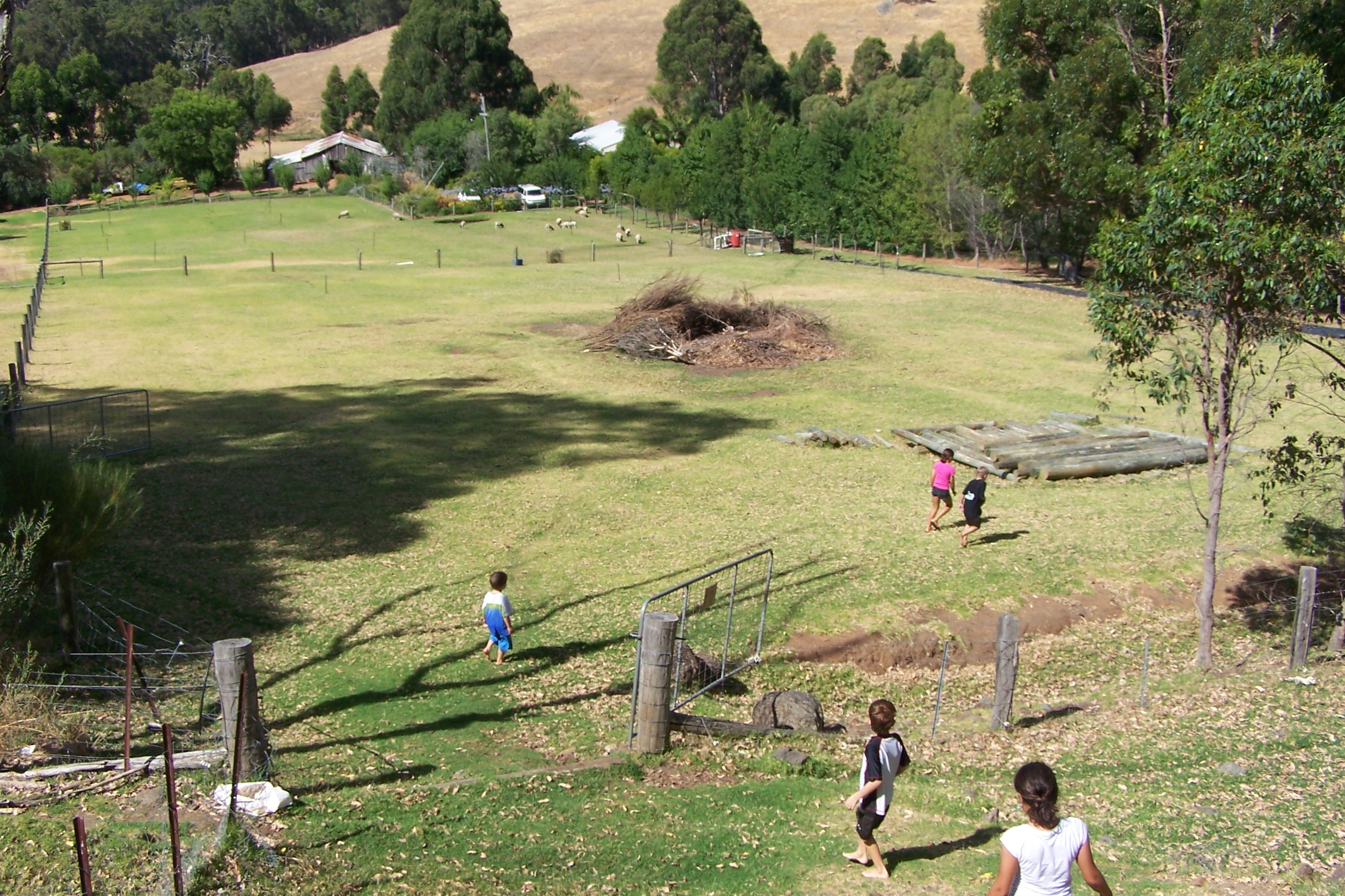
The picture showed a big wooden barn sitting on a grassy hill with duck ponds, sheep, a dog, a tractor and children running around.
The funny thing was that twenty years later, Cathy and I found and bought a little farm that was just about identical to the picture from my bedroom wall.
The little farmhouse sat on a green grassy hill, which is rare in Western Australia with its semi-arid countryside. It had a big wooden barn, sheep, ducks, a dog and a tractor. To top it off, we raised most of our children there during their early years.
I had no idea until later that the very farm we owned was so close to what I used to dream about as a child.
Why Vision Board Ideas for Students Work Best With Focus
When the movie The Secret came out, I was fascinated by the stories of people visualising in their minds what they wanted and then, over time, seeing those same things arrive in their physical world.
I guess that is exactly what happened to me, although it did take about twenty years.
Over the years, this idea seemed to show up many times in our lives. That is one reason we believe vision board ideas for students can be so powerful when they are used properly.
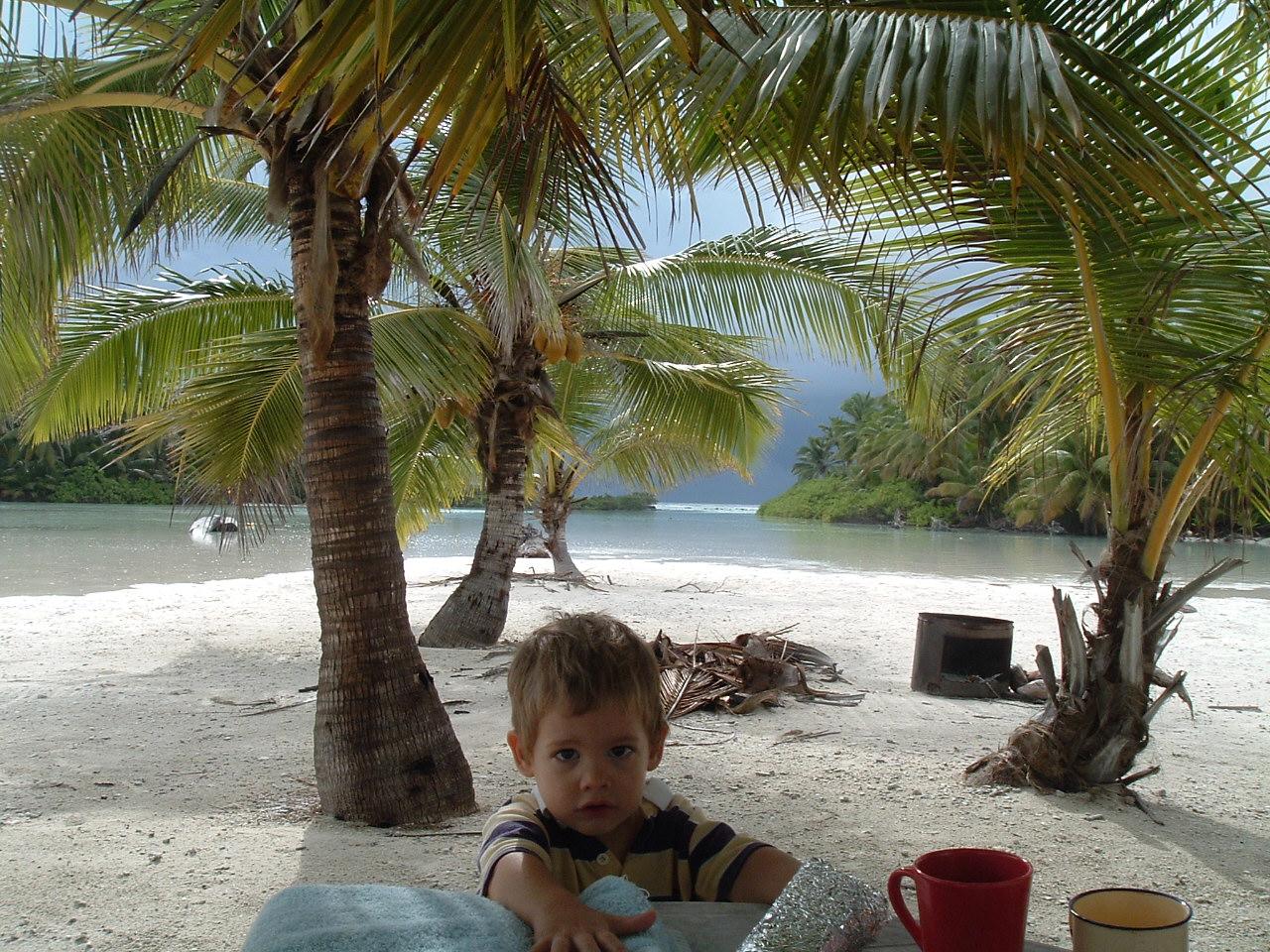
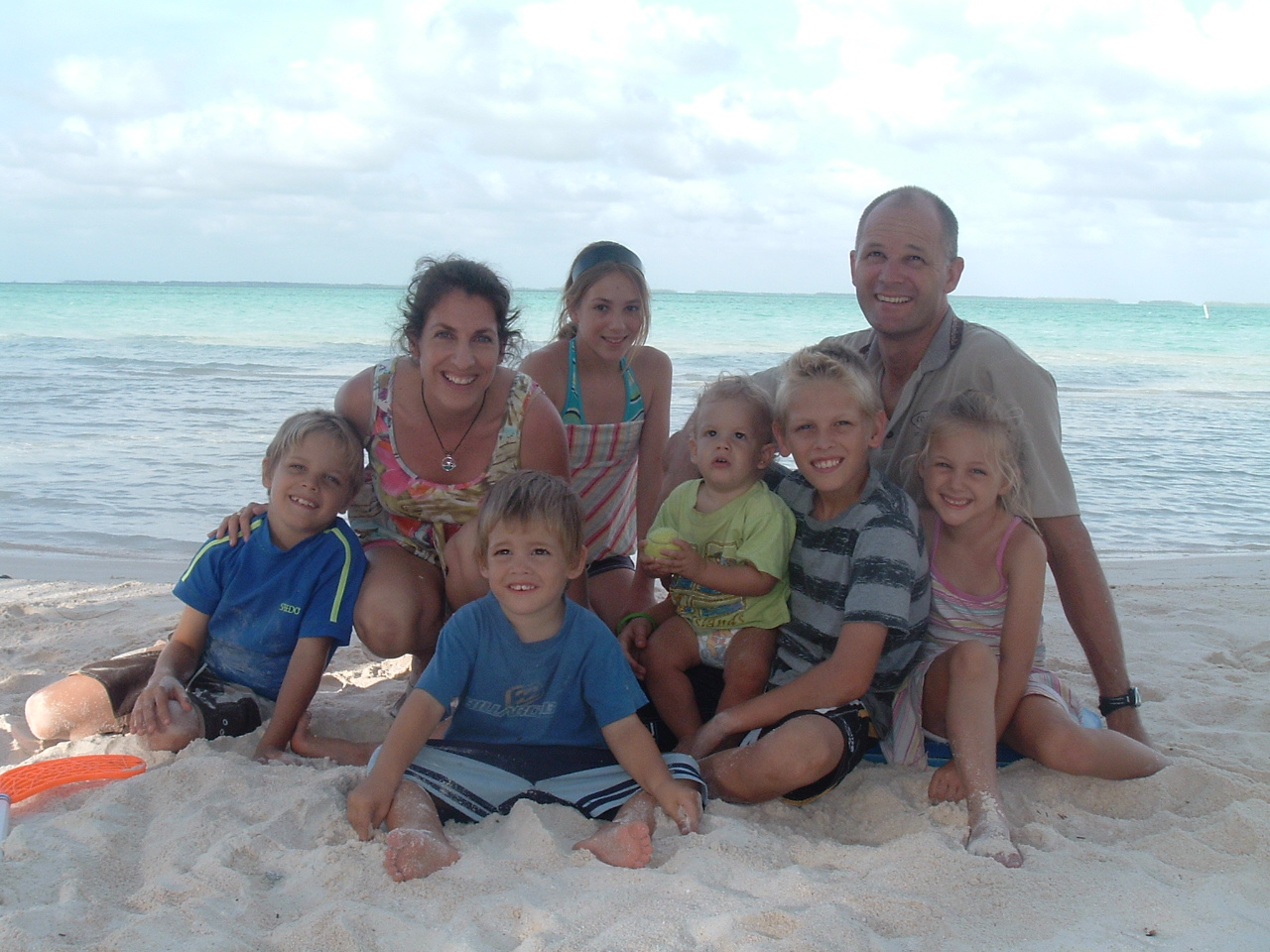
Our experience living on the Cocos Islands was a visual thought many years before it became a reality.
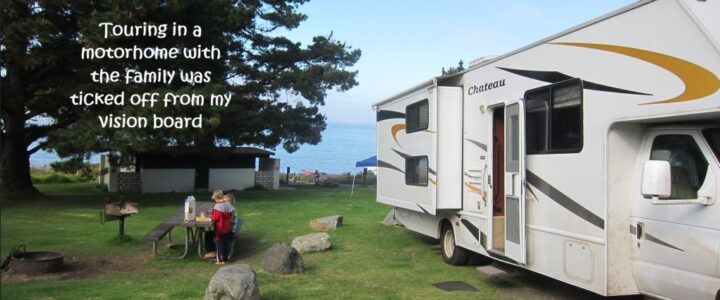
Travelling through Canada and the USA in a motorhome with our family was another example of a visualisation becoming real. You can see more of that adventure on our family travel blog, Driving Us Crazy.
These experiences made us think deeply about vision, focus and how the pictures we hold in our minds can shape the direction of our lives.
Family Vision Board Ideas for Students and Kids
Making a vision board is one way to build a visual picture of what you want.
Cath and I have created dream boards and stowed them away, only to pull them out years later and see that several of the dream pictures could be ticked off as having been achieved.
Kite surfing, a large aquarium, more children, a fishing boat and family adventure were just a few examples.

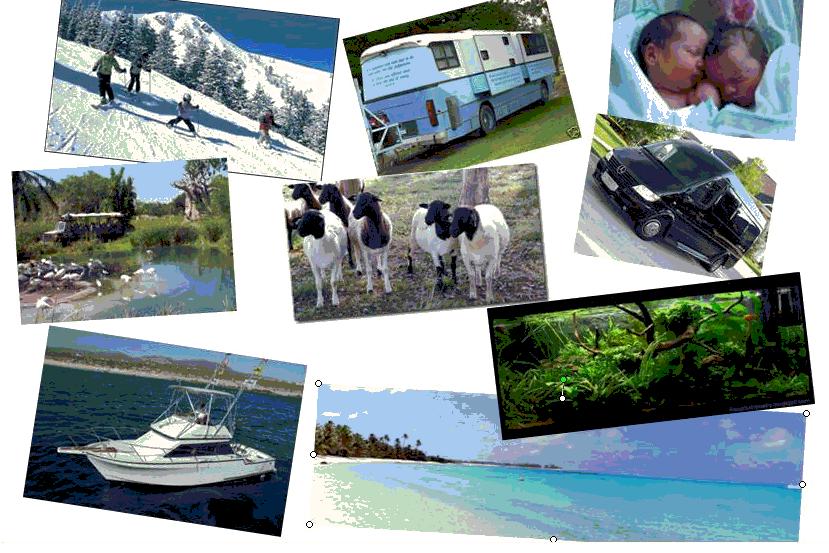
We believe vision boards help with visualising what you want. Because of that, we encourage our kids to make and display dream boards too.
They think it is all great fun, but there is also a powerful lesson underneath it.
When used well, vision board ideas for students can help children begin asking important questions:
- What do I really want?
- What kind of life do I imagine?
- What experiences matter to me?
- What goals feel exciting enough to work towards?
- What small step could I take first?
The Problem with The Secret
The Secret shared a message that many people found inspiring: see it, believe it and allow it to come into your life.
There is certainly something powerful about visualising what you want and building emotional connection to your dreams.
However, when we read discussions about the law of attraction and visualisation, we also see many people feeling frustrated. They meditate, focus, make vision boards and think about what they want, yet they do not always see those things appear in their lives.
That raises an important question for parents, teachers and students.
If vision boards are powerful, why do some dreams still stay stuck on the board?
Vision Board Ideas for Students Need Focus and Intention
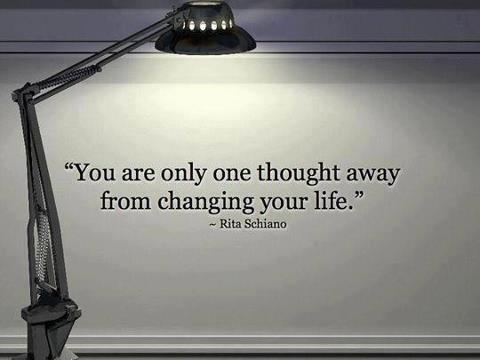
Our Money Mastery mentor explained that there was an important ingredient that The Secret did not emphasise enough.
He explained that while you need to visualise what you want and feel it emotionally, you also need persistent focus, clear intention and aligned action.
Without that focus, it is much harder for a dream to become reality.
He said, “The problem is that people have their focus elsewhere.”
That made sense to us.
In our situation, we were often busy all week at work. When we were home, our attention was taken up with sorting the kids, doing household chores and keeping up with our social life.
Our focus was being drawn away from the things we wanted to achieve, even though we were visualising them.
Often, when people hit a rock-bottom point in life, their focus becomes very sharp. This may happen through a near-death experience, serious illness, a breakup, financial stress or another major life change.
In those moments, the conscious and subconscious mind can suddenly align around a deep inner drive for change.
But we do not need to wait for rock bottom to teach children about focus.
That is where vision board ideas for students can become practical. A vision board should not simply be a collage of wishes. It should become a reminder of what deserves attention, planning and action.
Subconscious Limits, Comfort Zones and Student Goals
The other concept Paul, our Money Mastery mentor, explained was the idea of a “belt” or comfort zone.
Our subconscious mind seems to have an upper and lower limit for many areas of life, including wealth, happiness, relationships, health and success.
Using money as an example, let us say someone’s subconscious is only comfortable earning a certain amount each year. If they suddenly exceed that amount, they may unconsciously self-sabotage and bring themselves back to what feels familiar.
That self-sabotage could show up as overspending, poor decisions, risky behaviour, giving money away too quickly or simply failing to follow through.
Consciously, a person may say they want a much bigger goal. But if their subconscious is not comfortable with that goal, they may keep pulling themselves back into the old familiar zone.
The same principle can apply to relationships, health, weight loss, confidence, happiness, money and many other areas of life.
This is why small steps matter.
One way to work with these limits is to gradually build towards bigger dreams by visualising and intending smaller dreams that lead towards the larger one.
In other words, take smaller steps and celebrate them once they become real. Over time, your subconscious mind can begin to raise its upper limit to meet what your conscious mind is asking for.
Practical Vision Board Ideas for Students
So how can we make this useful for children and students?
A vision board should help students dream, but it should also help them focus. It can become a bridge between imagination and action.
Here are some practical vision board ideas for students:
- Adventure goals: places they would love to visit or experiences they want to have.
- Learning goals: skills they want to build, such as art, coding, sport, writing, music or public speaking.
- Enterprise goals: business ideas, products, markets or money goals they would like to explore.
- Character goals: qualities they want to develop, such as courage, kindness, persistence, confidence or generosity.
- Family goals: shared experiences, trips, projects or adventures the family can work towards together.
- Contribution goals: ways they would like to help others, give, serve or make a difference.
These vision board ideas for students work best when children also identify one action they can take. The image gives the goal a shape, but the action gives the goal movement.
Vision Board Ideas for Students at Home
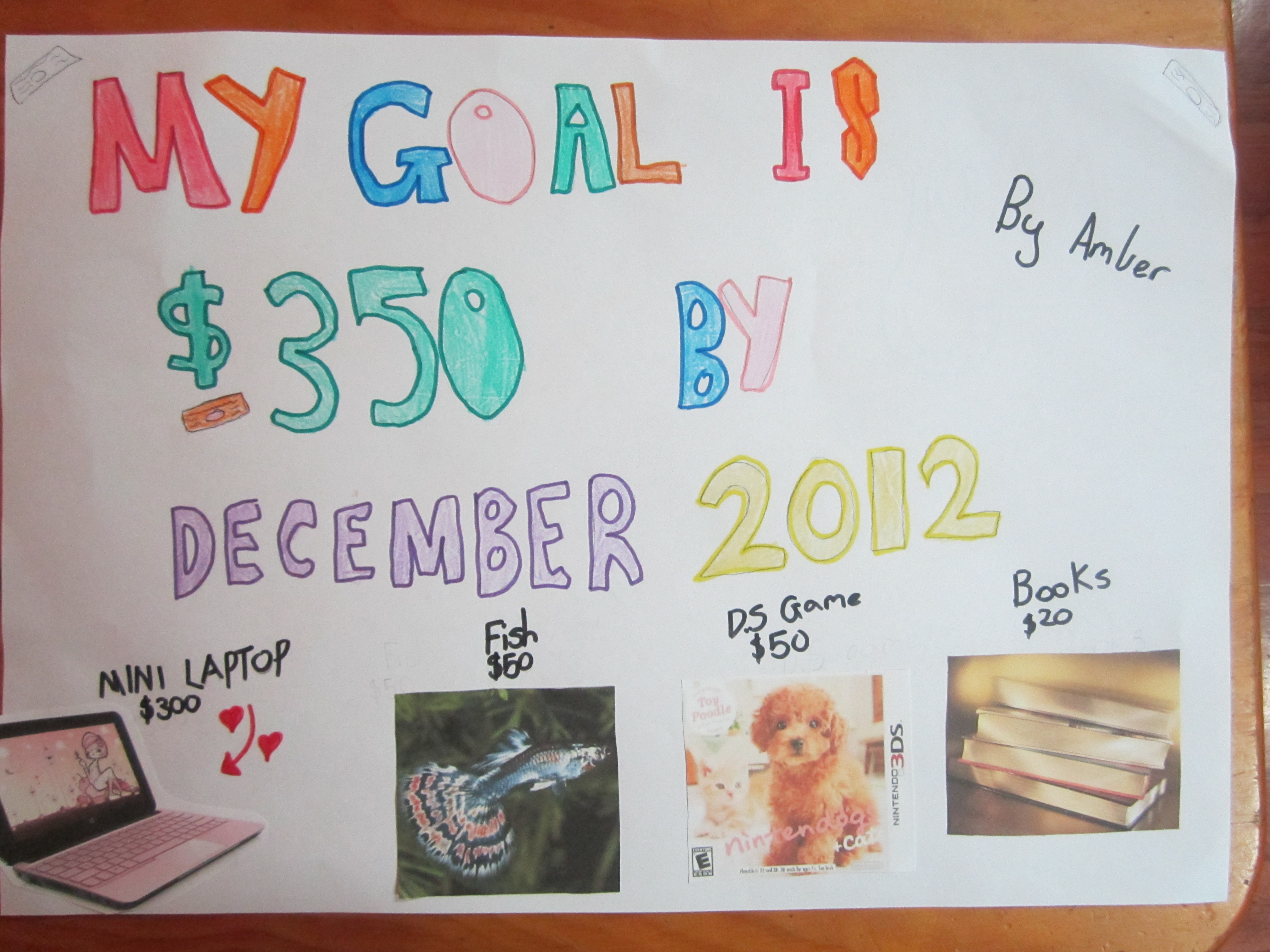
It took up to twenty years for some of my dreams to come about, so do not allow another moment to pass you or your children by.
Encourage your kids to make vision boards. Teach them how to visualise and feel what they want. Help them establish a simple plan and then, most importantly, help them make it their focus.
A student vision board works best when it includes:
- a clear picture of the goal,
- a reason why the goal matters,
- one small action they can take now,
- a reminder to keep going,
- and a way to celebrate progress.
The dream matters. The picture matters. The feeling matters.
But the focus and action matter too.
Key Takeaway: Vision Board Ideas for Students Need Action
Key takeaway: vision board ideas for students are most powerful when they move beyond dreaming. A vision board can help children see what they want, but students also need focus, intention, small steps and action to bring their goals closer to reality.
Where to Next?
- Visit Driving Us Crazy to see our family motorhome adventure through the USA
- See our kids showing their vision boards and lining up for a goal
- Read How Bad Do You Want It? A lesson on focus and motivation
- Read about limiting beliefs in children and the “I am enough” message
- Explore more Money Lessons for Kids
What would your child put on a vision board today, and what is one small action they could take towards it this week?