Enterprising Dinner Table Conversations

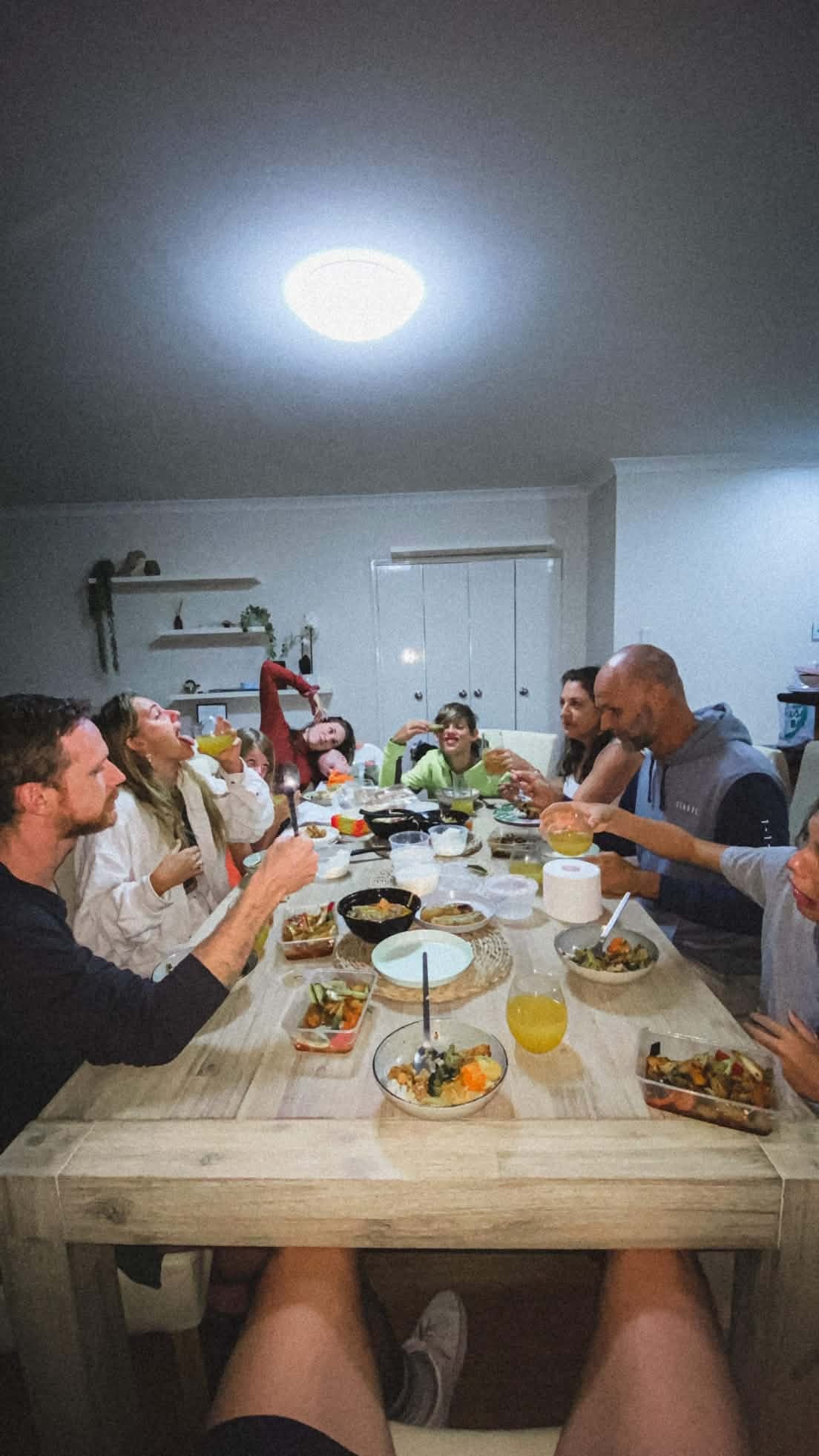
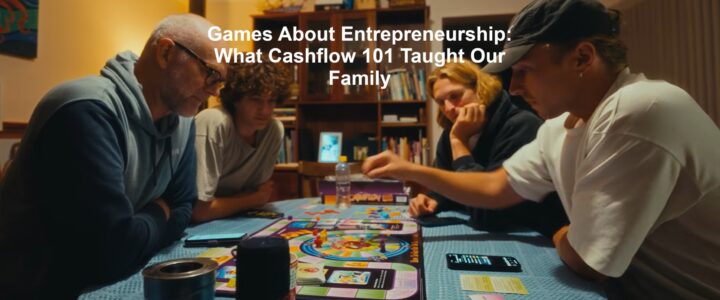
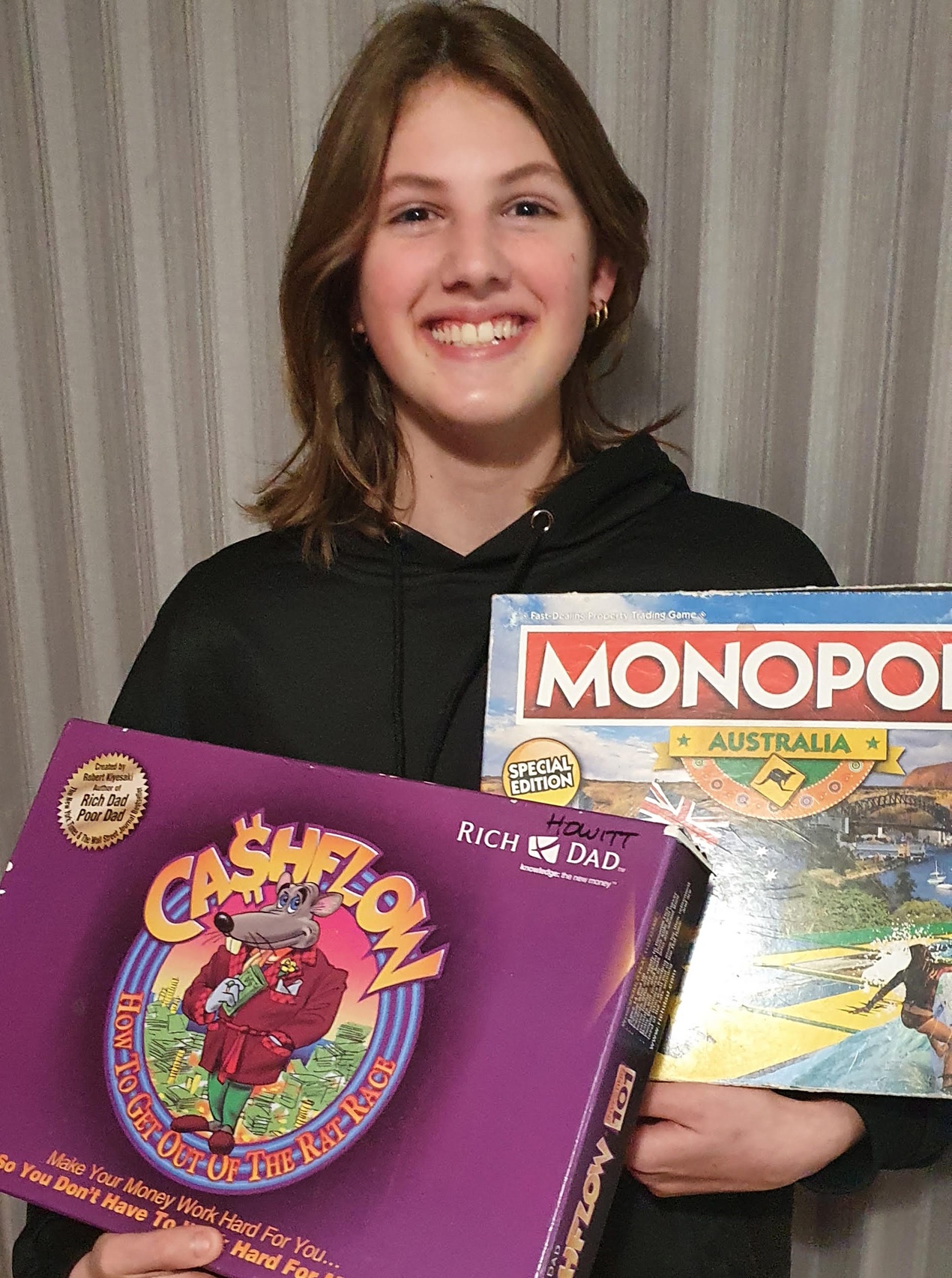
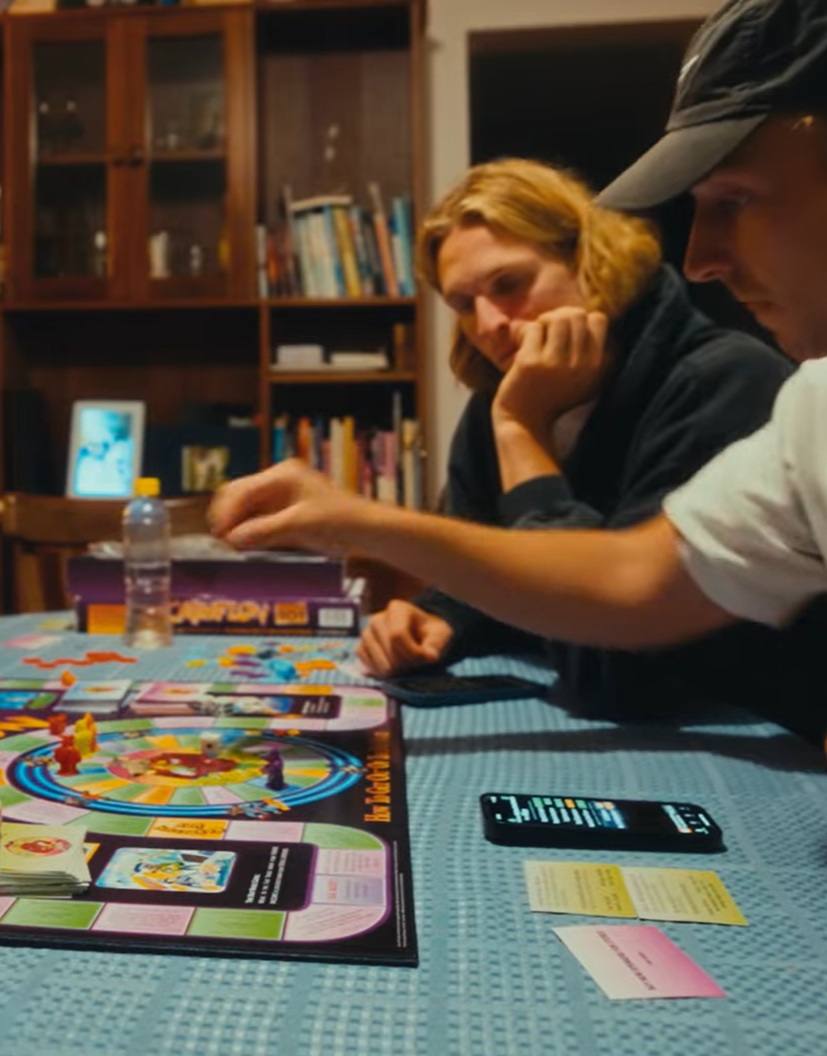
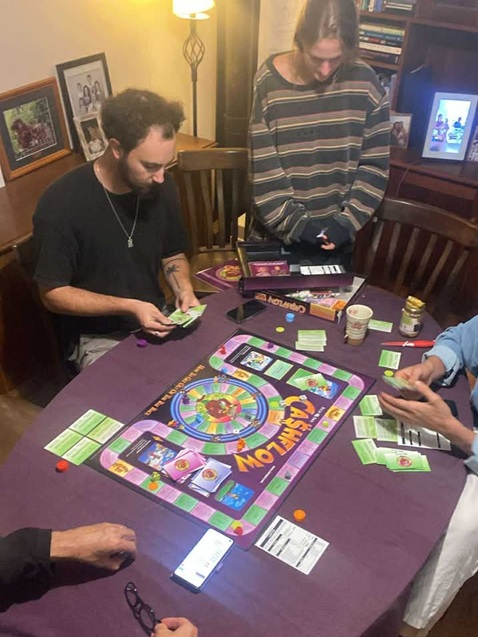
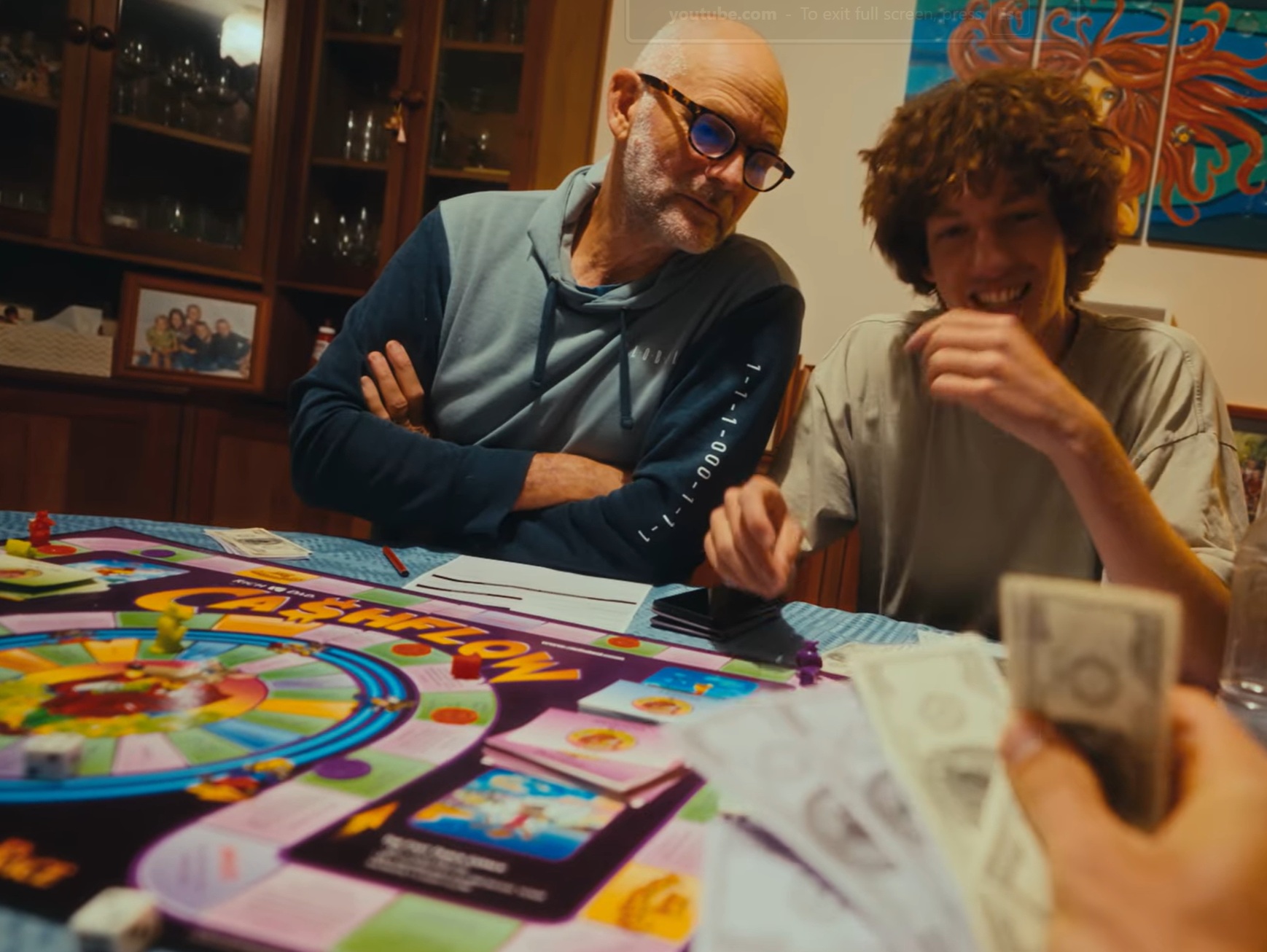
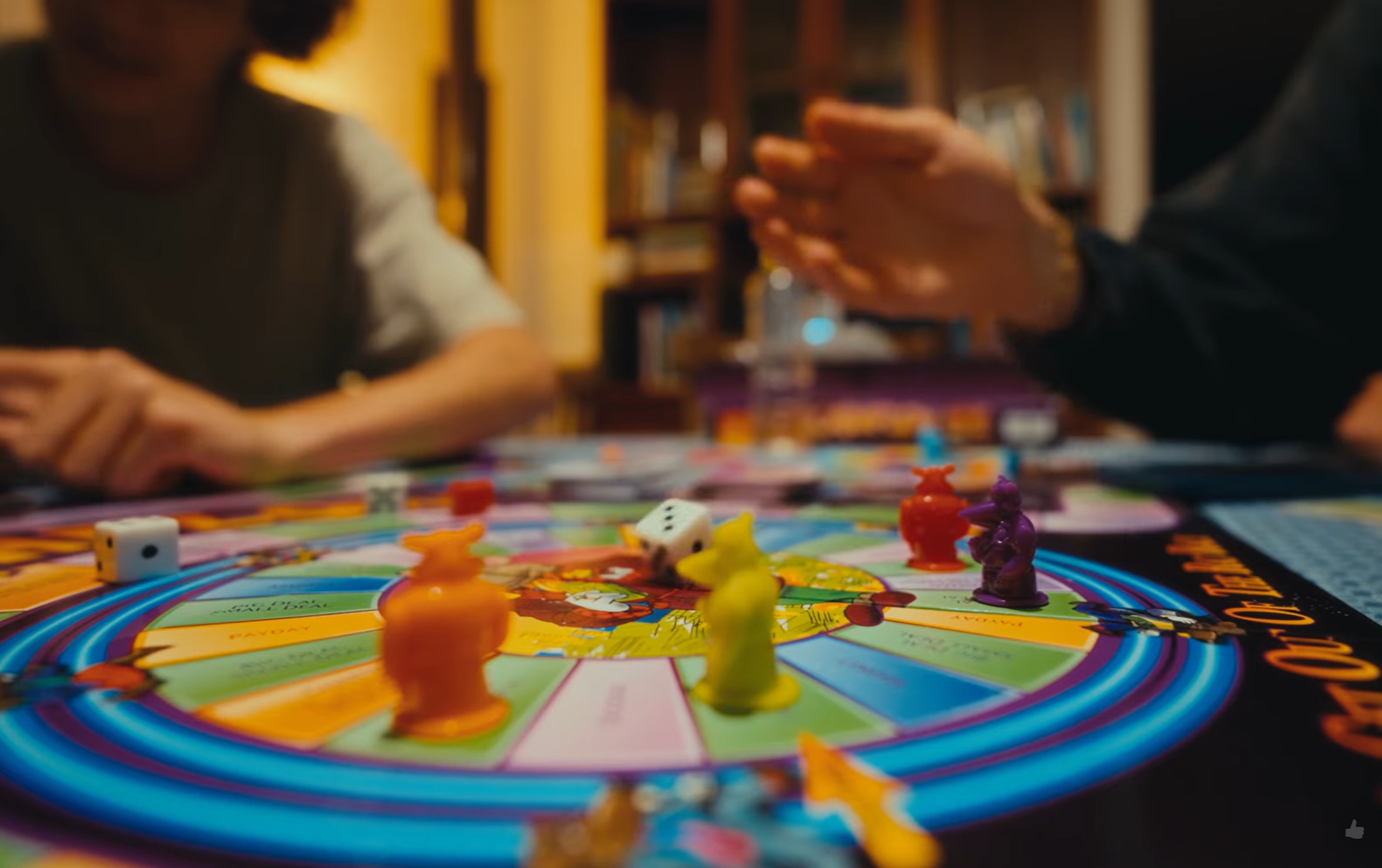
What do you think the Howitt’s talk about when around the dinner table?

It always begins with each member of the family sharing a gratitude, then usually the events of the day are told and achievements celebrated; however, what quite often happens next is that topics of business, enterprise, finance and investing govern the conversation.

Flynn Howitt taking his photography to another level. Check out his facebook blog and see what he can do!
Film making and photography have been the key to Flynn’s success in building his social media following

Lately, the topics of interest have been Instagram money making strategies, crypto assets and eCommerce.

Let’s look at these individually and look at how these present opportunities for kids to be entrepreneurial…

Instagram

Our older children, Kaitlin (now 24), Jai (now 22), Flynn (now 20) and Amber (now 18) all discovered social media when they were in their mid-teens. It started with facebook, then Instagram and now Tic Toc and Snap Chat. They discovered how to grow a true following of people by using regular posts of quality content about their lives. It helped living on a paradise Tropical Island atoll in the middle of the Indian Ocean- photos and videos here always look fabulous!

Kaitlin Howitt co-creating inspirational workshops with like minded people. Enterprising teen to entrepreneur.
Creating workshops that inspire has become Kaitlin passion.

As their following grew, so did their opportunities for enterprise. It began with something called ‘shoutouts’. Here other people/companies would pay cash for the enterprising kids to mention them in a post. This helps these people/companies grow their followers or promote their wares… and my kids were happy for the cash!

Next came real products. Companies would send them clothing, watches, surf gear and jewellery to wear and share on their Instagram accounts. The kids would get to keep the gear!

Following that, companies would not only send the gear, but also pay for the promotions. My enterprising teens were stoked with these opportunities!

As time went by and their social media followings grew and grew and their creative juices began to flow, real, much larger opportunities presented themselves.

Humble beginnings for Jai where he learnt to navigate the world of entrepreneurialism from his shared bedroom.
Jai building his enterprise from his bedroom a few years ago.
Jai Howitt's new warehouse where he runs his media company- Brand-Boostr. Jai's journey from enterprise for kids to today has been exceptional!
Handing over the keys to his new warehouse where he creates media content for international clients.

Kaitlin, along with Tully her husband, have built multiple streams of income using social media. Businesses that include coaching, MLM, and online courses. We’ll share more about this in a later blog post.

It’s taken Jai a few years, but now he has a thriving business where he creates content for international clients for their social media marketing. He uses his social influence through Instagram, Tic Toc and Facebook to generate leads for his very successful enterprise.

Crypto

You would have all heard about Bitcoin, but I’d say not many of people fully understand what it actually is. In a nutshell, Bitcoin is a block chain digital software developed in 2008 to be a currency. It is limited in supply, therefore very rare like gold. Other than its rarity, people like it for many reasons:

  • Decentralised, thus not controlled by one bank (centralised).
  • Cheap and quick to buy, sell and send.
  • Easy to store and secure.
  • A hedge against other asset classes.
  • Block chain technology is at its infancy and likely to become huge.
  • It is borderless. Can be traded and used in all countries.
  • Used as a currency.

There are thousands of different crypto currencies, although Bitcoin is by far the largest by market cap. Many of the crypto coins are based on block chain digital technologies (programs) that have real life applications. They are part of real bricks and mortar businesses. For example, Power Ledger is a renewable energy technology allowing people who have solar panels on their homes to be able to sell their excess energy to other people for a premium, rather than selling back to the to the Energy company for very pittance. People can buy the Power Ledger Coin. If the company continues to grow and expand and make profits, it will push the value of the coin up.

Block chain technology (crypto) is very new, and people are only just beginning to realise its potential. The infrastructure to utilise the technology is still being put into place. As mainstream companies, banks, fund managers and investors see the real benefits of block chain technology and recognise crypto currencies as being a strong asset class, the value of these rare assets will continue to rise.

The Howitt’s have investigated several crypto coins and have bought into them, with the intention to hold them for the long term. We believe it is a strong hedge against other asset classes, such as the stock market. We also believe crypto to have tremendous potential. 

eCommerce

As a family, we are all studying an eCommerce program called Web Dev. We are learning to build and monetise websites. We are also learning to identify value in websites for sale, buy them and then either renovate and flip them, or hold them for cash flow.

Websites can be monetised in many ways. The more common ways are through affiliating with companies selling real products and services (eg Amazon) or with advertising (AdSense). However; there are many other ways- like creating directory sites or selling digital products.

Building a website yourself from scratch costs very little, so anybody can afford to do so. Perfect for enterprising kids or teens. Buying readymade websites, already making a consistent monthly income can be an excellent investment, arguably better than any other asset class available today. For example, website that makes a $1000 a month can be bought for about $20 000. After costs, this asset will return in excess of 40% p/a. In addition, if you have the skills to improve the website and its income, then the asset will be worth more. Now, where else can you get a 40%+ return on an investment?

Currently, the younger Howitt kids are building websites. Amber has hers up and running. Go check it out www.sustainableperiodproducts.com. Chayse recently bought www.babyclient.com , which he is currently renovating. The other kids’ sites are a work in progress. We’ll keep you posted!

Our dinner table conversations may be a little different to the average family. We gain inspiration from one another through these conversations and through our mentors who support us on our entrepreneurial journeys. We are building skills, gaining knowledge, creating assets and most of all strengthening a mindset for enterprise.

Kids Biz Program- (by Amber)

Kids business ideas through a kerb painting program for children

Kids business ideas become much more powerful when children are given the chance to take action in the real world. This Kids Biz Program challenge gave our family a practical way to learn about entrepreneurship, confidence, problem-solving and making money through effort and initiative.

What started as a simple $20 challenge turned into a kerb painting business, more than 60 presold jobs, and a real-life lesson in enterprise.

Kids business ideas in action with Flynn and Amber kerb painting
Flynn and Amber kerb painting as part of the Kids Biz Program.

Kids Business Ideas in Action

We are currently involved in a Kids Biz Program. The program teaches young people, and their parents, about the traits of successful entrepreneurs. It also helps children understand the practical methods and the mindset needed to become more successful, more confident and more open to new ideas.

This is exactly the kind of real-world learning we love at Enterprise for Kids. Children learn so much when they are given the chance to test ideas, solve problems, speak to people, handle money and take responsibility for a project.

A wise man once said:

“The most successful people in life are the ones who ask questions. They’re always learning. They are always growing. They are always pushing.”

This quote from Robert Kiyosaki, author of Rich Dad Poor Dad, best sums up what my family and I have been doing through the Kids Biz Program. You can learn more about his work through Rich Dad.

Kids Business Ideas Monthly Challenge

Every month, the program sets a challenge that encourages us to take the skills we have learnt and apply them to real-life situations.

In August, our challenge was to take $20 and create a business that would earn a profit. To win the challenge, we had to make the most money from our $20.

This made the challenge much more than a classroom activity. It became a real test of creativity, planning, teamwork and courage.

Our Kerb Painting Kids Business Idea

Kit painting a kerb number as part of a kids business idea
Kit putting the final touches on a kerb number.
Naturally, my family was slow to get started. We kept circulating ideas but not actually taking action. Eventually, we came up with one idea that stuck — and from there, it exploded.

Our idea was to paint house numbers on kerbs. This would help visitors, family members and even emergency services find homes more easily.

It was a simple idea, but that is often what makes the best kids business ideas work. The business solved a real problem, was affordable to start, and could be explained clearly to customers.

From a $20 Challenge to Real Profit

We did our fair share of research and planning, and then we took action.

In just five days, we presold over 60 kerb paintings, giving us a profit of about $1000.

Amazingly, we won the challenge for the month. We then spent September painting kerbs and completing the jobs we had sold.

It has been an awesome experience so far, and I swear my artistic ability has improved!

What Kids Can Learn from Business Ideas Like This

This kerb painting challenge taught us much more than how to make money. It helped us learn real enterprise skills, including:

  • coming up with a practical business idea
  • starting with a small amount of money
  • researching and planning before taking action
  • talking to customers
  • preselling a service
  • working as a team
  • following through and completing the job
  • building confidence through real experience

These are the kinds of lessons that help children grow into capable, resourceful and confident young people.

Why Real Kids Business Ideas Matter

When children are given the chance to run small businesses, they learn in a way that feels exciting and meaningful. They are not just reading about entrepreneurship — they are experiencing it.

Also, they learn that ideas need action. They learn that money is connected to service, value and effort. They learn that confidence grows when they step outside their comfort zone and try something real.

This is why family enterprise stories are such an important part of our website. They show how ordinary moments can become powerful lessons in initiative, responsibility and resilience.

You may also enjoy reading Honey Pot of Gold, another real family enterprise story about Flynn’s honey business, or Financial Education for Kids: Teaching Assets and Liabilities, which explores how children can learn about money through real-life experience.

More Kids Biz Program Adventures Coming Soon

I’m really excited to share our Kids Biz Program September challenge with you. I’ll tell you all about that in my next post.

We also invite you to like our Enterprise for Kids Facebook page.

Key takeaway: Kids business ideas do not need to be complicated. With a small amount of money, a practical idea and the courage to take action, children can learn powerful lessons about entrepreneurship, confidence and real-world responsibility.

Where to Next?

If you enjoyed this family enterprise story, you may also like:

The Enterprise for Kids Team is Back!!

enterprise for kids teamYes, the Enterprise for Kids Team is still here!

Hello Friends and Followers,

Would you believe it’s been nearly four years from our last post!!

Our “little” kids are not so little anymore. Kaitlin and Jai are 20 and 18 and have left school. Flynn and Amber are 16 and 14 and are studying at High School and our three babies- Kit, Chayse and Akaisha are 10, 8 and 5.

The Howitt Clan household is intact and would you believe… still on their Entrepreneurial journey!

There is so much to catch up on with our family’s activities. Too much for this blog post!

We will, over time, visit each of our children and look at what they have been doing and what they have learnt. We’ll look at their successes and we’ll share the tough lessons. We’re also super excited to share with you our latest enterprising projects!

So stay tuned for the next chapter in the Howitt Clan Entrepreneurial journey.

Check out little Amber from 5 years ago when she embarked on her Money Bunny Enterprising project!

Kids Mindset for Success: Planning and Goal Setting

Young kids in suits showing a determined kids mindset for success

Kids mindset for success begins with helping children turn their dreams, ideas and intentions into a clear plan they can actually follow.

During my career-path conversation with my son Jai, he was able to visualise himself, his surroundings and the companions he wanted in his adult future. The final step was to solidify the pathway that would take him to his version of a successful life: a plan, Natalie Cook’s fifth P.

Natalie Cook with Cathy showing a kids mindset for success
Natalie Cook stood on a chair for this photo!

Kids Mindset for Success Starts With a Plan

It is always a good idea to sit down and plot out short-term and long-term goals, especially for entrepreneurial kids who are cultivating a kids mindset for success.

On an adult level, well-made plans should be a natural component of what you perceive as your life’s purpose — your “Why” in life. Of course, children who are entrepreneurial may not have solidified their life purpose to this extent yet. But they can still begin learning how to set meaningful goals, create intentions and take practical steps forward.

A plan helps children move from vague wishing into purposeful action.

Helping Kids Set Clear Intentions

Sean Rasmussen, our internet marketing mentor, taught me a trick that can be successful with kids as well.

Write an intention on a small piece of paper, but do not use the future tense.

For instance, an adult might write:

“I have attracted a healthy, motivated business person to my business this month.”

That is much stronger than writing:

“I will attract…”

A child might write:

“I have kicked two goals at this Saturday’s soccer match.”

Place the written intention under your pillow, in your wallet, or somewhere you will view it regularly. The idea is to set a specific and realistic goal, then see it, believe it and feel it.

Plan for kids mindset for success

People who practise this mindset for success technique can go on to set bigger and grander intentions over time.

For children, this is not about pressure. It is about learning to direct their thoughts, language and energy toward something positive and achievable.

Having a Defined Goal Builds a Kids Mindset for Success

My friend Michael Clouse says that not having a clearly defined plan is like an archer who aims at a target with a blindfold on.

There is no chance of hitting the bullseye if you are unable to see it.

That image is a wonderful one for children. If they cannot see what they are aiming for, how can they know which direction to move? A clearly defined goal helps children understand what they are working toward and why their daily actions matter.

This is especially important for entrepreneurial kids, because business ideas can easily remain just ideas unless they are supported by a plan.

Vision Boards and a Kids Mindset for Success

Another technique is visualising goals using a vision board.

Select the experiences, goals and things that you would like to have in your life. Then make a poster board using images, words and graphics. Place the vision board somewhere you will see it daily.

The important part is not just making the board. The important part is seeing it often, visualising the items on the board, and imagining them as if they were real and already present in your life.

Child facing fears and building a mindset for success
Facing your fears! Walking on broken glass!

A vision board can help children begin to connect their imagination with action. It gives them a visual reminder of what they care about and where they are heading.

For some kids, this might include sport, travel, family, creativity, business ideas, friendships, learning goals or ways they want to contribute to the world.

Positive Affirmations Lead to a Success Mindset in Kids

Speaking positive affirmations aloud two or three times a day is another way of setting your intention and belief. Again, these should be in the present tense.

Natalie Cook likes to declare her intentions and plans before a public audience, making herself accountable to a lot of people for achieving her aims. Her Olympic journey is a strong example of discipline, planning and follow-through. You can read more about her work and speaking through Natalie Cook’s official website.

So be bold.

Change your way of thinking.

Get rid of the negatives.

Affirm the positives.

Make sure that your plans are well aligned with your life vision. Set grand goals and follow your plan. This is a kids mindset for success.

Natalie Cook’s Five Ps Series

This article is Part 4 in our series on Natalie Cook’s Five Ps for helping entrepreneurial kids and enterprising teens develop purpose, people, passion, perseverance, planning and a mindset for success.

Where to Next?

How do you help your children set goals and follow a plan? Leave a comment and share one strategy that has helped build a mindset for success in your family.

Teaching Perseverance to Kids: Natalie Cook’s Five Ps

Cathy Howitt with Natalie Cook in a lesson about teaching perseverance to kids

Teaching perseverance to kids is one of the most important parts of helping them develop a mindset for success, because every child will face setbacks, rejection and moments when things feel too hard.

A baby learns to walk by falling over many times. An entrepreneur learns to succeed after stumbling along the way. In this third part of Natalie Cook’s Five Ps series, we look at her fourth P: Perseverance — perseverance on our children’s part, and perseverance on ours as parents too.

Kids working together on a computer while learning perseverance and problem solving
Perseverance grows when children work through challenges, solve problems together and keep going when learning gets difficult.

Teaching Perseverance to Kids Through Real-Life Setbacks

One of the best ways to teach children perseverance is to let them see adults handle setbacks in a healthy way.

For example, Cathy and I have learned that in the business of referring people to an opportunity, many people will simply not be interested. With enterprising teens watching, how do parents set an example to persevere when people say “No”?

The mindset for success is to celebrate the “No.”

After enough “No” responses, a “Yes” will inevitably follow. One of my mentors, David Wood, says to do the Happy Dance whenever you get a “No,” because the rejection has only moved you one step closer to the “Yes.”

Perseverance for Kids Means Learning to Handle Rejection

Your kids, whether entrepreneurial or not, are going to like seeing that Happy Dance.

It becomes a practical, memorable way to help seal the behavioural pattern of success in their mindsets. Being able to overcome rejection in business, rejection from friends and even rejection from family is paramount when teaching perseverance to kids.

The lesson is simple but powerful: rejection is not the end of the road. It is part of the road.

For entrepreneurial kids and enterprising teens, this matters. A child who can hear “No” and still keep going has a much stronger foundation than a child who believes every “No” means they have failed.

Changing the Language Children Use About Perseverance

Our vocabulary also plays a huge part in our ability to persevere.

In our family, “Can’t” is a swear word and is not allowed to be used at any time. “Can” is encouraged.

Many people, including kids, are quick to give up when the going gets tough. They say, “I can’t,” rather than “I can.” The little kids in my family actually believe “can’t” is a swear word, right up there with the other big four-letter words!

This might sound funny, but it is also a powerful family rule.

When children repeatedly say “I can’t,” they begin training themselves to stop. When they learn to say “I can try,” “I can learn,” or “I can have another go,” they begin building the internal language of perseverance.

Teaching Perseverance to Kids With “That Was Easy”

Another phrase to abandon is, “It’s too hard.”

Natalie Cook showed us a little trick she used to change her perception of what is hard. She bought a toy button that calls out, “That was easy!” when you press it. Natalie would strap this toy button to her volleyball net pole.

Whenever she did something very well that was also very difficult, she would run up to press the button:

“That was easy!”

Try it for yourself. Press the button below.

Being the best in the world at your sport certainly has its challenges, and my kids would love to try out one of those buttons.

But whether or not you have the button, the point is not to keep telling yourself, “That was hard.”

A child’s brain listens carefully to repeated language. If the phrase is always “too hard,” the child begins to expect defeat. If the phrase becomes “I can try,” “I can learn,” or even “that was easy,” the child begins to rehearse a different identity.

Natalie Cook’s Example of Perseverance

Natalie Cook’s Olympic journey is a strong example of perseverance in action. Her official Olympic profile describes her as a five-time Olympian and Olympic gold and bronze medallist in beach volleyball, which makes her a powerful role model when teaching children about commitment, setbacks and long-term success. Read more about Natalie Cook’s Olympic journey here.

Children often see the medal, the success or the final moment of victory.

What they do not always see are the early mornings, the missed shots, the injuries, the disappointments, the training sessions and the moments when an athlete has to choose whether to keep going.

That is why perseverance is such an important lesson for kids. It teaches them that success is not just about talent. It is also about what they do after things become difficult.

Why Perseverance Belongs in the Mindset for Success

These tactics — celebrating the “No,” changing our language, and reframing hard things as achievable — can all increase the level of perseverance in kids and help keep them on a successful track.

But perseverance becomes easier when children also have direction.

That is where the next P comes in: Plan.

A plan gives perseverance somewhere to go. It helps children understand the next step, not just the final dream. Without a plan, perseverance can feel like pushing in the dark. With a plan, children can see that each effort is moving them forward.

Make sure you have a look at the short video above that we made of Natalie Cook giving a special message to our kids. Can you spot the blooper?

Natalie Cook’s Five Ps Series

This article is Part 3 in our series on Natalie Cook’s Five Ps for helping entrepreneurial kids and enterprising teens develop purpose, people, passion, perseverance, planning and a mindset for success.

Where to Next?

How do you help your children persevere when things get tough? Leave us a comment and share one strategy that has worked in your family.

Entrepreneurship Activities for Students: Amber’s Green SuperCamp Reflection

entrepreneurship activities for students Amber leading run at Green SuperCamp

Entrepreneurship activities for students do not always look like business plans and market stalls. Sometimes they look like leadership camps, team challenges, goal setting, confidence building and learning how to step out of your comfort zone.

Amber’s Green SuperCamp reflection shows how real-world learning experiences can help children grow in confidence, courage, communication and initiative.

entrepreneurship activities for students Amber at Green SuperCamp with new friends
Amber and new friends.

Entrepreneurship Activities for Students at Green SuperCamp

For our readers who were expecting Part 3 to our “Teaching Your Kids To Achieve Success” series of articles, I’d like to let you know that will be up very soon and it will be well worth the read.

Flynn and Amber Howitt have just returned from a Young Leaders Camp in Bali. As it is so fresh and exciting, I thought we would interrupt our five-part series and share some snippets of Amber’s experience whilst on camp.

Before I hand you over to Amber, I would like to give our readers a little background about Green SuperCamp, which was held at Green School Bali.

In 2012, three of our children — Kaitlin, Jai and Flynn — attended the camp and returned full of experience and wisdom. The camp is designed to create young leaders who care for our future world.

It does this by building their confidence, encouraging them to think big, and giving them the skills to learn, interact and step out of their comfort zones. In this way, it becomes one of those powerful entrepreneurship activities for students that teaches far more than a normal classroom lesson.

Leadership and learning activities:

student leadership activity Amber participating in a team performance
Amber participating in a team performance.

entrepreneurship activities for students Flynn learning trust through teamwork
Flynn learning to trust.

This year Amber was old enough to go along too. She was very excited because she had heard all the awesome stories and learning from her siblings’ camp experiences the year before.

Also, a bunch of friends from Western Australia were coming along as well — Maddi Barrett, Macy Hobson, Georgia Dewar and Lachlan McRoberts.

To learn more about the philosophy of Green School Bali, you can read our earlier article.

Amber Howitt’s Green SuperCamp Reflection

So enough from me… here is Amber Howitt’s Green SuperCamp reflection.

Green SuperCamp, for me, was an amazing experience! Everyone there is treated evenly and kindly. No one is excluded or mistreated, so everyone is happy.

Your phones and valuables are given in, but you can reunite with your valuables almost every night to contact your parents.

Learning through real activities:

student learning activity grinding grain at Green SuperCamp
Grinding grain.

entrepreneurship activities for students teamwork at Green SuperCamp
Flynn and his SuperCamp team.

The Green SuperCamp itself is built mainly out of bamboo. It is nurtured and cared for by the people within it.

They use water from their lake and purify it. People from the world outside Green School can come and collect the water for free and use it in their homes.

Green School is meant so people around the community can be involved with the school. They make their own power using solar energy and grow their own food in food gardens.

Goal Setting as Entrepreneurship Activities for Students

The camp has inspired me to do more with my life, rather than just sit around and be… normal.

It has inspired me to take challenges, adventures and think of the things I could be doing. Writing books and travelling around the world are two of my crazy ideas. Those things might be a little hard for someone at the age of eleven though, but I can try to work up to that goal.

The steps for goal making are:

  • Design it
  • Outline it
  • In your face — tackle barriers
  • Take action!

Because of this, goal setting is one of the most practical entrepreneurship activities for students. It helps children imagine a future, break it into steps and take responsibility for moving forward.

Facing challenges and building trust:

entrepreneurship activities for students high ropes course facing fears
High ropes course. Facing fears!

team trust activity for students Flynn floating on hands
Flynn floating on hands.

Learning Strategies and Student Confidence

We were taught Quantum Reading and Writing. I improved my reading speed with the same comprehension by over 100%.

I concentrated by using the Alpha State. Alpha State is a technique to relax and concentrate better.

The steps to Alpha State are:

  • Sit up
  • Breathe in and out
  • Close eyes
  • Think of a peaceful place
  • Roll eyes up and down
  • Open eyes
  • Concentrate

These strategies are useful because they help students understand how they learn. For entrepreneurial kids, focus, confidence and self-awareness are just as important as having a business idea.

Camp life and friendships:

student life skills activity preparing home grown food at camp
Maddi preparing the home grown food.

students building friendships at Green SuperCamp
Macy and Georgia

Communication as Entrepreneurship Activities for Students

The friendships you can make at Green SuperCamp are really special. I made friends with both team leaders and kids from all over the world.

It is really easy to do so because everyone wants to make friends. Sometimes your relationships can last forever.

Green SuperCamp teaches you how to have the courage to become friends. No one is alone at Green School or Green SuperCamp.

I also learnt techniques to help me learn. These help me improve my relationship with my teachers. We call this “SLANT”.

Here are the “Tips for Learning” or “SLANT”:

  • Sit up
  • Lean forward
  • Ask questions
  • Nod your head
  • Talk to your teacher

Communication skills are an important part of entrepreneurship activities for students. Students need to ask questions, listen well, speak clearly and build trust with people around them.

Thanking and Apologising

students saying goodbye to leaders after Green SuperCamp
Flynn saying goodbye to new friends!

We also learnt the importance of thanking people and apologising. We were taught how to do this properly.

We call the steps to thanking “OTFD” or “Open The Front Door”.

Observation, Think, Feel, Desire

We call the steps to apologise “AAMR”, pronounced “A Mr!”

Acknowledge, Apologise, Make it Right, Recommit

Eight Keys of Success

Lastly, we were taught the “Eight Keys of Success”. These are the keys that keep you on course for success.

For each of these keys, we learn a different hand movement. This helps us remember them.

Here they are:

  1. Integrity
  2. Failure Leads to Success
  3. Speak With Good Purpose
  4. This Is It
  5. Commitment
  6. Ownership
  7. Flexibility
  8. Balance

Altogether, these keys are another example of entrepreneurship activities for students because they build the habits children need for leadership, responsibility and future enterprise.

Why These Experiences Matter

If you read this and think, “Nah… my child wouldn’t want to go to that camp!” think again.

Any child, from any place, no matter what, will want to go to GreenSuperCamp.

Thank you to my parents and camp sponsors for making it possible for me to attend Green SuperCamp. Thank you to my friends and new friends that supported me on camp.

Also, thank you to all the team leaders and facilitators who taught me all the tools I need for life. Lastly, thank you my team. GO TEAM H!

Thanks Amber for your reflection.

Jai, Kaitlin and Lachlan are currently on the Senior Green SuperCamp. You can also read Jai’s Green SuperCamp experience and Flynn’s Green SuperCamp reflection.

Kaitlin also shared why she wanted to attend the Green SuperCamp in Why Our Kids Wanted to Attend the Green SuperCamp.

Our “Teaching Your Kids To Achieve Success” series will continue with Part 3. You can also read Part 1 and Part 2.

Key takeaway: Entrepreneurship activities for students can include leadership camps, goal setting, teamwork, confidence building, communication skills and real-world challenges. Amber’s Green SuperCamp reflection shows how these experiences help children grow.

Where to Next?

If you enjoyed Amber’s Green SuperCamp reflection, you may also like:

Amber would love to hear your comments. Be sure to ask her some questions below.