Mindset Shift: Lessons from David Wood’s Break Through Training

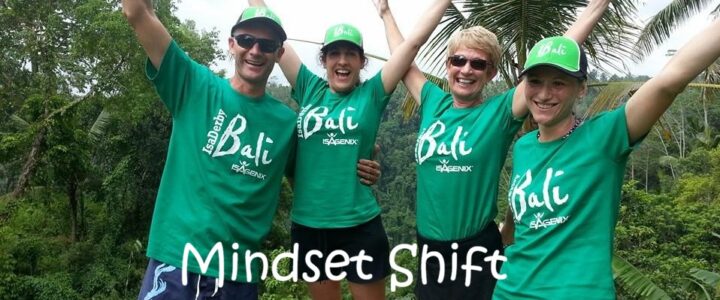
Cathy and Trevor with friends at leadership training challenging comfort zones and mindset

Mindset shift was the biggest lesson we took from David Wood’s Break Through Training. It challenged us to face fear, take responsibility, change our environment and step beyond what felt comfortable.

“`

This article is not just about a training weekend. It is about the kind of thinking we want our children to grow up around: courage, connection, responsibility, positive reference groups and the belief that who you were does not have to be who you become.

“`

David Wood teaching mindset shift lessons through Break Through Training
David Wood’s Break Through Training challenged us to face fear, take responsibility and shift our mindset.

Mindset Shift: Lessons from David Wood’s Break Through Training

We were spellbound by David Wood’s energy, inspiration and mastery when he presented his Break Through Training Program to us. His message was confronting, exciting and deeply practical:

Everything is possible for anyone, despite circumstance.

But possibility is not enough on its own. David challenged us to step out, go after what we want, and stop allowing fear to pull us back. He taught that we must take 100% responsibility for what we have and what we do not have, without blame, justification or excuse.

That is where the real mindset shift begins.

We are the only ones who can make the shift in thinking and create success for ourselves. No one else can do that inner work for us.

Why a Mindset Shift Matters for Adults and Children

During the three-day program, we gained tremendous insights into ourselves, how we connect with people and how we approach life.

David emphasised the importance of connecting with people. His tip was very simple:

Say “hello” — and do it as often as you can, with energy.

This sounds simple, but it is a powerful lesson. Many adults and children hold themselves back because they are afraid of rejection, embarrassment or not knowing what to say. A small act like saying hello can become a starting point for confidence, connection and courage.

This links closely with what many educators now call a growth mindset: the belief that abilities can develop over time through effort, strategies and learning. Stanford’s growth mindset resources explain that this idea comes from Carol Dweck’s child psychology research. You can read more about growth mindset through Stanford here.

For us, David’s training was a very real, physical version of this lesson. We were not just hearing about growth. We were being pushed to practise it.

Break Through Training in Perth helping people create a mindset shift
Break Through Training in Perth challenged us to think differently, connect with people and take action.

A Mindset Shift Around Hearing “No”

One of the things that stood out for us was David’s teaching that “no” does not always mean “no forever”.

David reminded us, in a fun game, how to respond when we hear a “no”. Instead of shrinking, blaming ourselves or deciding we are not good enough, he encouraged us to do the Happy Dance.

And he meant really do it.

Do not let yourself go down the path of:

  • I didn’t present well enough.
  • I didn’t know my stuff well enough.
  • I’m not qualified enough.
  • They rejected me, so I should stop trying.

Instead, whenever you hear a no, see it as one step closer to your next yes.

That is a powerful mindset shift for children too. Whether they are selling lolly bags, speaking in front of a class, trying out for a team, making a new friend or asking for help, they need to learn that a “no” is not the end of the road.

Reference Groups and the Mindset Shift We Want for Our Kids

Many of the distinctions and lessons David taught were strongly aligned with what we had been learning through our Money Mastery course with our mentor Paul Counsel. One of those lessons was the importance of a reference group.

“I become the sum of the five people I spend the most time with.”

If we want amazing results in our lives, we need to associate with people who are moving toward those results. One way to do that is to attend events, join mentor groups and build friendships with energetic, motivated and successful people.

We also recognise that this is just as important for our children. That is why we encourage them to mix with positive peer groups and get involved in sporting teams, enterprise projects and real-world learning experiences.

As David put it:

“Environment is stronger than willpower.”

Rather than relying on willpower alone, we can change the environment and reference group. For children, this might mean being around teammates, creative friends, entrepreneurial families, positive mentors and adults who model courage and responsibility.

Cathy and Trevor with David Wood learning about reference groups and mindset shift
Being around motivated people reminded us how powerful our reference group can be.

Mindset Shift Through Getting Uncomfortable

We also learned that success is not convenient. It requires getting out of routine and comfort.

During the training program, David pushed our boundaries so we could practise being uncomfortable. We talked to strangers on the street, missed coffee breaks, hugged each other, held hands with people we did not know, stayed late past the planned program times, spoke publicly, became vulnerable, and danced and danced and danced.

We loved one of his favourite sayings:

“Get so uncomfortable about being uncomfortable that you get comfortable.”

This is something we definitely need to encourage in schools and families. Children need safe opportunities to stretch. They need to try things that feel a little awkward at first. That might be public speaking, selling a product, meeting someone new, performing, joining a team, making a phone call or trying again after failure.

Confidence grows when children do brave things in small steps.

Cathy and Trevor with David Wood after learning comfort zone and mindset shift lessons
David Wood pushed us to get comfortable being uncomfortable.

Personal Responsibility Creates a Mindset Shift

David shared a simple exercise that he said could completely change your life:

Do not blame, justify or complain for ninety days.

That is a huge challenge. It asks us to stop handing away responsibility and start noticing what we can change.

David truly believes that no dreamer is ever too small and no dream is ever too big. He says that if you do not know where you are going, every road will get you there. So the first step is to begin. Choose a direction and start walking.

He also reminded us:

“We will miss 100% of the shots we never take.”

So just believe in yourself and have a go.

This is another important lesson for entrepreneurial kids. They do not need to wait until they are perfect. They need to begin, learn, adjust and keep going.

Who You Were Can Completely Change

David pointed out that everyone was once a disaster, including him.

His life certainly did not start out on the right track. His dad left the family when he was seven, and he grew up angry with his mother. He dropped out of school and was in all kinds of trouble as a teenager living on the streets. He spent years travelling around the world, broke and living day to day. He worked as a chimney sweeper, window cleaner and barman.

But David discovered for himself that who you were can completely change. This realisation led to different thinking, which brought him wealth, success and happiness beyond what he had once expected.

His success was a direct result of a change in thinking and attitude.

Paul Counsel also supports the view that we are a product of our thinking. What we think and believe can shape our reality, choices and results.

David points out that our results tell us what is going on in our lives. If we are unhappy, stuck or struggling, then we may need to consider whether what we have been doing up until now is working. If we do not find a new way and make changes, our results may continue to look the same.

His advice was to stop taking advice from broke, unhappy people and seek out successful mentors and friends who can move us in the right direction.

Mindset Shift Lessons from Friends at the Training

Friends who attended the Break Through Training with us shared how deeply the weekend affected them.

“An amazing weekend with David in Perth along with an awesome group of people… all willing to feel the fear and do it anyway! Life is not a dress rehearsal… just do it! Stop justifying, blaming and complaining… Grab happiness with both hands… Thank you so much! If you ever have the opportunity to spend time with David — take it!” — Tracey

“Thanks David for an awesome weekend! If someone had told me I could sit through three massive days of training and never once feel like I was falling asleep, I would have said impossible. The way you share the information and teach is inspirational. So many laughs and take-away lessons — none more so than how to connect and change the warmth in a room. Inspired to say hello more often.” — Melissa

“David, this weekend in Perth has left a permanent imprint in my heart and mind. I will take 100% responsibility for what I have and what I do not have! Your seminar was so well presented and motivational that I have already started applying the strategies to every aspect of my life and have been dancing my no boogie quite regularly!” — Denise

David Wood, The Kickass Life and Managing Your Thoughts

One of our favourite podcast episodes from David Wood’s The Kickass Life series was his interview with Andrea Owen. She talked about becoming your own biggest fan and becoming a legend in your own mind.

We loved that idea. Get rid of disempowering thoughts. And if the thoughts will not go away, learn to manage them. Take the power away from the gremlins inside your head.

Jack Canfield interview with David Wood about mindset shift and personal responsibility
David Wood’s ideas also connected with wider personal development lessons about responsibility, courage and taking action.

Why This Mindset Shift Matters for Entrepreneurial Kids

David Wood gave excellent teachings about daily life, relationships and business, especially around referral businesses and the power of connecting with people.

In this day and age, referrals are still a powerful way that businesses keep loyal customers. Young people are growing up in a world where networking, connection and communication are part of everyday life through sport, school, community and multimedia.

But the bigger lesson is not only about business. It is about helping children become brave enough to take responsibility, connect with people, try new things, dream big and recover from rejection.

That is the mindset shift we want for our children.

Key Takeaway: A Mindset Shift Begins With Responsibility

Key takeaway: A real mindset shift begins when we stop blaming, step outside our comfort zone, choose positive reference groups and take responsibility for our results. These are powerful lessons for adults, children and entrepreneurial families.

Where to Next?

Have you ever experienced a mindset shift that changed the way you handled fear, responsibility or discomfort? We would love to hear your story in the comments.

Vision Board Ideas for Students: What The Secret Left Out

Family motorhome trip through the USA manifested from a 2005 vision board

Vision board ideas for students are not just about cutting out pictures and hoping dreams come true. A vision board can help children see what they want, but the real power comes when that dream is connected to focus, intention and action.

“`

This story begins with one of Trevor’s childhood dreams — a farm on a grassy hill — and leads into what we learnt about vision boards, subconscious limits, family goals and what The Secret may have left out.

“`

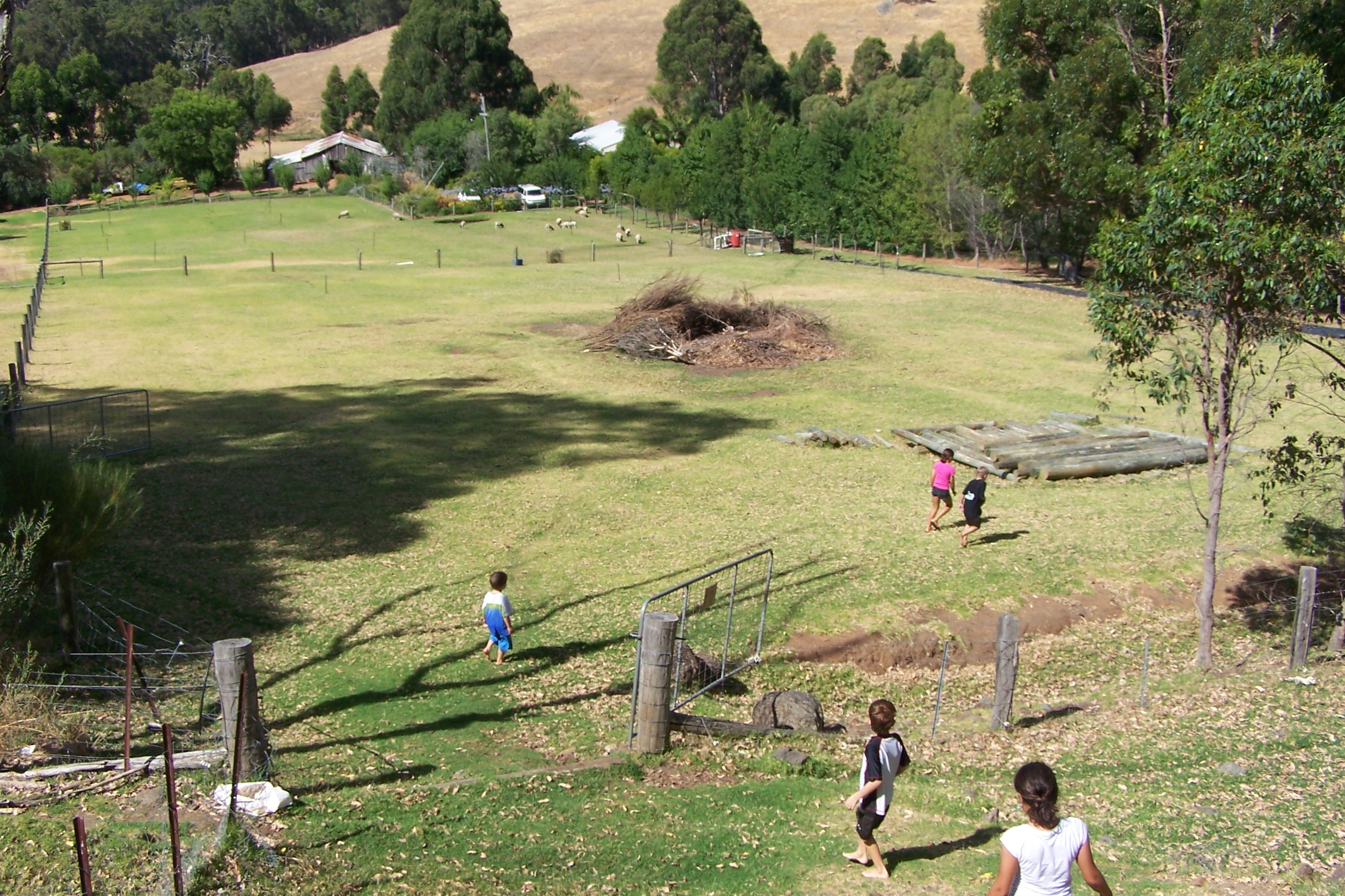
Vision board ideas for students shown through a family farm dream that became real through focus and intention
Our farm became a real-life reminder that the pictures children hold in their minds can shape their dreams.

Vision Board Ideas for Students: What The Secret Left Out

As a kid, I always wanted to be a farmer.

When I was growing up, I had a framed picture of a farm on my bedroom wall. I would look at it and think about it every day for years.

The picture showed a big wooden barn sitting on a grassy hill with duck ponds, sheep, a dog, a tractor and children running around.

The funny thing was that twenty years later, Cathy and I found and bought a little farm that was just about identical to the picture from my bedroom wall.

The little farmhouse sat on a green grassy hill, which is rare in Western Australia with its semi-arid countryside. It had a big wooden barn, sheep, ducks, a dog and a tractor. To top it off, we raised most of our children there during their early years.

I had no idea until later that the very farm we owned was so close to what I used to dream about as a child.

Why Vision Board Ideas for Students Work Best With Focus

When the movie The Secret came out, I was fascinated by the stories of people visualising in their minds what they wanted and then, over time, seeing those same things arrive in their physical world.

I guess that is exactly what happened to me, although it did take about twenty years.

Over the years, this idea seemed to show up many times in our lives. That is one reason we believe vision board ideas for students can be so powerful when they are used properly.

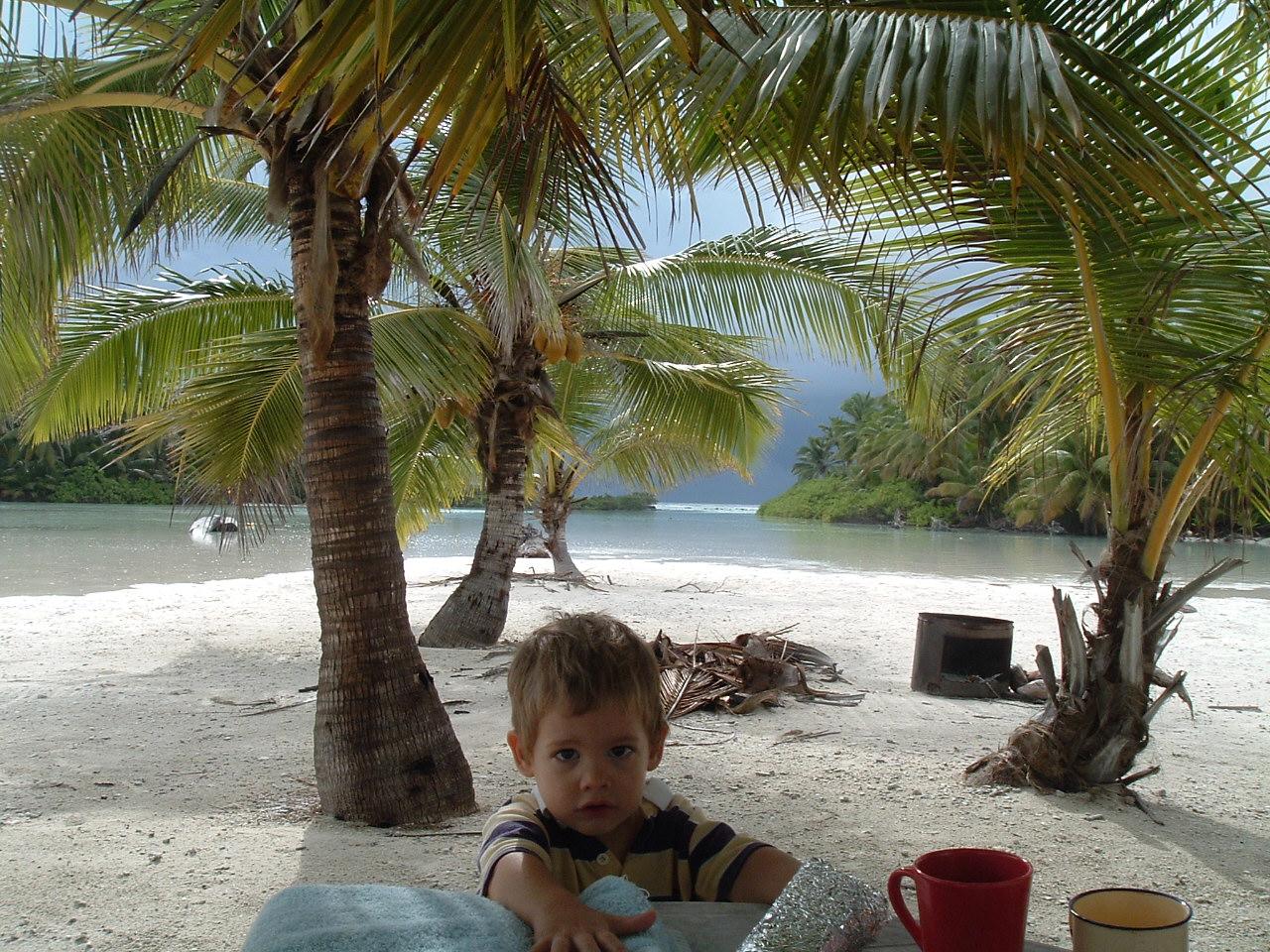
Vision board ideas for students connected to Kit camping on the Cocos Islands as a family dream come true
Kit camping on the Cocos Islands — a dream come true.
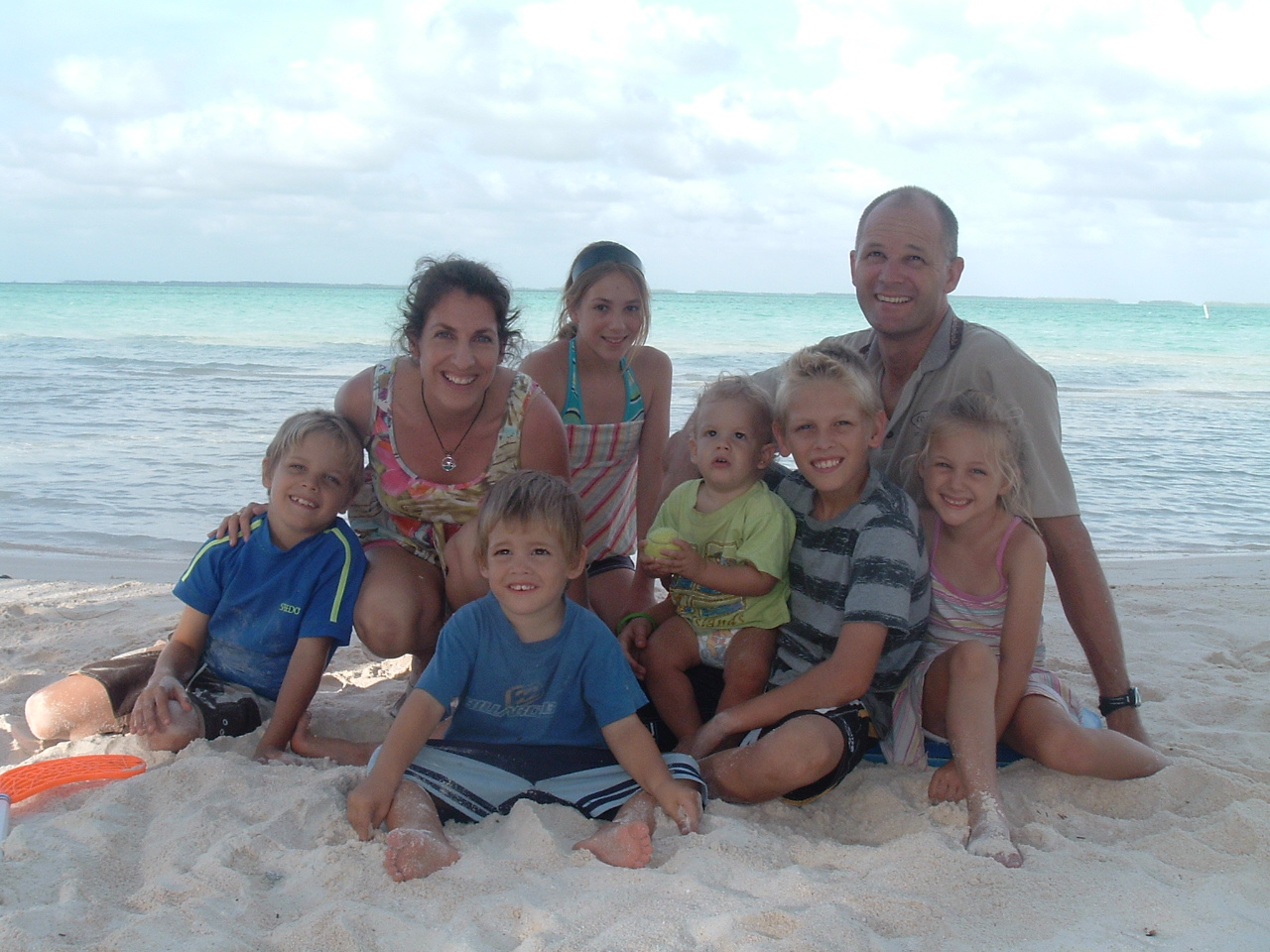
Howitt family on the Cocos Islands after using visualisation focus and vision board ideas for students
Our Cocos experience.

Our experience living on the Cocos Islands was a visual thought many years before it became a reality.

Travelling through Canada and the USA in a motorhome with our family was another example of a visualisation becoming real. You can see more of that adventure on our family travel blog, Driving Us Crazy.

These experiences made us think deeply about vision, focus and how the pictures we hold in our minds can shape the direction of our lives.

Family Vision Board Ideas for Students and Kids

Making a vision board is one way to build a visual picture of what you want.

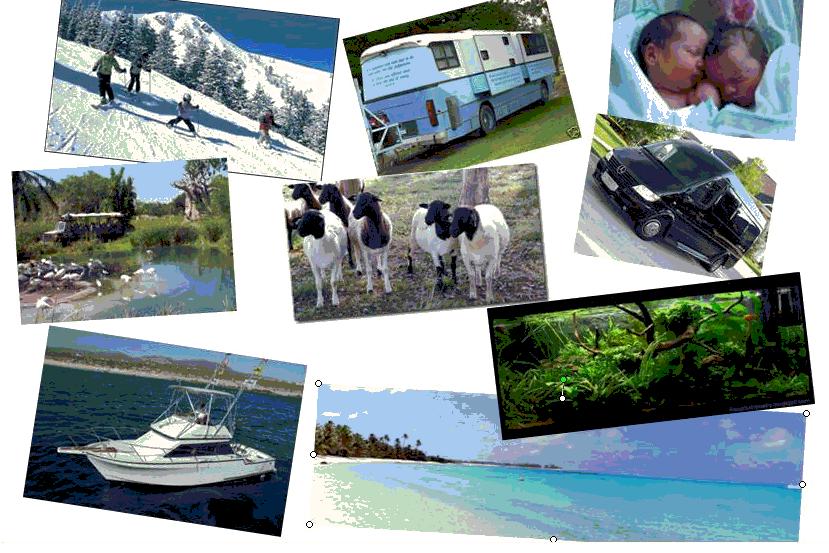
Cath and I have created dream boards and stowed them away, only to pull them out years later and see that several of the dream pictures could be ticked off as having been achieved.

Kite surfing, a large aquarium, more children, a fishing boat and family adventure were just a few examples.

Kite surfing goal achieved after appearing on a family vision board
Kite surfing.
Trevor's 2005 vision board showing vision board ideas for students and dream images that later became real
Trevor’s 2005 vision board. Almost all of these images became reality over time.

We believe vision boards help with visualising what you want. Because of that, we encourage our kids to make and display dream boards too.

They think it is all great fun, but there is also a powerful lesson underneath it.

When used well, vision board ideas for students can help children begin asking important questions:

  • What do I really want?
  • What kind of life do I imagine?
  • What experiences matter to me?
  • What goals feel exciting enough to work towards?
  • What small step could I take first?

The Problem with The Secret

The Secret shared a message that many people found inspiring: see it, believe it and allow it to come into your life.

There is certainly something powerful about visualising what you want and building emotional connection to your dreams.

However, when we read discussions about the law of attraction and visualisation, we also see many people feeling frustrated. They meditate, focus, make vision boards and think about what they want, yet they do not always see those things appear in their lives.

That raises an important question for parents, teachers and students.

If vision boards are powerful, why do some dreams still stay stuck on the board?

Vision Board Ideas for Students Need Focus and Intention

Vision board ideas for students need focus intention and action to move goals forward
Visualisation is powerful, but focus and intention help move the dream forward.

Our Money Mastery mentor explained that there was an important ingredient that The Secret did not emphasise enough.

He explained that while you need to visualise what you want and feel it emotionally, you also need persistent focus, clear intention and aligned action.

Without that focus, it is much harder for a dream to become reality.

He said, “The problem is that people have their focus elsewhere.”

That made sense to us.

In our situation, we were often busy all week at work. When we were home, our attention was taken up with sorting the kids, doing household chores and keeping up with our social life.

Our focus was being drawn away from the things we wanted to achieve, even though we were visualising them.

Often, when people hit a rock-bottom point in life, their focus becomes very sharp. This may happen through a near-death experience, serious illness, a breakup, financial stress or another major life change.

In those moments, the conscious and subconscious mind can suddenly align around a deep inner drive for change.

But we do not need to wait for rock bottom to teach children about focus.

That is where vision board ideas for students can become practical. A vision board should not simply be a collage of wishes. It should become a reminder of what deserves attention, planning and action.

Subconscious Limits, Comfort Zones and Student Goals

The other concept Paul, our Money Mastery mentor, explained was the idea of a “belt” or comfort zone.

Our subconscious mind seems to have an upper and lower limit for many areas of life, including wealth, happiness, relationships, health and success.

Using money as an example, let us say someone’s subconscious is only comfortable earning a certain amount each year. If they suddenly exceed that amount, they may unconsciously self-sabotage and bring themselves back to what feels familiar.

That self-sabotage could show up as overspending, poor decisions, risky behaviour, giving money away too quickly or simply failing to follow through.

Consciously, a person may say they want a much bigger goal. But if their subconscious is not comfortable with that goal, they may keep pulling themselves back into the old familiar zone.

The same principle can apply to relationships, health, weight loss, confidence, happiness, money and many other areas of life.

This is why small steps matter.

One way to work with these limits is to gradually build towards bigger dreams by visualising and intending smaller dreams that lead towards the larger one.

In other words, take smaller steps and celebrate them once they become real. Over time, your subconscious mind can begin to raise its upper limit to meet what your conscious mind is asking for.

Practical Vision Board Ideas for Students

So how can we make this useful for children and students?

A vision board should help students dream, but it should also help them focus. It can become a bridge between imagination and action.

Here are some practical vision board ideas for students:

  • Adventure goals: places they would love to visit or experiences they want to have.
  • Learning goals: skills they want to build, such as art, coding, sport, writing, music or public speaking.
  • Enterprise goals: business ideas, products, markets or money goals they would like to explore.
  • Character goals: qualities they want to develop, such as courage, kindness, persistence, confidence or generosity.
  • Family goals: shared experiences, trips, projects or adventures the family can work towards together.
  • Contribution goals: ways they would like to help others, give, serve or make a difference.

These vision board ideas for students work best when children also identify one action they can take. The image gives the goal a shape, but the action gives the goal movement.

Vision Board Ideas for Students at Home

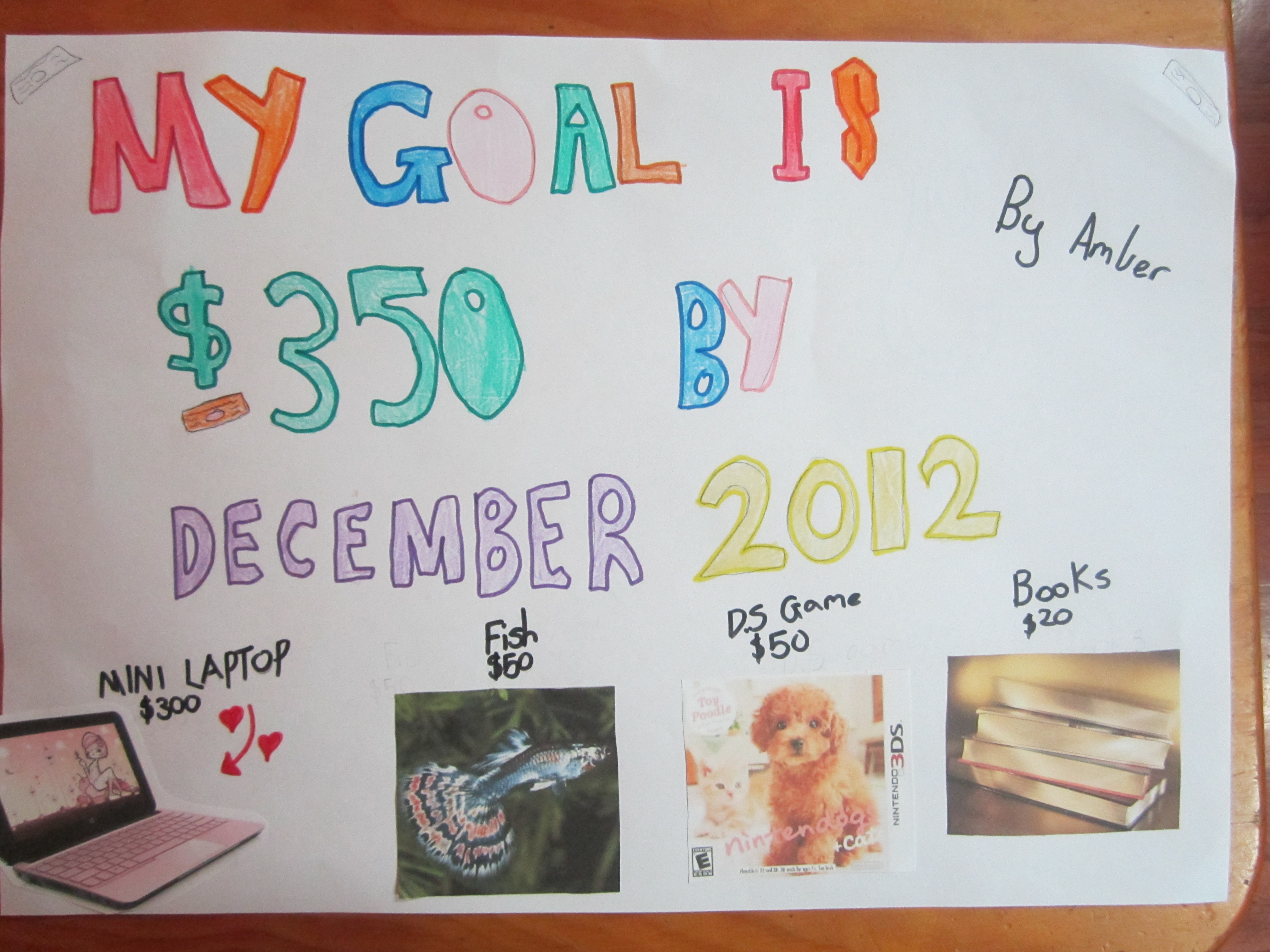
Amber's vision board showing vision board ideas for students and goal setting for kids
Amber’s vision board.

It took up to twenty years for some of my dreams to come about, so do not allow another moment to pass you or your children by.

Encourage your kids to make vision boards. Teach them how to visualise and feel what they want. Help them establish a simple plan and then, most importantly, help them make it their focus.

A student vision board works best when it includes:

  • a clear picture of the goal,
  • a reason why the goal matters,
  • one small action they can take now,
  • a reminder to keep going,
  • and a way to celebrate progress.

The dream matters. The picture matters. The feeling matters.

But the focus and action matter too.

Key Takeaway: Vision Board Ideas for Students Need Action

Key takeaway: vision board ideas for students are most powerful when they move beyond dreaming. A vision board can help children see what they want, but students also need focus, intention, small steps and action to bring their goals closer to reality.

Where to Next?

What would your child put on a vision board today, and what is one small action they could take towards it this week?