Money Mindset for Kids: Moving Beyond Earn, Spend and Borrow

money mindset for kids and financial freedom

In the last blog we spoke about who it is that teaches our kids about money. In this post we’d like to delve a little deeper into that topic, because understanding our money mindset is such an important part of changing it.

“`

Our intention is to build an understanding of why most of us have settled into the role of being a “worker” rather than following a more entrepreneurial path. You will also learn a little more about what we are endeavouring to achieve as a family, and why developing a healthier money mindset for kids matters so much to us.

“`

Kaitlin learning about money mindset for kids
Kaitlin represents the challenge many teenagers face as they learn about money, work and independence.

Money Mindset for Kids: Moving Beyond Earn, Spend and Borrow

Our kids, like all kids, want to have their own money so that they can have a little independence and buy the things that they want. In our family, our children sometimes receive money when it is their birthday and they also get a little pocket money.

Kaitlin, our eldest, has a part-time job working at a local brewery serving lunches and helping in the kitchen. She works hard and it pays pretty well. However, to take on a job, she loses some of her weekends and time to do school work and have a social life. She also commits time to regular babysitting work for some of the families in the area.

What Is a Money Mindset?

At present, the money mindset of our children is much the same as ours, which is likely to be the same as most other people, and that is to earn money, spend money and borrow money.

Generally, most of us either have a job where we give time for a salary, or we have a business where we still give our time for a monetary return. Whatever the case, we are often tied down and limited by what money we earn, and we sacrifice our time for it. Sound familiar?

The funny thing is that right from an early age we are conditioned to accept this as normal. Often our minds become closed off to entrepreneurial ideas and opportunities. Schools train us and prepare us for the workforce. Parents often do the same by pointing us towards a vocation.

Adding to this, media advertising, TV, politicians, universities and our peers all guide us towards getting a job. It is all around us — well-intentioned people and institutions keeping us on the “straight and narrow” path of getting a job (earn), then spending our money on things (spend), and then borrowing money to spend on even more things (borrow).

The Earn, Spend and Borrow Pattern

Finance companies advertising loans and debt as part of a money mindset
Advertising constantly reinforces an earn, spend and borrow money mindset.

Look at the people around you and you will see this pattern repeated everywhere. People with expensive things like houses, TVs, holidays, cars, boats and caravans. Most are servicing mortgages or loans to pay for it all.

The more things they acquire during their lives, the harder and longer they often have to work to pay for those things. Most people can see no obvious way out of their situation and simply accept that this is what is supposed to happen.

That is one reason why understanding money mindset for kids is so important. If children grow up believing that the only option is to work, spend and borrow, then they are likely to repeat that cycle without ever stopping to question it.

How the Rat Race Shapes Our Thinking

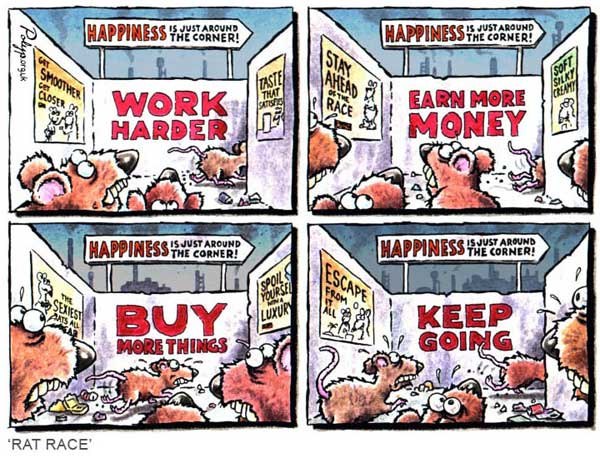
The rat race showing the worker mindset and earn spend borrow cycle
Many families become locked into the Rat Race without ever questioning the pattern.

In fact, many of us have been conditioned to accept a financial mindset that locks us into what many people call the Rat Race.

Now you may challenge us by saying, what’s wrong with our kids entering the workforce? What’s wrong with spending what they earn and borrowing some more? Honestly, there is nothing right or wrong about it at all. It simply is what it is.

For us though, we are looking for a new direction — one where we have the time to follow our passions and the freedom to give to our family, community and world without constantly worrying about how to pay for it. Our goal is to move beyond a narrow “worker mindset”.

We seek to know how the relatively few financially and time-free people managed to rise above the Rat Race. We want to know what they do that is different. How do they think? What is their conditioning around money? What kind of money mindset have they built?

Why Money Mindset for Kids Matters

What’s more, we wish for our kids to grow up with the mindset of an entrepreneur. It is important to us that they receive a real financial education for kids, not just an education that prepares them to earn a wage.

Financial education for kids does not usually come from school
A financial education for kids often begins at home, not in the classroom.

From what we’ve discovered so far, kids need to start very early if they are to develop an entrepreneurial mindset and the skills needed to manage money and build enterprise. They need role models who can foster different thinking, and parents who encourage and look for opportunities that develop enterprise.

Open discussions about money, business, debt, freedom and opportunity all help to build a better money mindset for kids.

We want our seven children to grow up having choices. We want their pathways to be wide with opportunity. We encourage them to follow their passions and not simply be conditioned into the “earn, spend and borrow” mindset. We hope they will think differently, believe in themselves and develop the habits of people who achieve both personal and financial freedom.

Our Family Is Learning Too

We know we have a challenge ahead of us, because our kids have already been conditioned from an early age — just as we were.

Using Kaitlin as an example, she earns money, spends freely and already has a debt. She is studying hard to go to university with all her friends and then, ultimately, to get a good-paying job. Once again, I’ll point out that there is no right or wrong about this, only that we would like her to see that there are other ways.

It is always going to be a challenge while we still carry some of that same conditioning and mindset ourselves. Although we are striving to change our thinking, we recognise that it will take time and persistence to learn new habits and shift old belief systems.

However, we are very confident that this year is the year that we will have a breakthrough. We have enlisted the help of a Money Mindset personal mentor who is helping us develop a new way of thinking. He is there to help us transform our thinking through our actions — and as we do so, so will our children.

In upcoming blogs we will continue to share this journey with you, including the lessons we are learning about building a stronger money mindset, creating more opportunity, and helping our children develop an entrepreneurial way of thinking.

Key Takeaway: A Money Mindset Can Shape a Family’s Future

Key takeaway: A family’s money mindset shapes how children see work, spending, debt, business and opportunity. Building a stronger money mindset for kids can help children grow up with more choices, wider pathways and a better understanding of enterprise and financial freedom.

We believe that changing a family’s money mindset can change a family’s future.

Where to Next?

What money mindset are your children learning from the world around them?

How to Avoid Distractions for Students: Kaitlin’s Enterprise Lesson

How to avoid distractions for students shown through Kaitlin balancing friends, camps and enterprise

How to avoid distractions for students is one of the biggest lessons that came out of Kaitlin’s portrait drawing enterprise.

Kaitlin had a strong creative idea, real customers and the talent to make it work. But like many students, she also had school, friends, sport, camps, work, family and plenty of other distractions pulling her focus away.

How to avoid distractions for students with Kaitlin revisiting her portrait drawing enterprise
Kait with that winning smile!

How to Avoid Distractions for Students: Kaitlin’s Enterprise Lesson

How to avoid distractions for students is the practical lesson behind this follow-up to Kaitlin’s portrait artist enterprise. Before we revisit her progress, it is worth looking at the idea of focusing on what you truly want to bring into reality.

At the time, we had been learning a lot about goals, values, mindset and the importance of making what you want a genuine priority. Whatever language people use — goals, vision, manifestation, values or focus — there is a practical lesson underneath it.

If something matters to you, it needs time, attention and action.

That sounds pretty easy, but I will be frank: it is easier said than done.

If you are anything like us, you will have very busy, complicated lives and are overrun with distractions. Work, family, social life, worries, school, sport, friends and commitments can all pull your focus away from what you say you want.

This is exactly what happened with Kaitlin’s portrait drawing enterprise.


Kaitlin procrastinating while learning how to avoid distractions for students
Kaitlin procrastinating!

Of course, not all distractions are bad. Some are part of life, family, travel, friendships and growing up. The problem is when those distractions quietly take over and push important goals further and further into the background.

For Kaitlin, learning how to avoid distractions for students was not about removing every fun or social activity. It was about recognising when her enterprise idea needed protected time, focus and follow-through.

How to Avoid Distractions for Students with a Real Goal

Kaitlin’s enterprise plan that she shared in her home video was a very good one, but it required time management, focus and diligence.

Once the article about her enterprise was posted on Enterprise for Kids, Kaitlin received two customers requesting her to do portrait drawings of their families.

Kaitlin was delighted that people had actually appreciated her talents and were willing to pay for her service. This was a real opportunity for Kaitlin to follow a passion of hers and she was motivated to get started.

Sliding into Action

Kaitlin sliding into action while learning how to avoid distractions for students
Kaitlin sliding into action.

She had bought half a dozen quality timber and glass frames from a garage sale, which would beautifully show the portraits if her customers wanted them framed.

She also had the $100 loan from me to buy the art materials required for her to run her enterprise.

So what has happened so far?

Distractions, distractions and more distractions!

Why Distractions Can Stop a Good Student Business Idea

Kaitlin, being a popular teenager, had many demands put upon her and she certainly didn’t have her focus set on attending to portrait drawings yet.

It had not become her highest value to develop an enterprise, despite the fact that she really did want to have her own enterprise doing something that she had passion for.

The list of distractions could almost fill a blog on their own!

Kaitlin at Bali Green SuperCamp while balancing distractions and enterprise goals
Kaitlin on the Bali Green SuperCamp.

Kaitlin had been on the Country Week camp, had sleepovers, caught up with friends, and was currently on the Bali Supercamp.

She had work commitments, babysitting, sporting commitments, school, boyfriends, homework, modelling classes and family commitments that had all stolen her focus away.

How to Avoid Distractions for Students with Big Goals

To do portrait drawings, Kaitlin needed a lot of concentration, patience and most importantly, a distraction-free amount of time where she could get her head around it.

Kaitlin understood that she needed to establish a time management plan where she could devote her focus to what she wanted to achieve.

Admittedly, Kaitlin didn’t need to complete the drawings straight away. She had a few months. But you could see how easily those few months could whittle away to nothing without a plan of attack, followed by action to bring that plan to fruition.

This is a useful lesson in how to avoid distractions for students. It is not enough to simply want something. Students need a simple structure that helps protect time and attention.

A few practical steps could include:

  • choosing one clear goal to focus on;
  • setting aside a specific time each week to work on it;
  • breaking the goal into smaller tasks;
  • creating a quiet, distraction-free space;
  • removing easy distractions during work time;
  • using short blocks of focused time rather than waiting for a perfect long stretch;
  • asking someone to help keep them accountable.

For families, how to avoid distractions for students becomes a practical conversation about priorities, routines and gentle accountability. The goal is not to remove every distraction, but to help children notice when distractions are stopping them from doing something they genuinely want to achieve.

ReachOut has some useful advice for parents helping teenagers manage distractions, including encouraging teens to work in short chunks of focused time and then take regular short breaks. You can read more here: How to help your teenager avoid distractions while studying.

How to Avoid Distractions for Students with a Simple Plan

That being said, we all must do the same with our dreams and desires in life.

Without making what we want a high value, writing down a plan, and then focusing our energy on it, those dreams are unlikely to come about very easily.

This is why children’s enterprise projects are so valuable. They teach more than business. They teach responsibility, time management, problem-solving and follow-through.

Kaitlin’s portrait drawing idea was still a good one. The challenge was not the idea. The challenge was protecting enough time and focus to bring the idea to life.

That is a powerful lesson for mindset, confidence and leadership.

What Kaitlin’s Distractions Teach Us

Kaitlin’s story reminds us that students can have talent, opportunity and encouragement, and still struggle to follow through if distractions take over.

For parents, the lesson is not to criticise the child for being distracted. The better lesson is to help them notice what is happening and gently guide them back to structure.

Questions like these can help:

  • What do you really want to achieve?
  • Why does it matter to you?
  • What is distracting you most?
  • When could you set aside time for this?
  • What is the next small step?
  • Who could help keep you on track?

This is how raising entrepreneurial kids can become part of everyday family life. It is not always about big wins. Sometimes it is about helping children learn what stops them from moving forward.

Key Takeaway: How to Avoid Distractions for Students

Key takeaway: Learning how to avoid distractions for students is an important part of helping children and teens follow through on their goals. Kaitlin had talent, customers and a strong enterprise idea, but she also needed time, focus and a plan to protect her attention.

We will keep you in the loop with Kaitlin in coming Enterprise for Kids blog articles.

For my next post or two, we will have a break from following our kids’ journeys and discuss understandings about developing a mindset for success. We’ll be looking at how we, and many other people, are conditioned to think in a certain way about money and how this conditioning may prevent us and our children from achieving success — and we are not just talking about the financial kind either.

Until then, we would love to hear from you, so please leave a comment.

Green SuperCamp

It’s amazing how life works sometimes. As you know, we have been sharing our kids’ experiences and jouney as they follow their enterprise ideas through to fruition. Certainly, as our learning and that of our children has accelerated over the past 6 months, other opportunities have landed in our laps.

One such opportunity came in the form of a friend and a simple email. She attended one of the workshops we have been doing with our mentor, Paul Counsel. She sent us an email with a link to something (in her words) pretty special.

Being school teachers and always being open to hearing about things that inspire children to think outside the square and follow enterprising ideas, the link our friend sent us truly was “special”.

Below is a snapshot of a concept that really had us super excited and super motivated.

The Green school
Amazing bamboo structure


The Green SuperCamp is indeed a very unique and inspiring concept.

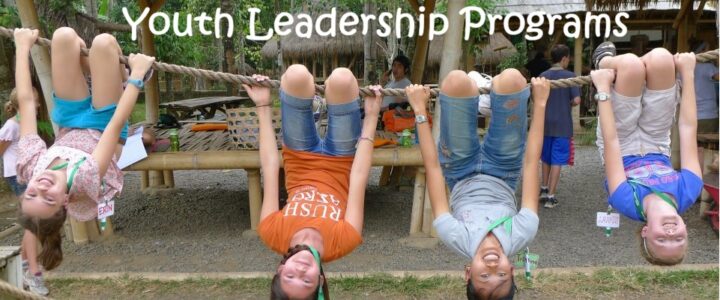
The school, located in the tropical paradise island of Bali, runs very forward thinking, engaging leadership camps that have attained massive results in the transformation of kids over a very short time. The SuperCamp uses a state of the art Quantum Learning System that delivers the very best in life and learning skills. We’ve seen no other camp or school use such forward thinking technologies that tap into a child’s mind and rapidly advance their abilities to read, and process and memorize information.

Trust activities and...
....working in groups


The staff ratio to kids is 1:4 and they are all highly trained. In fact they go through 300 hours of extensive training in Quantum Learning methodologies and 290 specialized learning techniques that lead to outstanding results that they seem to get consistently get for the kids who attend their camps.

Lots of learning...
...loved by all


Listening to some of the videos posted on their website, we viewed teenagers who have gone from reading 200 words per minute to 1000 words per minute in just seven days. We have both worked in many schools and seen no one that can claim anything like that!  Kids from all over the world attend the SuperCamps. They are particularly popular for American kids who travel to Bali during their summer vacation.


A bird's eye view
Looking up into the ceiling


The SuperCamps are held at the world renowned Green School campus. The founders of the school, John and Cynthia Hardy, built the new Green School almost entirely of bamboo. They wanted to set up a school that is at the cutting edge of environmental education, and also takes on a holistic view for the future of the Earth. Their school was never to be built in a city, but in the very heart of nature itself.

Solar panels in a natural environment
Hut accommodation for the camp


It is designed to have the smallest carbon footprint by having compost toilets, to open walless rooms with natural lighting. The kids interact with animals that produce the methane gas for power.  The flowing river that passes though the grounds also powers the school. To top it all off, the kids grow their own food to eat!

Green School’s mission is to “empower global citizens and green innovators who are inspired to take responsibility for the sustainability of the world”.

“The school has attained international attention for its revolutionary approach to education, with its focus on transformational education in a spectacular setting. It has built a reputation for its focus on nurturing our young leaders of tomorrow on sustainable living with a deep respect for our planet and each other.” (Quoted by CNN TV.)

The school bases much of its philosophy on the Steiner System. The early Austrian educator, Rudolf Steiner, believed in the philosophy of balancing education with social learning.

Social interactions....


...and just hanging about!


As we viewed the short movies of teens who share their experiences after attending a Green SuperCamp, we were astounded by their personal insights. They all go through a journey of self discovery where they get to build strong relationships with future leaders from all over the world. Many claim that Green SuperCamp is a life changing experience!

Leaping for joy!
Kite building skills


They learn to live in the moment and be fully self expressed. They develop a responsibility for themselves and each other and they do things way outside their comfort zone. Activities such as rope climbing, Balinese dancing, mud wrestling, flying fox, and physically breaking wood, all contribute to building self confidence and leadership. Many kids manage to have massive break throughs in overcoming obstacles in their lives and their parents are astounded by their transformation.

Fun in the mud!
Fun as a group


We are completely amazed that Green SuperCamp manages to have such a huge positive impact on kids in only a matter of days. If all schools could learn from this innovative school, then we would have a generation of kids who are very equipped to provide the leadership required for our future world. They have a camp designed especially for developing entrepreneurial teenagers. Now that is a first!. When has a school ever tried to foster in kids an Entrepreneurial mindset?

We have been so inspired by Green SuperCamp that our three oldest kids are attending the camp this year.

We will let you know in future blogs, how they go….although we think we already know the answer to that one! 🙂

Lining up for a Goal!

Visualing a goal, evoking the emotional response within and taking the necessary action (whether it be aquiring the knowledge and skills or doing something physical) are all of the necessary ingredients to achieve a particular goal.

In fact all leading sports men and women do this. I remember reading about one of Australia’s very best runners, Cathy Freeman, who won Gold in the 1994 Canadian Commonwealth Games in both the 200m and 400m races. Cathy began her preparation for the 200m race two years earlier.

Every day she trained and visualized the race in her mind. Her visualization included every detail of the race from what she was wearing, the lane she was in and how she would run the race from start to finish. She even pictured the time she would get and how much it was to beat the second place getter. She was so mentally prepared that she had no doubts at all that she had the gold in the bag.

Cathy Freeman winning the 200 Olympics
Cathy Freeman winning gold.


She had already won in her mind. As it turned out she ran the race perfectly with every detail of the race being as it was in her mind. She is a living legend!


Imagine if our kids were able to muster up that sort of determination and self belief! It would make anything possible for them. So our kids needed to see a real purpose in the kids enterprise project that they were embarking on. Without a real purpose that they could believe in, they would not have the steam to see it through.

Before we even considered kids enterprise ideas, I asked them to think of something that they would like to buy with the profits they were going to make from their enterprise businesses. It had to be something that they really wanted and something that they realistically believed they would be able to achieve.

Coming up with ways to spend the money was easy, even though at this stage they still had no idea what enterprise project they would be doing. But that didn’t matter. The Laws of the Universe would ensure that it all worked out. All they needed to do was establish a realistic goal that they could believe in with certainty. If the kids wanted their goal bad enough, and focused on what they needed to do to get that money, then the enterprise would be fruitful.

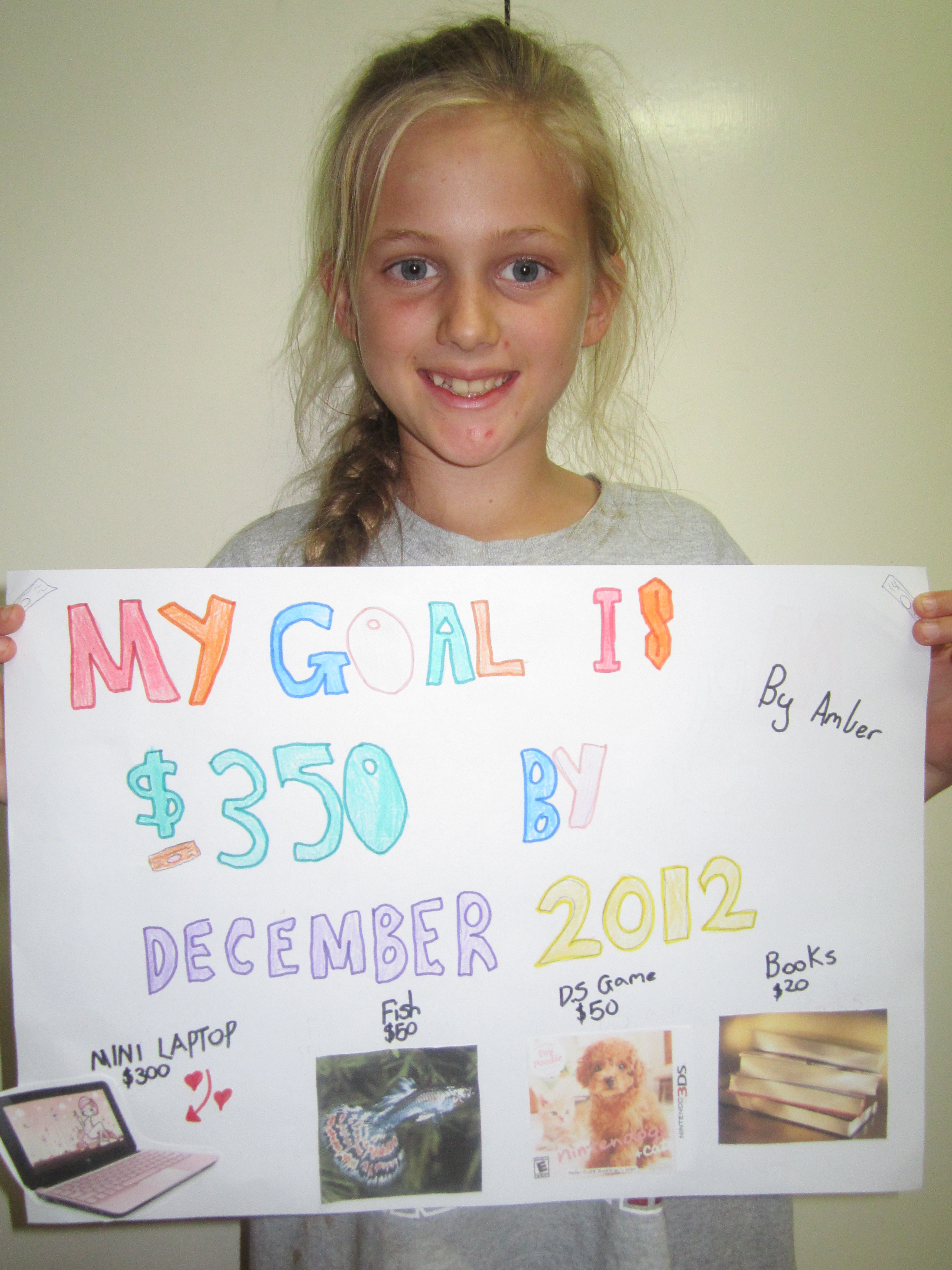
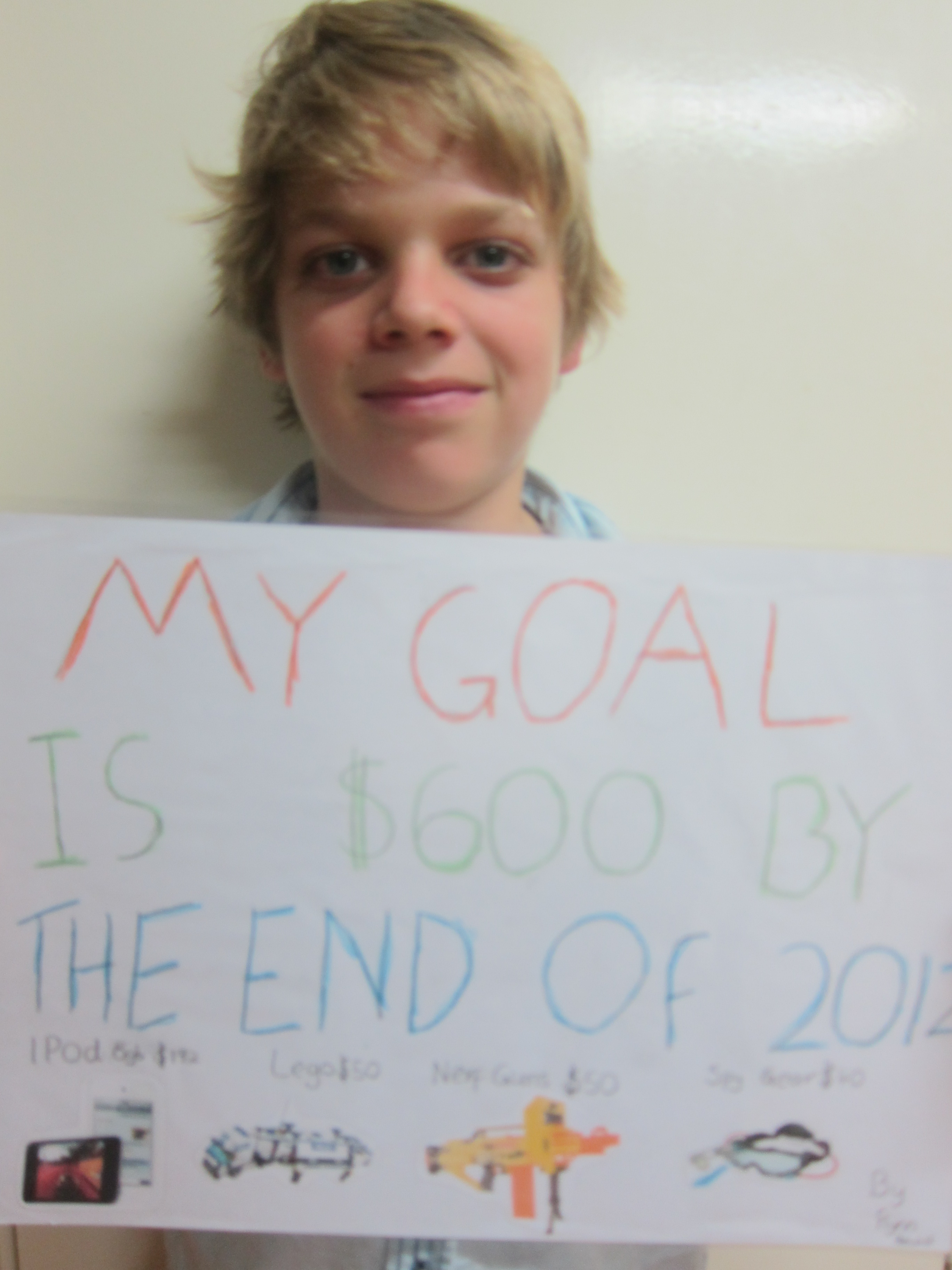
Once the kids had a visual on what they wanted, the next stage was to convert it into a dollar amount. I made a stipulation that their first enterprise idea may not completely reach the whole monetry target they had set for themselves, but it had to at least be able to pay my $100 back + $1. This we called ROI (or Return On Investment). Future enterprise ideas could contribute to the children realising the rest of their financial goal.

Finally, they needed to set an end date for the completion of their enterprise.

Amber's Vision Board. Click to view her explaining
Flynn's Vision Board. Click his photo to view him telling about his goals.
Chayse wants Nerf Guns! Click this photo to hear Chayse and Kit tell about their vision boards.


The kids jumped onto the computer to find images of the things they wanted to buy when they had made the money. These were printed and each of the kids constructed vision boards which I laminated (to make them special and long lasting). The vision boards are now stuck on their walls in their bedrooms where our little “enterprising team” can look, dream, think and evoke the visual pictures into their subconscious.

In the next blog we’ll take you through the process of how the kids came up with each of their “kids’ enterprise ideas.” See you then!