Limiting Beliefs in Children: 4 Simple Tools to Help Kids Know They Are Enough

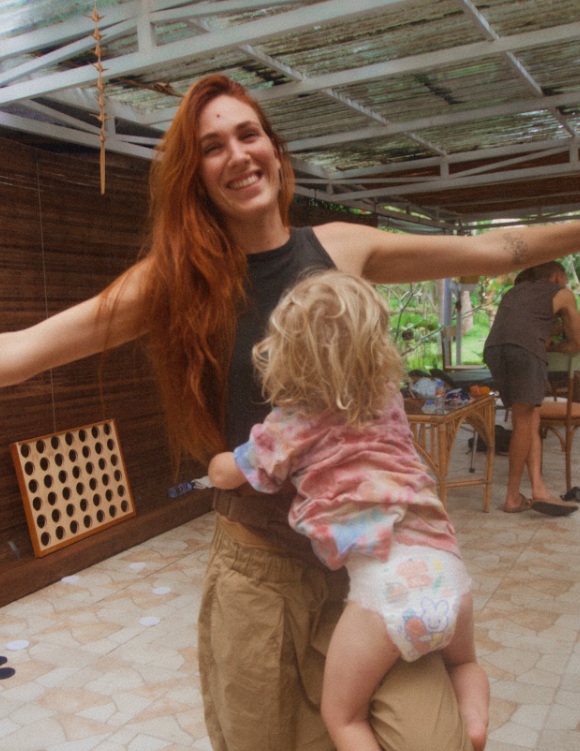
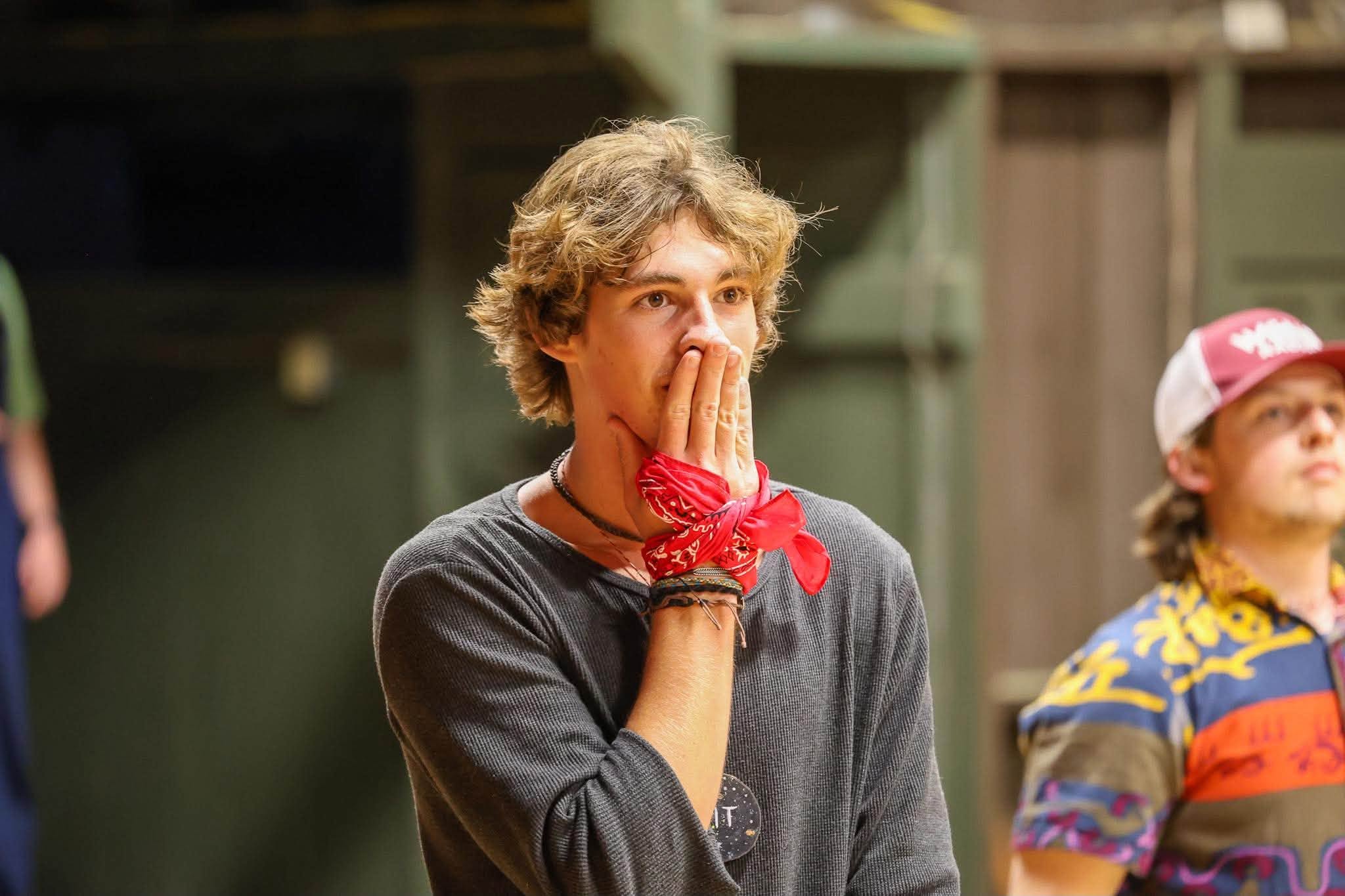
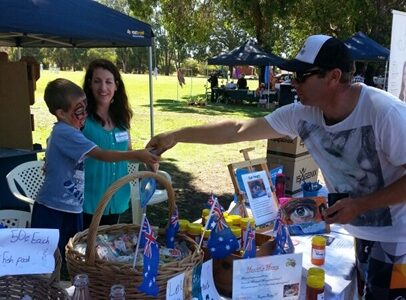
Kit as a young adult standing confidently with folded arms while working as a summer camp facilitator and team leader

Limiting beliefs in children can quietly shape the way they learn, take risks, make friends, handle failure and see their own future.


I was reminded of this recently while listening to Stephen Bartlett interview Marisa Peer on The Diary of a CEO. It made me think again about children, confidence, school, enterprise, and the stories young people quietly carry about themselves.

Limiting beliefs in children can shift through confidence, leadership and real responsibility as Kit leads a summer camp activity
Confidence often grows through real responsibility, leadership opportunities and the chance to step forward, even when it feels uncomfortable.

Marisa Peer has spent many years working with people around the subconscious mind, self-worth and the inner stories that shape behaviour. What fascinated me most was not only how this applies to adults, but how powerfully it applies to children, especially children we want to raise with confidence, creativity, resilience and an entrepreneurial mindset.

As a teacher, a parent, and someone who has spent years thinking about what helps children become capable and free-thinking, I found myself listening to that interview and thinking: this matters. This is not just personal development. This is family life. This is school life. This is enterprise education. This is the inner foundation that helps children believe they can have a go.

Important note: This article is a parent and teacher reflection, not medical or therapeutic advice. Hypnosis and clinical therapies should only be used by properly trained professionals with appropriate consent. The toolkit below is deliberately simple, practical and suitable for everyday family or classroom encouragement.

The Three Beliefs Behind Limiting Beliefs in Children

One of the ideas that stayed with me was Marisa Peer’s explanation that many adult struggles are connected to a few deep beliefs formed early in life. In the interview, she described three common inner patterns:

  • I am different, so I do not truly belong or connect.
  • What I want is not available to me, or in everyday language, I do not deserve it or it is not for people like me.
  • I am not enough: not smart enough, good enough, organised enough, attractive enough, capable enough or worthy enough.

Those words are simple, but they are powerful. I have seen versions of them in children. A student who says, “I’m just bad at maths.” A child who avoids trying because they believe others are naturally better. A teenager who studies hard, does the homework, then performs below where they hoped and begins to think, “Maybe I’m not as smart as I thought.”

When we notice limiting beliefs in children, we can begin to help them separate a result from their identity. A disappointing mark, a mistake, a failed attempt or an awkward moment does not have to become a story about who they are.

I have also seen versions of this in myself. In futures day trading, for example, I can be disciplined and successful in practice mode. Yet when real money is involved, and I am in a live room with a professional trader and other traders around me, different behaviours can appear: fear of missing out, impatience, greed, revenge trading, the need to take action, or a lack of trust in the plan.

On the surface, that looks like a trading problem. But underneath, it may also be an identity and belief problem. If something in the subconscious is trying to prove I am not enough, escape discomfort, or force action so I feel in control, then no strategy will work properly until that inner pattern is addressed.

That links strongly with what we have written about before on Enterprise for Kids: success is never only about the external strategy. It is also about the inner story.

In our earlier article Money Mastery: Lessons from Paul Counsel’s Program, we reflected that financial freedom is not only about numbers. It is also about beliefs, choices, habits, values and identity. In Sean Rasmussen… Developing Self Esteem, we explored how self-image shapes behaviour, and how children can begin to act from the story they hold about themselves. And in Entrepreneurship for Students: How Entrepreneurs Think, we wrote about the conditioning young people receive around money, work and what is possible.

How Limiting Beliefs in Children Are Strengthened by Repetition

Another idea from Marisa Peer that struck me was her point that the mind learns by repetition. A belief is often just a thought we have thought over and over until it feels true.

Marisa Peer being interviewed by Steven Bartlett in a discussion that prompted reflection on limiting beliefs in children
Marisa Peer’s conversation with Steven Bartlett prompted this reflection on how beliefs, repetition and self-worth can shape children and adults.

That is a confronting idea, because children repeat thoughts all the time:

  • I can’t do this.
  • I’m not good at school.
  • Everyone else finds this easier than me.
  • I always mess things up.
  • I am shy.
  • I am not a maths person.
  • I am not creative.
  • People like them succeed. People like me do not.

When a child repeats those thoughts, the thoughts become familiar. Then familiarity starts to feel like truth. From there, the child may act in ways that confirm the belief. They avoid the task, perform nervously, give up early, or stop putting themselves forward. The result then becomes more “proof” that the belief was right.

This is where limiting beliefs in children can become a quiet pattern. The child is not trying to be difficult. They may simply be repeating a story that has started to feel true.

This is why the language we use around children matters so much. It is also why the language children use about themselves matters. If the subconscious mind responds strongly to repetition, then we need to be deliberate about the repeated words, repeated experiences and repeated identities we allow children to practise.

Limiting Beliefs in Children and the “I Am Enough” Message

At the end of the interview, Marisa Peer returned to a very simple phrase: “I am enough.”

I have been saying it often since listening to the podcast. I have also encouraged Akaisha, our fifteen-year-old daughter, to say it as well. She has had some recent assessment disappointments at school, despite doing homework and studying, and that can become a real knock to confidence.

When a child starts to come in below where they hoped, the danger is that the assessment result becomes an identity statement. Instead of “I did not get the result I wanted this time,” the child starts to hear, “I am not good enough.”

That is where “I am enough” is so important. It does not mean “I do not need to try.” It does not mean “I am perfect.” It means:

  • I am enough to learn.
  • I am enough to try again.
  • I am enough even when I get feedback.
  • I am enough before the result arrives.
  • My worth is not determined by one mark, one trade, one business attempt, one friendship problem, or one mistake.

For me, this phrase is one simple way to soften limiting beliefs in children. It gives them somewhere steadier to stand before they try again.

Children who know they are enough can still aim high. In fact, they are often more able to aim high because they are not paralysed by the fear that failure will prove something terrible about who they are.

Why Limiting Beliefs in Children Matter for Enterprising Kids

Enterprise is not only about starting a business. It is about taking initiative, spotting opportunities, solving problems, serving people, handling money, communicating, recovering from setbacks and creating something useful in the world.

That kind of learning requires confidence. It requires a child to walk up to a customer, try a new idea, ask a question, receive a “no”, count money, make mistakes, adjust the plan and keep going.

We saw this with Kit and Chayse in their lolly business. In Kit and Chayse and a Lesson on Self Efficacy, we wrote about how repeated action helped build confidence. Kit was shy at first, but by putting himself out there over time, he began to develop self-efficacy: the belief that he could take action and influence the result.

That is what we want for children. Not fake confidence. Not empty praise. We want the deep inner belief that says, “I can learn. I can improve. I can solve problems. I can handle discomfort. I am enough to have a go.”

Seeing Limiting Beliefs Shift in Kit’s Journey

Looking at Kit now, I can see how much confidence can grow when a young person is given real responsibility and the chance to step into uncomfortable but meaningful experiences.
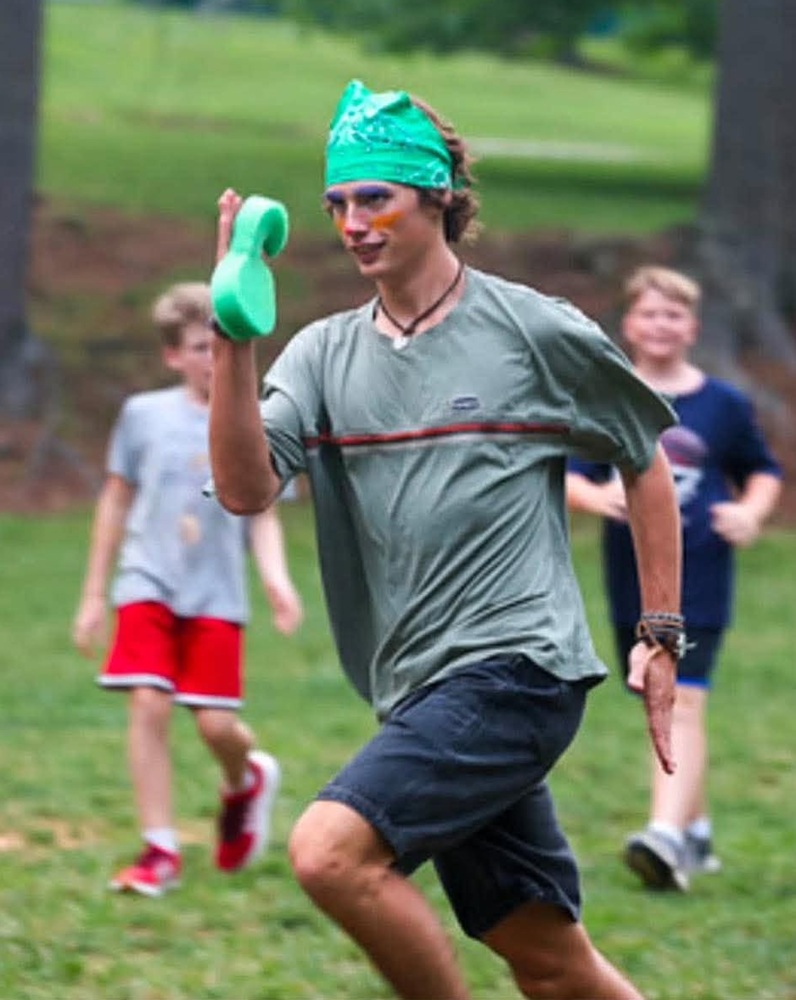
Limiting beliefs in children can shift through real responsibility as Kit leads outdoor group games at summer camp
Kit leading outdoor group games at summer camp — a real example of confidence, responsibility and leadership growing through experience.

Kit is currently in the USA for the second time working at a summer camp for three to four months. He has been placed in a leadership role, responsible for a large group of children and teenagers. He has also been involved in trekking camps into the wilderness, helping facilitate a leadership program for 16 and 17 year olds through a range of practical activities and challenges.

That did not appear out of nowhere. Before these summer camp roles, Kit completed outdoor education courses, worked as an intern at Margaret River Senior High School, and facilitated school groups through camp activities with Dare Adventures in Dwellingup.

Kit loves travel, people and new experiences. He also loves helping children build confidence and step into leadership. To me, that is a beautiful example of what can happen when children grow through responsibility, self-belief and repeated chances to have a go.

You can read more of Kit’s earlier Enterprise for Kids journey in Kit’s Stories.

A Simple Toolkit for Limiting Beliefs in Children
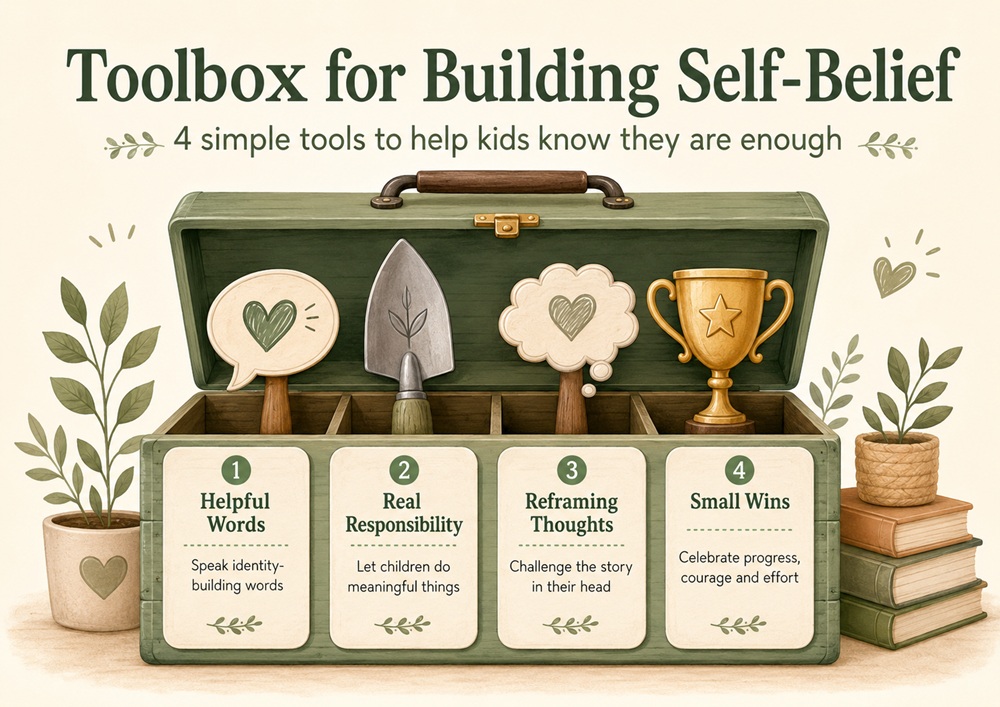
Toolbox for limiting beliefs in children with four tools to help kids know they are enough
A simple toolbox for helping children notice limiting beliefs, practise helpful words, take responsibility, reframe thoughts and celebrate small wins.

The following toolkit is not therapy. It is a practical set of family and classroom strategies inspired by Marisa Peer’s ideas, our own parenting journey, and the Enterprise for Kids philosophy.

These tools are not about pretending limiting beliefs in children do not exist. They are about helping children notice the old story, question it gently, and practise something more useful.

1. Become a Belief Detective

When a child says something limiting, do not rush too quickly to correct it. First, help them notice it.

You might ask:

  • Where did that belief come from?
  • Is it definitely true?
  • Who told you that?
  • Is it true all the time, or only sometimes?
  • What would be a more useful belief?

For example, if a child says, “I’m just bad at writing,” we can gently reframe it: “You are learning to organise your ideas. That is different from being bad at writing.”

The aim is to help children separate the event from the identity. A result is feedback. It is not a life sentence.

2. Replace the Old Script With an “I Am Enough” Script

Children need simple words they can repeat until the new belief starts to feel familiar. The phrase “I am enough” is a powerful beginning, but it can be linked to the exact challenge the child is facing.

For assessments:

  • I am enough, and I can learn this step by step.
  • Everything I have studied is stored in my mind, and I can access it calmly.
  • This test is a chance to show what I know, not a threat to who I am.

For enterprise:

  • I am enough to speak to a customer.
  • I am enough to receive a no and keep going.
  • I am enough to solve problems and improve my idea.

For sport or performance:

  • I am enough to have a go.
  • My body knows what to do because I have practised.
  • I can stay calm, focused and ready.

For parents, including myself, the same principle applies. A trader might say, “I am enough without needing to force the next trade. I can wait for my setup. I can follow my plan. Missing one trade does not mean missing my future.”

3. Build an Evidence Bank

The subconscious loves familiar evidence. If a child has practised looking for failure, they will keep finding it. So we can help children practise looking for evidence of capability.

Create an “evidence bank” with your child. This could be a notebook, a jar, a poster, a notes app or a small card on the fridge. Add evidence such as:

  • A time they kept trying.
  • A time they solved a problem.
  • A time they were brave.
  • A time they asked for help.
  • A time they improved after feedback.
  • A time they made a sale, spoke to someone, performed, finished a task or recovered from disappointment.

This connects beautifully with our earlier writing about self-image. Children need to dwell on successes, not only mistakes. They need repeated proof that they are capable.

4. Rehearse the Identity Before the Event

Before a test, performance, market stall, sports game or difficult conversation, help the child mentally rehearse who they are going to be.

This is not about pretending in a shallow way. It is about giving the mind a useful blueprint. Marisa Peer talks about the mind responding to the pictures and words we give it. We have also used similar ideas in earlier Enterprise for Kids articles around intention, vision boards and goal setting.

A simple three-step rehearsal might be:

  1. Close your eyes and see yourself walking into the situation calmly.
  2. Say the identity statement: “I am enough. I am calm. I am prepared. I can handle this.”
  3. Picture one small successful action: answering the first question, greeting the first customer, waiting for the right trade, serving the ball, or asking for help.

Children do not need long visualisations. Two calm minutes can be enough to shift their emotional state and give the subconscious a better script to follow.

Helping Children Move Beyond Limiting Beliefs at School

As a primary school teacher, I can see huge potential for this work in schools. Again, I am not suggesting hypnosis in classrooms. I am talking about simple, age-appropriate belief and confidence tools that support learning and wellbeing.

Imagine a class routine like this:

  • Morning belief check: “What is one useful thought I want to practise today?”
  • Before assessments: “I am prepared. I can stay calm. I can show what I know.”
  • After feedback: “This is information. It helps me know what to practise next.”
  • Weekly evidence bank: students write one example of effort, courage or improvement.
  • Enterprise challenge reflection: “What problem did I solve? What did I learn about myself?”

Over time, students can begin to understand that their thoughts are not always facts. A thought can be questioned. A belief can be upgraded. A result can be learned from. A child can be more than the story they inherited.

Why “Fake It Until You Make It” Needs Careful Language

One part of Marisa Peer’s message that intrigued me was the idea of telling your mind a better story before you fully believe it. Some people call this “fake it until you make it”.

I understand what she means. If a child keeps saying, “I am going to fail,” the mind and body may begin to respond as if failure is already happening. If the child practises saying, “I can stay calm and remember what I have learned,” the body may respond differently.

However, with children, I would be careful not to make it feel false or forced. Instead of asking a child to say something they completely reject, we can build bridge statements:

  • I am learning to believe I can do this.
  • I am becoming more confident with practice.
  • I do not know it yet, but I can learn it.
  • This is hard, and I can take the next step.
  • I am enough, even while I am still learning.

Bridge statements are powerful because they are believable enough for the conscious mind and useful enough for the subconscious mind.

The Enterprising Kids Mindset Starts Inside

The more I reflect on Marisa Peer’s interview, the more I see how closely it connects with the Enterprise for Kids message.

We can give children market stalls, money lessons, leadership camps, business ideas, mentors and opportunities. Those things matter. But if a child carries the belief “I am not enough,” they may still hold back from the very opportunities that could help them grow.

If a child believes they are different and cannot connect, they may avoid customers, teams and friendships. If they believe success is not available to them, they may not even try. If they believe they are not enough, they may interpret every mistake as proof they should stop.

Our job as parents and teachers is not to remove every struggle. It is to help children build the inner foundation that allows them to face struggle without losing themselves.

That foundation can begin with three words:

I am enough.

When children know that, they can learn, risk, create, fail, adjust, serve, sell, study, trade, perform and try again from a stronger place.

Key takeaway: Limiting beliefs in children can quietly shape confidence, learning and enterprise. When we help children notice the old story, repeat a better one, collect evidence of capability and rehearse who they are becoming, we give them a stronger foundation for success.

What limiting belief did you have to outgrow as a child? And what belief would you love your own children to grow up knowing? We would love to hear your thoughts in the comments.


Young Entrepreneurs: What Happened to Our 7 Enterprising Kids

The Howitt family together in a recent photo for their young entrepreneurs story

Young entrepreneurs can grow from the smallest real-life moments: selling honey at a market stall, selling lolly bags at a soccer match, repairing and upselling a rabbit hutch, having business conversations at the dinner table, or dealing with real-life responsibility in a range of settings.

“`

It has been a while.

If you have been with us since the early days of Enterprise for Kids, you will know this site has always been a reflection of our family’s real life — the projects, the lessons, the experiments, the conversations around the dinner table, and the belief that children learn most deeply when they are given real experiences and real responsibility.

“`

Jai Kit Chayse and Akaisha goofing around on holiday on the Cocos Islands
Jai, Kit, Chayse and Akaisha enjoying a family holiday on the Cocos Islands.

Young Entrepreneurs: What Happened to Our 7 Enterprising Kids

We started this blog back in 2012 when our seven children were young. We shared about market stalls and honey businesses, kerb painting, goal setting, the value of leadership camps and all types of money lessons. We wrote about mindset, mentors, purpose, business ideas and the kind of life we were trying to build together as a family.

As you can imagine with seven kids, life got full. The kids grew up. The blog went quiet.

But we never stopped living the journey.

So, Here We Are Again! But Who Are We Exactly?

For those of you who are new here, we are Cathy and Trevor Howitt, parents of a large family from Western Australia, who have spent the better part of two decades asking one big question:

How do we raise children who are confident, creative, capable and free?

Not just free financially, but free in the way they think. Free to pursue something meaningful in their lives. Free to take a risk on an idea they believe in. Free to design a life rather than simply fall into one.

We are not perfect parents. Far from it! We have made plenty of mistakes along the way.

But we were always intentional. We surrounded our kids with mentors, conversations, real-world experiences and the unshakeable belief that they could shape their own path. Looking back, these were the early foundations that helped shape them into young entrepreneurs in very different ways.

Now, all these years later, we get to watch the proof of that walking around in the world. These are not just entrepreneur stories from somewhere else. These are the stories that grew out of our own home, our own questions and our own family entrepreneurship journey.

Young Entrepreneurs Australia: Our Kids Are Grown Now

As mentioned earlier, we wrote regularly on this blog when our kids were young, ranging in age from 18 months to 17 years. We followed and documented their journeys.

Then life became busy with everyday parenting, working, living in beautiful locations and growing our own side hustles.

Again, the blog went quiet.

But we were always inspired by how our kids showed up as young people in this world, and as they grew, what they were up to in their professional and personal lives.

We picked up the pen briefly again in 2021. The last entry written was when Kaitlin was nearly in her mid-twenties working online, Jai was in his early twenties with a warehouse and big dreams, Flynn and Amber were looking into UGC content to generate extra income, Kit and Chayse were in high school, and our youngest, Akaisha, was in primary school.

Life became busy once again, so priorities changed. But the lessons didn’t. Our kids continued to grow and change, develop their own tastes in what life had to offer, pursue their own dreams, or push them aside until it was time to pick them up again.

And our blog was much the same. It has been a dream to document and share our family’s journey, and now is the time to pick it up again and share what has been happening in those intervening years.

And here we are.

Today, our seven children range in age from 15 to 29. The stories they are living now are better than anything we could have scripted. Not because they are all success stories living a true entrepreneurship lifestyle, but because our children are human, living in an unpredictable world, experiencing success, failure and everything in between.

Some are building businesses as young entrepreneurs in the entrepreneur space. Some are creating art, writing and music. Some are exploring digital entrepreneurship, content, apps, leadership and community. All of them are still learning, stretching, succeeding, failing, succeeding again, but most importantly, finding their own way.

That is the part we love the most. We did not raise seven identical children. We raised seven individuals. And each of them is showing us that young entrepreneurs do not all look the same. Some are loud and visible. Some are quiet and creative. Some build companies. Some build communities. Some build stories, songs and ideas, and some are building futures not even thought of yet.

The Short Version of Our Seven Young Entrepreneurs

Kaitlin (29)

Kat Howitt as part of the Enterprise for Kids young entrepreneurs story
Kat has followed her own creative path through motherhood, community, writing, self-development and women’s connection.

Kaitlin has become a mother to two beautiful little boys, which makes us very proud grandparents. She has spent her adult life as an entrepreneur, running online courses, building communities, and pursuing her deep passion for creativity, women’s connection and self-development. She writes poetry, publishes on Substack, and her next chapter involves building retreats for women.

She has always followed her heart, no matter what that looks like to the outside world. She is deeply obsessed with finding out who she truly is in all the social constructs of our society and experiences it all — the good, the bad and the ugly.

Kaitlin was the child who walked to the beat of her own drum and, quite often, the drum we were beating as parents was a different rhythm to hers. But it is amazing how the rhythm of two drums can sound good together, and we can say with certainty, Kaitlin has also been one of our greatest teachers, and us hers.

Jai (28)

Jai Howitt as part of the Enterprise for Kids young entrepreneurs story
Jai has built Art of Mondays into a global community for entrepreneurs, founders and creative thinkers.

Jai has built something genuinely remarkable. His business, Art of Mondays, or AOM for short, is a multi-million-dollar community for entrepreneurs. He runs residencies in beautiful locations around the world where founders gather to connect, collaborate and grow together.

He has written a book, acquired businesses, and travelled the globe doing what he loves. He left school unsure of his direction. He has been wildly successful, failed miserably, shaken himself off and continued building success again on this entrepreneurial journey.

True to form, and never resting on his laurels, Jai has a burning desire to build something bigger than himself. His fuel is to make a positive difference to others. He has found his path and follows it. Much like a hummingbird searching for nectar, Jai is willing to change direction when needed and bring life’s lessons with him.

Flynn (26)

Flynn Howitt as part of the Enterprise for Kids young entrepreneurs story
Flynn has grown into a creative connector, working across community, content, crypto education, photography and videography.

Flynn is the connector and the creative. He works closely with Jai on AOM in the sales team, but also runs his own crypto trading and education community. He creates UGC content and teaches others to do the same.

Flynn’s passion for photography and videography has opened him to many opportunities, all involving brand deals and travel. He has always found a way to be involved in whatever is interesting, whatever is a growing trend and whatever is full of possibility.

But more importantly, Flynn does what makes him feel happy. In a world where so many are in jobs they hate, working in systems that don’t serve them, it is refreshing to see a young person full of life, willing to take on challenges, but not at the sacrifice of what brings him joy.

There’s a lesson in that for everyone.

Amber (24)

Amber Howitt as part of the Enterprise for Kids young entrepreneurs story
Amber is building a creative life through writing, poetry, music and quiet, consistent commitment to her craft.

Amber left school not really being clear on the direction she wanted to take, only that it would involve writing and being creative.

Making money has been a means to an end, allowing her time to grow into how she wants to show up in this world. She has dabbled in many pursuits whilst honing her craft as a barista. She has travelled Australia, created UGC content for extra income and is currently writing her first novel.

Amber also writes poetry on Substack and makes beautiful music when her soul feels inspired. She is working quietly and consistently on the creative life she has always wanted.

Amber reminds us that success does not have to look loud to be real. Sometimes the most important work happens quietly, consistently and with deep commitment.

Kit (20)

Kit Howitt as part of the Enterprise for Kids young entrepreneurs story
Kit’s path has been shaped by adventure, outdoor education, leadership, real-world learning and practical enterprise.

Kit loves adventures and pushing himself out of his comfort zone. It probably came as no surprise to us that he took on jobs that involved outdoor pursuits.

His certificates in Business, Outdoor Education and Sport and Recreation have all contributed to allowing him this lifestyle. He is currently in the United States in a leadership role at a summer camp in North Carolina.

He has always been someone who learns by doing and experiencing things firsthand. To earn money to get himself to America, he started his own window cleaning business where he quickly built up a client base.

His path shows how real-world learning can build confidence, adaptability and practical skill.

Chayse (18)

Chayse Howitt as part of the Enterprise for Kids young entrepreneurs story
Chayse has chosen a digital path, building websites, apps, AI projects and creative business opportunities.

Chayse finished high school last year with great ATAR results, and whilst others around him were gearing up for university, he has chosen a different path. He has barely paused for breath before building a range of digital products for clients.

Chayse has bought and sold websites, created apps, taught himself all about AI, and is currently being considered for a role managing a team of content creators at a startup doing serious numbers.

At 18, the Candy Man is growing up.

But what really impresses us about Chayse is his ability to back himself. Even if he hasn’t quite got the experience or know-how, he is resourceful enough to find out and upskill himself in his pursuit and journey of being a young entrepreneur.

Akaisha (15)

Akaisha Howitt as part of the Enterprise for Kids young entrepreneurs story
Akaisha is already finding her voice through writing, music, digital art, Substack and creative uses of AI.

Akaisha is still at school and is inspired daily by what she sees her siblings achieve and pursue in their lives. She was only a toddler when we created Enterprise for Kids, but the lessons in our blog are just as relevant today as they were all those years ago.

Fundamentals don’t change, but the opportunities and technology have expanded beyond anything we could have comprehended 15 years ago. In some ways, Akaisha will have opportunities the others could only dream of, but in that fast-paced world also lie challenges.

Navigating them all is a journey she is currently on.

Akaisha is already writing short stories, playing music, creating digital art in Procreate and exploring how AI might help her develop an app for writers to tell better stories. She also publishes on Substack.

Akaisha is fifteen and already finding her voice.

What Raising Young Entrepreneurs Really Taught Us

Looking back, the honey businesses, lolly bags, market stalls and money lessons were never only about money. They were about confidence. They were about courage. They were about helping children realise they could have an idea, take intentional action, solve a problem, communicate with people, handle mistakes and try again.

That is why Enterprise for Kids has always been about more than business. It is about raising children who can think, create, adapt and contribute. It is about helping children understand that they do not have to wait until adulthood to practise responsibility, leadership, creativity and initiative.

When people talk about young entrepreneurs, they often imagine a child making a lot of money or launching a flashy business. But for us, the deeper goal was always broader than that. We wanted our children to feel capable in the world. We wanted them to see opportunity. We wanted them to know that ideas matter, effort matters, relationships matter and courage matters.

That is the real story behind teaching our family entrepreneurship values. We were trying to raise kids who could meet life with imagination, confidence and purpose, and if it suited their nature, to do it in an entrepreneurial way.

For families wanting to start those conversations early, the Australian Government’s MoneySmart guide to teaching kids about money is a useful resource for making money part of everyday family life.

Why We Are Sharing These Young Entrepreneur Stories

We have been talking about relaunching this site for a while, and the timing finally feels right.

Trevor has been working hard behind the scenes rebuilding and updating the site, making it easier to navigate and better to read. That work is nearly done. And we have so much to share.

Over the coming months, we want to do something we have never quite done before: go back and connect the dots. We want to show you not just what we did with our kids when they were young, but what those early lessons actually led to today.

We want to tell each of their stories properly: the ventures, the mindset shifts, the failures, the wins, and the moments where you could see everything clicking into place.

We also have some new projects of our own to share when the time is right. But for now, this is us, saying hello again.

Where to Start If You Are New Here

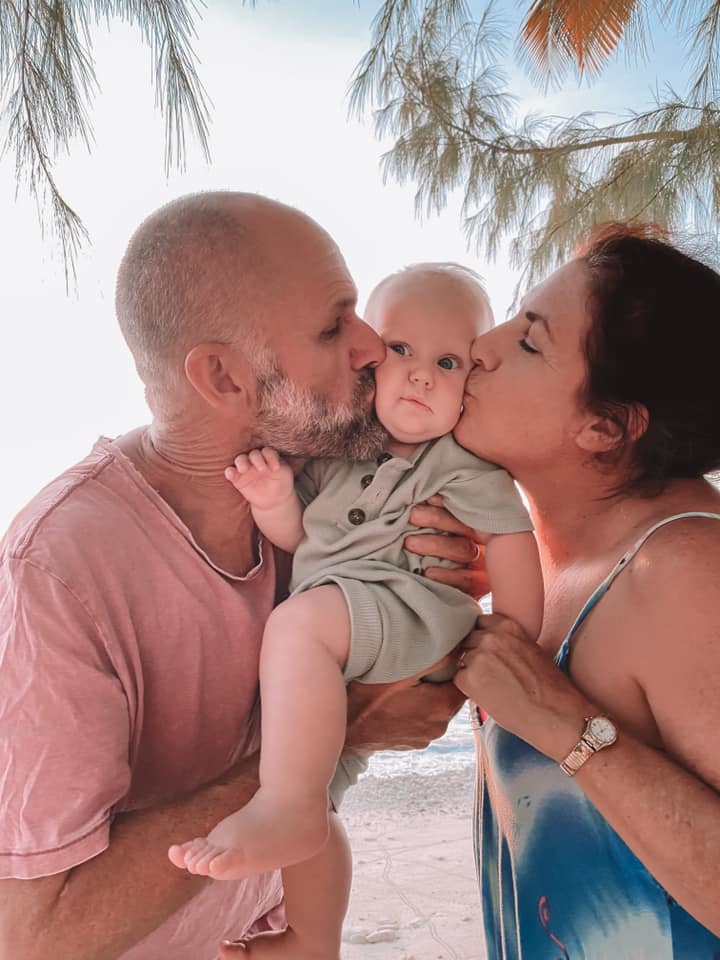
Cathy and Trevor with their grandson Rafi as part of the Enterprise for Kids family story
Cathy and Trevor with grandson Rafi — a beautiful reminder that the Enterprise for Kids journey is now moving into the next generation.

If you are new here, welcome. A good place to begin is with our Family Enterprise Stories, where you can get a feel for where it all began.

You might also enjoy exploring our Kids Business Ideas, Money Lessons for Kids and Our Enterprising Kids Today sections, especially if you are interested in how young entrepreneurs grow through everyday family life.

If you have been here before, thank you for coming back. We have missed this.

The best chapters are still ahead.

— Cathy and Trevor

Key Takeaway

Key takeaway: Young entrepreneurs do not appear overnight. They grow through small, real-world experiences that build confidence, creativity, responsibility, resilience and the belief that their ideas matter.

Explore More Enterprise for Kids Stories

Keep exploring: These pages will help you follow the Enterprise for Kids journey from the early family projects through to where our children are today.

Entrepreneurial Family: What We Talk About Around the Dinner Table

Kaitlin, Jai, Flynn, Amber and Tully relaxing by the sea on Cocos Islands as part of an entrepreneurial family story

An entrepreneurial family does not always teach enterprise through formal lessons. Sometimes the most powerful learning happens around the dinner table.

In our family, dinner often began with gratitude, a few stories from the day, and a celebration of what people had achieved. But quite often, the conversation would shift into business, money, social media, investing, websites, ideas and opportunities.

Flynn developing photography and filmmaking skills as part of an entrepreneurial family story
Film making and photography helped Flynn build confidence, creativity and a social media following.

Editor’s note: This article was originally written during an earlier stage of our family’s Enterprise for Kids journey and has been refreshed with updated formatting, links and reflections. Some examples are historical, but the bigger lesson is still very relevant: children learn a great deal from the conversations, questions and opportunities they grow up around.

What Does an Entrepreneurial Family Talk About?

What do you think the Howitts talk about around the dinner table?

It always begins with each member of the family sharing a gratitude. Usually the events of the day are told, small wins are noticed, and achievements are celebrated. But what often happens next is that topics of business, enterprise, finance and investing begin to govern the conversation.

That might sound unusual, but for us it became part of family life. We were not trying to lecture the children. We were simply talking openly about ideas, opportunities, risks, mistakes and what people were learning.

This is one of the quiet strengths of an entrepreneurial family. Children begin to hear the language of possibility. They hear adults and siblings talk about ideas, value, money, creativity, customers, digital skills and problem-solving. Over time, those conversations can shape the way children see the world.

Some of the topics around our family table have included social media opportunities, digital assets, eCommerce and online business. Let’s look at how these conversations can present opportunities for kids and teens to think more entrepreneurially.

How Social Media Became a Learning Opportunity

Our older children, Kaitlin, Jai, Flynn and Amber, all discovered social media when they were in their mid-teens. It started with Facebook, then Instagram, and later platforms such as TikTok and Snapchat.

They learned how to grow a real following by posting regular, quality content about their lives, interests and adventures. It probably helped that we were living on a tropical island atoll in the middle of the Indian Ocean. Photos and videos from Cocos Islands always looked pretty fabulous, and those early creative skills helped shape things like Flynn’s photography and creative work.

Kaitlin creating inspirational workshops and enterprise opportunities through social media and connection
Creating workshops and connecting with people became part of Kaitlin’s enterprise journey.

As their following grew, so did their opportunities for enterprise. It began with simple things like shoutouts. Other people or companies would pay them to mention a product, page or service in a post. This helped those people grow their followers or promote what they were offering, and our enterprising kids were happy for the cash.

Next came real products. Companies sent clothing, watches, surf gear and jewellery for them to wear and share on their accounts. The kids were able to keep the gear, and in some cases they were also paid for the promotion.

Looking back, this was an early lesson in digital entrepreneurship. The children were learning that attention, trust, creativity and consistency could create opportunities. They were also learning that a following is not just about numbers. It is about connection, value and communication.

Turning Digital Skills Into Real Business

As time went by and their social media followings grew, their creative ideas began to grow as well. Bigger opportunities started to appear.

Jai beginning his digital enterprise journey from his bedroom as part of an entrepreneurial family
Jai building digital skills from his bedroom in the early days of his enterprise journey.

Kaitlin, along with Tully, began building multiple streams of income using social media, connection and online platforms. Their work included coaching, network marketing and online courses.

Jai took a few years to build momentum, but his early interest in social media and content creation eventually became a real business path. He began creating content for clients and using his digital skills to generate leads and opportunities.

That is one of the things I find interesting as a parent. The small things children play with, practise and explore as teenagers can become the early foundations for future work.

Jai standing in his warehouse after growing his digital content and media business
Jai’s early digital interests eventually grew into real business opportunities.

An entrepreneurial family does not need to have all the answers. What matters is creating an environment where children are allowed to explore ideas, test things, ask questions and see real examples of enterprise in action.

That connects closely with our broader reflections on how to raise entrepreneurial kids. Children do not only need theory. They need conversations, experiments, encouragement and real-world opportunities.

Talking About Crypto and Digital Assets Carefully

Another topic that entered our family conversations was crypto. You would have heard about Bitcoin, but many people still do not fully understand what it is, how it works, or why people are interested in it.

For our family, the useful part of the conversation was not “everyone should buy crypto”. It was the opportunity to talk about technology, risk, research, hype, long-term thinking and the difference between speculation and investing.

Important note: This section is not financial advice. Crypto assets are volatile and risky. This article is simply reflecting on how one family used the topic as a learning conversation about technology, money and decision-making.

In simple terms, Bitcoin is a digital asset built on blockchain technology. It was created in 2008 and has a limited supply. People are interested in it for many reasons, including decentralisation, borderless transactions, digital scarcity and the potential of blockchain technology.

But the more important family lesson was this: children and teens need to learn how to think, not just what to buy.

When topics like crypto come up, parents can ask useful questions:

  • What problem is this technology trying to solve?
  • Who benefits if people buy into it?
  • What could go wrong?
  • Is this investing, speculation, gambling or learning?
  • What would proper research look like?
  • How much risk is too much?

Those are powerful dinner table questions. They help children think about risk, evidence, emotions and decision-making. That is far more valuable than simply telling them something is good or bad.

This also links with our article on financial education for kids, where we explore how children can begin to think about assets, liabilities and wiser money choices.

eCommerce and Website Building at Home

Another topic we explored as a family was eCommerce and website building. We were learning how websites could be built, improved, monetised and sometimes bought or sold as digital assets.

Websites can be monetised in many ways. Some common methods include affiliate marketing, advertising, directory listings, services, digital products and online courses.

For enterprising kids and teens, the bigger lesson is not that every child should rush out and build a website. The lesson is that digital skills matter.

When a young person learns how websites work, they begin to understand:

  • how online businesses attract attention
  • how content can create value
  • how products and services are sold online
  • how audiences are built
  • how digital assets can be improved over time
  • how creativity, writing, design and technology can work together

At the time of the original article, some of the younger Howitt kids were building websites. Amber had started a site about sustainable period products. Chayse had bought a site called Baby Client and was working on improving it. Other projects were still a work in progress.

Some of those early projects worked. Some did not. But every one of them created learning.

That is the value of an entrepreneurial family. The goal is not to make every child successful at every idea. The goal is to build initiative, curiosity, problem-solving and the courage to keep learning.

What Parents Can Learn From an Entrepreneurial Family

Our dinner table conversations may be a little different to the average family. We gain inspiration from one another through these conversations and through mentors who support us on our entrepreneurial journeys.

We are building skills, gaining knowledge, creating assets and, most of all, strengthening a mindset for enterprise.

If you want to encourage more enterprise in your own family, you do not need to start with a big business idea. Start with better conversations.

You might ask your children:

  • What problem did you notice today?
  • What could make that easier, better or more useful?
  • What skill would you like to learn?
  • What do people already ask you for help with?
  • What could you create, sell, improve or share?
  • What does this teach us about money, value or responsibility?

Those questions help children see the world differently. They begin to notice opportunity. They begin to understand value. They begin to realise that enterprise is not just something adults do. It is a way of thinking.

Key takeaway: An entrepreneurial family can use everyday conversations about business, money, digital skills, investing and ideas to help children build confidence, curiosity and real-world enterprise. The dinner table can become one of the most powerful classrooms in the home.

Enterprise for Kids Team: We Are Back

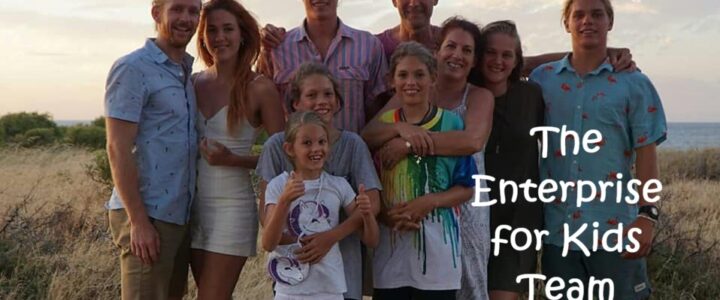
The Enterprise for Kids team family photo

Yes, the Enterprise for Kids team is still here!

Hello friends and followers,

Would you believe it has been nearly four years since our last post?

Our “little” kids are not so little anymore. Kaitlin and Jai are 20 and 18 and have left school. Flynn and Amber are 16 and 14 and are studying at high school, and our three babies — Kit, Chayse and Akaisha — are 10, 8 and 5.

Enterprise for Kids team photo of the Howitt family
The Enterprise for Kids team — the Howitt family, still learning, growing and continuing their entrepreneurial journey.

The Howitt clan household is intact and, would you believe it, still on our entrepreneurial journey.

There is so much to catch up on with our family’s activities. Too much for one small update post.

Over time, we will revisit each of our children and look at what they have been doing and what they have learnt. We will share their successes, but we will also share the tough lessons, because that is where so much of the real learning happens.

We are also excited to share our latest enterprising projects and continue building this collection of real family stories about children learning enterprise, money, responsibility, creativity and confidence.

This has always been at the heart of Enterprise for Kids. We believe children learn a great deal through real conversations, small projects, family enterprise, money lessons and opportunities to have a go. That links closely with the kind of everyday money conversations encouraged by MoneySmart’s guide to teaching kids about money.

So stay tuned for the next chapter in the Howitt clan’s entrepreneurial journey.

You might enjoy looking back at little Amber from five years ago when she embarked on her Money Bunny enterprising project.

Key takeaway: The Enterprise for Kids team is back. Our children are growing, our family is still learning, and the next chapter of our entrepreneurial journey is ready to unfold.

Business Ideas for Young Entrepreneurs: Burekup Fair Success

Chayse making a sale at the Burekup Fair as one of the business ideas for young entrepreneurs

Business ideas for young entrepreneurs come alive when children have the chance to prepare products, talk to customers, handle money and experience the excitement of making real sales.

The day of the Burekup Country Fair started with a mad rush. Seven enterprising kids needed to be ready and set up down at the Burekup Country Club grounds by 8.30am. It required four trips with a trailer carrying tables, pram, signs, eskies, TV, banners and all the products we planned on selling.

Amber and Flynn with Fish in a Bottle showing business ideas for young entrepreneurs
Amber and Flynn with their Fish in a Bottle idea.

Business Ideas for Young Entrepreneurs at the Burekup Fair

On arriving at the Burekup Fair, we discovered that someone else had set up in our designated spot. We milled around waiting until the problem was sorted, and once a new space was allocated, we busied ourselves with setting up.

A very strong easterly wind challenged us with erecting banners and keeping tablecloths on the tables. It was obviously going to be a hot day. Thankfully, the red gum trees overhead would keep us in shade all day.

Bargain hunters were quick to do the rounds of the stalls well before we were ready. While we were still trying to set things up, people were already asking questions and making purchases. We will have to be better prepared for this next time round!

Amber with succulents as one of the kids business ideas at Burekup Fair
Amber and her succulents.
Enterprising kids making a sale at the Burekup Fair
…and making a sale.

The kids’ anticipation and the joyful growing crowd created an air of excitement. It was a real country fair without all the commercial jazz that you see at many fairs today.

Visitors and locals first joined in with the Australia Day barbecue breakfast. Following the brekky, the crowd moved on to all the stalls and activities. There were old machinery displays, a free bouncy castle and water slide, a dunk tank, fairy floss, pat-the-animals, thong-throwing contests, face painting, and people selling their wares — from homemade fudge, plants and toys to live pigs, chickens and crafts.

Other enterprising kids were also selling their toys, bikes, clothes and things they had made. It was the perfect place to see business ideas for young entrepreneurs being tested in a real community setting.

Setting Up Business Ideas for Young Entrepreneurs at a Kids Market Stall

A market stall is a wonderful way for children to test their ideas in the real world. It gives them the chance to see whether people are interested, practise talking to customers, learn how to display products, and understand that business is about far more than simply having something to sell.

The Australian Government’s business.gov.au page on market stalls explains that a market stall is a temporary structure used to sell products or services, and that stallholders may need to think about registrations, permits, food safety, insurance and other requirements. Read more about setting up a market stall here.

For children, the lesson can start simply:

  • What are we selling?
  • Who might want to buy it?
  • How should we display it?
  • What price should we charge?
  • How do we speak confidently to customers?
  • How do we count money and work out profit?
Kids market stall set up with business ideas for young entrepreneurs at the Burekup Country Fair
All set ready for the customers!

Novelty Products and Business Ideas for Young Entrepreneurs

Having a novelty product is one of the keys to drawing interest, and we had the perfect product.

Flynn and Amber’s “Fish in a Bottle” were an absolute hit. Kids came from everywhere dragging their parents over to look at the fish. Once at our stall, we were able to show them our other items too.

This was a powerful business lesson. Sometimes one unusual product can bring people closer, start conversations and help customers notice the rest of what is on offer.

Fish in a Bottle products waiting to be sold at a kids market stall
Products waiting to be sold.

Learning to Ask for the Sale

Chayse soon got the hang of it. Whenever a customer wandered past, he would hold up a lolly bag and ask if they would like to buy one.

Many people bought lollies from him simply because he had asked. How can you refuse a little five-year-old?

There was another little boy walking around selling his mum’s homemade fudge. He was not shy in coming forward and asking customers if they would like to make a purchase. Talking to his dad later in the day, he said that his son had sold more fudge walking around than they had sold at their stall.

I guess there is a lesson in that.

For young entrepreneurs, learning to politely ask is powerful. It builds confidence, communication skills and resilience. It also teaches children that customers often need a friendly invitation before they buy.

Customers, Money and Confidence

It was not long before we had customers coming in their droves. Talking with customers, handling money and recording on a pad what was sold all kept the kids on their toes.

Taking turns to man the stall allowed each of us time to catch up with friends and also spend some of the takings at the fair.

Kaitlin's Eye heART display as a creative business idea for young entrepreneurs
Kaitlin’s EYE heART on display.
Customers admiring Kaitlin's artwork at the Burekup Fair
…customers admiring her work!

Our enterprising kids were very happy with their results. Each was able to sell products and make a profit.

Flynn’s Howitt’s Honey was very popular and sold very well. Kit and Chayse sold about half their lolly bags and, due to the hot day, Jai’s icy-poles also sold well. Jai made a profitable sale with his exercise equipment. Amber sold succulents. Kaitlin received commissions for her Eye heART artwork. And, of course, the Fish in a Bottle sold well.

Making Sales Turns Business Ideas for Young Entrepreneurs Into Real Learning

This is where business ideas for young entrepreneurs become real learning.

It is one thing to imagine a business. It is another thing entirely to prepare the product, take it to a fair, display it, speak to customers, handle money, record sales, pay back costs and work out profit.

Those are real lessons.

Jai manning the stall with his exercise equipment at the Burekup Fair
Jai manning the stall with his exercise equipment.
Flynn selling unpasteurised honey as a young entrepreneur
Flynn selling his unpasteurised honey.

Cath and I also had a terrific result with our own stall. This was the first time we had put ourselves out there with our new business in the local community, and it allowed us to develop our own self-efficacy too. We spoke with many interesting people and learned a lot about their lives and interests.

By the end of the day, we were exhausted.

Celebrating Success Builds Self-Efficacy

It was important to celebrate our success because this is vital in fostering self-efficacy around being entrepreneurial kids.

The kids counted the takings and divided the money up. They then paid any debts so they could work out their profits. Each received congratulations and a hug for being successful enterprising kids.

Akaisha enjoying one of Jai's icy poles at the Burekup Fair
Akaisha enjoying one of Jai’s icy-poles, mittens and all!
Cathy speaking with a customer at the Burekup Country Fair
Cathy explaining the health benefits of her product.

Many great lessons around financial education were learned on this day.

It is our hope that our kids continue to develop self-efficacy around being entrepreneurial, as we believe this will give them greater opportunities when they become adults.

Cathy talking with an interested customer at the Burekup Fair
Cathy talking with an interested customer.
Kit and Chayse selling lolly bags as a kids business idea Kit and Chayse selling lolly bags.

Finally, we would like to thank the Burekup Country Club, and in particular Sally and Jason Barnden and their team, for coordinating the fair.

Just as an added note, the day after the fair, five more Fish in a Bottle sold!

Where to Next?

Have your children ever tried a market stall, fair stall or small business idea? We would love to hear what they sold and what they learned along the way.

Marketing Lesson for Kids: Burekup Country Club Heats Up

Amber Flynn and Kit running a stall at the Burekup Country Fair as a marketing lesson for kids

Marketing lesson for kids sounds like something that belongs in a classroom, but for our family it came alive through fire, publicity, product preparation and the Burekup Australia Day Fair.

Last week there was both fear and excitement in the small township of Burekup. The Burekup Country Club had been on fire, and for a moment it looked as though the Burekup Australia Day Fair might even be cancelled. Thankfully, the fire crew put the fire out before it caused too much damage or anyone was hurt.

What followed became a very real lesson in marketing, attention and opportunity for our enterprising kids.

Amber showing her product during a marketing lesson for kids at the Burekup Country Fair
Amber showing one of her products ready for the Burekup Country Fair.

A Marketing Lesson for Kids at the Burekup Country Fair

Once a year for Australia Day, Burekup hosts a fun family fair. Everyone in town usually comes along, together with people from the surrounding areas.

This year, the fair had a little more publicity than normal.

The local Burekup Country Club, which helps organise the event, had a fire that threatened to burn down the old wooden clubhouse and town hall. The newspaper heard about the near disaster and ran a story about the fire that almost sabotaged the Burekup Australia Day Fair.

Burekup Country Club hall before the Australia Day Fair marketing lesson for kids
Burekup Country Club Hall.

The newspaper story created concern and interest, and it also meant that many more people heard about the Burekup Fair.

Marketing a product, service or brand can be challenging, especially when you are still learning how to attract attention and explain its value. Even a very good product may struggle to sell if people do not know about it, understand what makes it useful or feel interested enough to buy it.

That is why this became such a useful marketing lesson for kids. Our children were not just making products. They were preparing to put those products in front of real people.

What Our Kids Learned About Marketing Their Products

Our enterprising kids have all been challenged with marketing their products and brands. Cathy and I have also been challenged with marketing when promoting events or selling our own products.

The Howitt family booked two stalls for the Burekup Australia Day Fair. One stall was for our enterprising kids to display and sell their products. The other was for Cathy and me to share information about our home business, as well as promote the Enterprise for Kids brand and blog.

Putting ourselves out there in our small community for the first time was a little confronting. Some people knew what we had been up to, but for many it was going to be a surprise.

Despite the challenge, we saw this as a chance to practise in readiness for bigger and better things to come.

Kids Business Ideas Prepared for the Burekup Fair

The fair gave each child a real opportunity to prepare, promote and sell something of their own. That is where a simple family event becomes powerful real-world learning.

Flynn had been preparing his raw, unprocessed honey under his brand, Howitt’s Honey. He had a fresh batch ready to sell, and he had also bought a good set of golf clubs for a very good price, which he intended to resell at the fair.

Flynn showing honey pots for his kids business idea at the Burekup Fair
Flynn showing his honey pots.
Honey jars bottled and ready for labels before the Burekup Country Fair
All bottled awaiting labels!

Kit and Chayse were preparing their lolly bag business. They bought, sorted and bagged lollies to sell. Chayse also had a small fish tank to sell, along with colourful guppies he had bred.

Kit and Chayse sorting lollies for a kids business idea at the Burekup Fair
Kit and Chayse sorting lollies.
Lolly bags ready to sell as part of a kids market stall
Lolly bags all set to be sold!

Amber’s Products and a Creative Marketing Lesson for Kids

Amber had been busy all year collecting succulents from people’s gardens. She artistically potted these up into all kinds of unusual pots, including large seashells, kettles and ceramic plant pots.

Amber watering succulents for her kids business idea at the Burekup Country Fair
Amber watering her succulents ready to be sold.

She and Flynn also planned to sell aquarium fish they had bred. They salvaged and cleaned large glass wine flagons, which made terrific fish bowls. They decided to market this product under the brand name “Fish in a Bottle”.

Fish in a Bottle product prepared for a marketing lesson for kids
Fish in a Bottle.
Fish in a Bottle product showing how kids can create unusual market stall ideas
Can you see the fish?

Amber also planned to sell selected items from her New from Old business, and she was putting together a Lucky Dip.

Jai and Kaitlin Prepare Their Own Enterprise Ideas

Jai was preparing to promote his “Hire a Teenager” service. He already had clients in Burekup who hired him to do work on their properties, such as mowing and window cleaning.

Jai also prepared a batch of frozen juice ice cups on sticks. He came up with some creative ideas to add value to his product. He was also considering promoting “Rent Exercise Equipment”, although this business idea was still in its infancy and may not have been quite ready to run.

Lastly, Kaitlin was preparing to promote her new brand, “Eye heART”. Akaisha was still a little young to have an enterprise of her own, but Kaitlin was ready to share her creative skills.

Being the creative one in the family, Kaitlin planned to sell her skills by painting the eye of clients from a photograph. Around the eye, she would also paint three things dear to them.

Jai showing icy poles prepared for the Burekup Country Fair market stall
Jai showing his icy poles.
Kaitlin's Eye heART creative business idea for kids
Kaitlin’s Eye heART.

This opportunity for us all to market our brands, services and products helped the Howitt clan develop self-efficacy around being entrepreneurial.

What Children Can Learn From a Real Marketing Plan

A good marketing lesson for kids does not need to be complicated. Children can begin by learning that marketing is about understanding who might want your product, why they might want it, and how you can show them its value.

The Australian Government’s business.gov.au marketing planning guidance explains that a marketing plan can help define a target market, choose messages and channels, set goals and evaluate whether marketing activities were successful. That is exactly the kind of thinking children can begin to practise with a simple market stall. Read more about developing a marketing plan here.

For our kids, the Burekup Fair raised practical questions:

  • Who would want to buy this product?
  • How should we display it?
  • What makes it interesting or different?
  • How much should we charge?
  • What story does the product tell?
  • How can we speak confidently to customers?

These questions are useful for any young entrepreneur.

Marketing, Emotion and Real-World Learning

Our mentor, Paul Counsel, had plenty to say about marketing. One of the ideas he shared was that people often respond to emotion before they respond to logic.

In simple terms, customers usually want to move away from a problem and toward a better result. A product, service or experience becomes more interesting when people can clearly see the difference it might make.

For children, this can be taught in a practical and age-appropriate way.

If they are selling honey, they can show that it is fresh, local and real.

If they are selling lolly bags, they can make them colourful, tidy and fun.

If they are selling succulents, they can show how each one has been creatively potted and cared for.

If they are selling a service, they can explain clearly how they can help someone.

This is where marketing becomes much more than advertising. It becomes communication.

A Fire, a Fair and a Marketing Lesson for Kids

Pain Island to Pleasure Island drawing used in a marketing lesson for kids
Just need the right ship to get them there!

Luckily, the fire did not burn down the club or spoil the Burekup Australia Day Fair.

But it certainly woke people up.

The fear that the fair might be cancelled created attention. The newspaper story created discussion. The near disaster gave people another reason to talk about the event. In an unexpected way, it became publicity.

That is not something anyone would wish for, of course. But it did show our kids something important: people pay attention when a story matters to them.

For our family, the fair became more than a day out. It became a real-world lesson in product preparation, branding, confidence, customer communication and marketing.

You can continue the story in our follow-up article, Business Ideas for Young Entrepreneurs: Burekup Fair Success, where we share what happened at the fair, what the children sold and the lessons they learned from real customers.

Where to Next?

We would love to hear from our readers. What marketing lesson for kids have you seen through a school fair, market stall or family business idea? Share your thoughts in the comment box below.