Young Entrepreneurs: What Happened to Our 7 Enterprising Kids

The Howitt family together in a recent photo for their young entrepreneurs story

Young entrepreneurs can grow from the smallest real-life moments: selling honey at a market stall, selling lolly bags at a soccer match, repairing and upselling a rabbit hutch, having business conversations at the dinner table, or dealing with real-life responsibility in a range of settings.

“`

It has been a while.

If you have been with us since the early days of Enterprise for Kids, you will know this site has always been a reflection of our family’s real life — the projects, the lessons, the experiments, the conversations around the dinner table, and the belief that children learn most deeply when they are given real experiences and real responsibility.

“`

Jai Kit Chayse and Akaisha goofing around on holiday on the Cocos Islands
Jai, Kit, Chayse and Akaisha enjoying a family holiday on the Cocos Islands.

Young Entrepreneurs: What Happened to Our 7 Enterprising Kids

We started this blog back in 2012 when our seven children were young. We shared about market stalls and honey businesses, kerb painting, goal setting, the value of leadership camps and all types of money lessons. We wrote about mindset, mentors, purpose, business ideas and the kind of life we were trying to build together as a family.

As you can imagine with seven kids, life got full. The kids grew up. The blog went quiet.

But we never stopped living the journey.

So, Here We Are Again! But Who Are We Exactly?

For those of you who are new here, we are Cathy and Trevor Howitt, parents of a large family from Western Australia, who have spent the better part of two decades asking one big question:

How do we raise children who are confident, creative, capable and free?

Not just free financially, but free in the way they think. Free to pursue something meaningful in their lives. Free to take a risk on an idea they believe in. Free to design a life rather than simply fall into one.

We are not perfect parents. Far from it! We have made plenty of mistakes along the way.

But we were always intentional. We surrounded our kids with mentors, conversations, real-world experiences and the unshakeable belief that they could shape their own path. Looking back, these were the early foundations that helped shape them into young entrepreneurs in very different ways.

Now, all these years later, we get to watch the proof of that walking around in the world. These are not just entrepreneur stories from somewhere else. These are the stories that grew out of our own home, our own questions and our own family entrepreneurship journey.

Young Entrepreneurs Australia: Our Kids Are Grown Now

As mentioned earlier, we wrote regularly on this blog when our kids were young, ranging in age from 18 months to 17 years. We followed and documented their journeys.

Then life became busy with everyday parenting, working, living in beautiful locations and growing our own side hustles.

Again, the blog went quiet.

But we were always inspired by how our kids showed up as young people in this world, and as they grew, what they were up to in their professional and personal lives.

We picked up the pen briefly again in 2021. The last entry written was when Kaitlin was nearly in her mid-twenties working online, Jai was in his early twenties with a warehouse and big dreams, Flynn and Amber were looking into UGC content to generate extra income, Kit and Chayse were in high school, and our youngest, Akaisha, was in primary school.

Life became busy once again, so priorities changed. But the lessons didn’t. Our kids continued to grow and change, develop their own tastes in what life had to offer, pursue their own dreams, or push them aside until it was time to pick them up again.

And our blog was much the same. It has been a dream to document and share our family’s journey, and now is the time to pick it up again and share what has been happening in those intervening years.

And here we are.

Today, our seven children range in age from 15 to 29. The stories they are living now are better than anything we could have scripted. Not because they are all success stories living a true entrepreneurship lifestyle, but because our children are human, living in an unpredictable world, experiencing success, failure and everything in between.

Some are building businesses as young entrepreneurs in the entrepreneur space. Some are creating art, writing and music. Some are exploring digital entrepreneurship, content, apps, leadership and community. All of them are still learning, stretching, succeeding, failing, succeeding again, but most importantly, finding their own way.

That is the part we love the most. We did not raise seven identical children. We raised seven individuals. And each of them is showing us that young entrepreneurs do not all look the same. Some are loud and visible. Some are quiet and creative. Some build companies. Some build communities. Some build stories, songs and ideas, and some are building futures not even thought of yet.

The Short Version of Our Seven Young Entrepreneurs

Kaitlin (29)
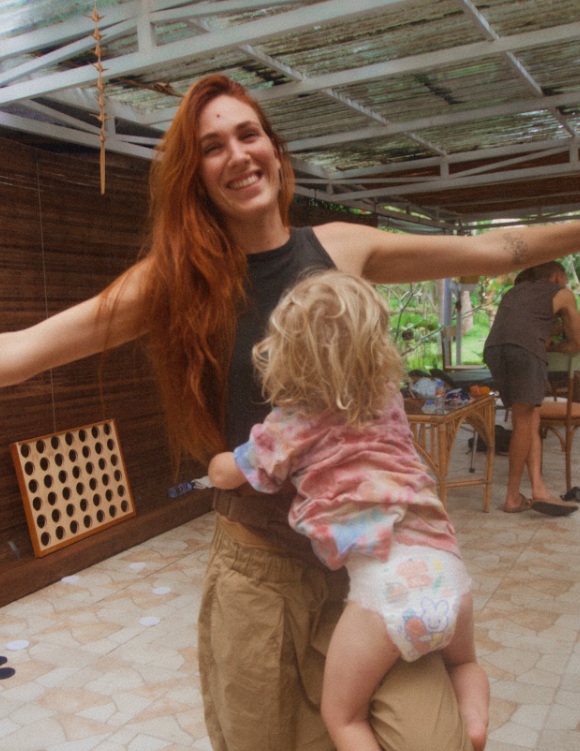
Kat Howitt as part of the Enterprise for Kids young entrepreneurs story
Kat has followed her own creative path through motherhood, community, writing, self-development and women’s connection.

Kaitlin has become a mother to two beautiful little boys, which makes us very proud grandparents. She has spent her adult life as an entrepreneur, running online courses, building communities, and pursuing her deep passion for creativity, women’s connection and self-development. She writes poetry, publishes on Substack, and her next chapter involves building retreats for women.

She has always followed her heart, no matter what that looks like to the outside world. She is deeply obsessed with finding out who she truly is in all the social constructs of our society and experiences it all — the good, the bad and the ugly.

Kaitlin was the child who walked to the beat of her own drum and, quite often, the drum we were beating as parents was a different rhythm to hers. But it is amazing how the rhythm of two drums can sound good together, and we can say with certainty, Kaitlin has also been one of our greatest teachers, and us hers.

Jai (28)

Jai Howitt as part of the Enterprise for Kids young entrepreneurs story
Jai has built Art of Mondays into a global community for entrepreneurs, founders and creative thinkers.

Jai has built something genuinely remarkable. His business, Art of Mondays, or AOM for short, is a multi-million-dollar community for entrepreneurs. He runs residencies in beautiful locations around the world where founders gather to connect, collaborate and grow together.

He has written a book, acquired businesses, and travelled the globe doing what he loves. He left school unsure of his direction. He has been wildly successful, failed miserably, shaken himself off and continued building success again on this entrepreneurial journey.

True to form, and never resting on his laurels, Jai has a burning desire to build something bigger than himself. His fuel is to make a positive difference to others. He has found his path and follows it. Much like a hummingbird searching for nectar, Jai is willing to change direction when needed and bring life’s lessons with him.

Flynn (26)

Flynn Howitt as part of the Enterprise for Kids young entrepreneurs story
Flynn has grown into a creative connector, working across community, content, crypto education, photography and videography.

Flynn is the connector and the creative. He works closely with Jai on AOM in the sales team, but also runs his own crypto trading and education community. He creates UGC content and teaches others to do the same.

Flynn’s passion for photography and videography has opened him to many opportunities, all involving brand deals and travel. He has always found a way to be involved in whatever is interesting, whatever is a growing trend and whatever is full of possibility.

But more importantly, Flynn does what makes him feel happy. In a world where so many are in jobs they hate, working in systems that don’t serve them, it is refreshing to see a young person full of life, willing to take on challenges, but not at the sacrifice of what brings him joy.

There’s a lesson in that for everyone.

Amber (24)

Amber Howitt as part of the Enterprise for Kids young entrepreneurs story
Amber is building a creative life through writing, poetry, music and quiet, consistent commitment to her craft.

Amber left school not really being clear on the direction she wanted to take, only that it would involve writing and being creative.

Making money has been a means to an end, allowing her time to grow into how she wants to show up in this world. She has dabbled in many pursuits whilst honing her craft as a barista. She has travelled Australia, created UGC content for extra income and is currently writing her first novel.

Amber also writes poetry on Substack and makes beautiful music when her soul feels inspired. She is working quietly and consistently on the creative life she has always wanted.

Amber reminds us that success does not have to look loud to be real. Sometimes the most important work happens quietly, consistently and with deep commitment.

Kit (20)

Kit Howitt as part of the Enterprise for Kids young entrepreneurs story
Kit’s path has been shaped by adventure, outdoor education, leadership, real-world learning and practical enterprise.

Kit loves adventures and pushing himself out of his comfort zone. It probably came as no surprise to us that he took on jobs that involved outdoor pursuits.

His certificates in Business, Outdoor Education and Sport and Recreation have all contributed to allowing him this lifestyle. He is currently in the United States in a leadership role at a summer camp in North Carolina.

He has always been someone who learns by doing and experiencing things firsthand. To earn money to get himself to America, he started his own window cleaning business where he quickly built up a client base.

His path shows how real-world learning can build confidence, adaptability and practical skill.

Chayse (18)

Chayse Howitt as part of the Enterprise for Kids young entrepreneurs story
Chayse has chosen a digital path, building websites, apps, AI projects and creative business opportunities.

Chayse finished high school last year with great ATAR results, and whilst others around him were gearing up for university, he has chosen a different path. He has barely paused for breath before building a range of digital products for clients.

Chayse has bought and sold websites, created apps, taught himself all about AI, and is currently being considered for a role managing a team of content creators at a startup doing serious numbers.

At 18, the Candy Man is growing up.

But what really impresses us about Chayse is his ability to back himself. Even if he hasn’t quite got the experience or know-how, he is resourceful enough to find out and upskill himself in his pursuit and journey of being a young entrepreneur.

Akaisha (15)

Akaisha Howitt as part of the Enterprise for Kids young entrepreneurs story
Akaisha is already finding her voice through writing, music, digital art, Substack and creative uses of AI.

Akaisha is still at school and is inspired daily by what she sees her siblings achieve and pursue in their lives. She was only a toddler when we created Enterprise for Kids, but the lessons in our blog are just as relevant today as they were all those years ago.

Fundamentals don’t change, but the opportunities and technology have expanded beyond anything we could have comprehended 15 years ago. In some ways, Akaisha will have opportunities the others could only dream of, but in that fast-paced world also lie challenges.

Navigating them all is a journey she is currently on.

Akaisha is already writing short stories, playing music, creating digital art in Procreate and exploring how AI might help her develop an app for writers to tell better stories. She also publishes on Substack.

Akaisha is fifteen and already finding her voice.

What Raising Young Entrepreneurs Really Taught Us

Looking back, the honey businesses, lolly bags, market stalls and money lessons were never only about money. They were about confidence. They were about courage. They were about helping children realise they could have an idea, take intentional action, solve a problem, communicate with people, handle mistakes and try again.

That is why Enterprise for Kids has always been about more than business. It is about raising children who can think, create, adapt and contribute. It is about helping children understand that they do not have to wait until adulthood to practise responsibility, leadership, creativity and initiative.

When people talk about young entrepreneurs, they often imagine a child making a lot of money or launching a flashy business. But for us, the deeper goal was always broader than that. We wanted our children to feel capable in the world. We wanted them to see opportunity. We wanted them to know that ideas matter, effort matters, relationships matter and courage matters.

That is the real story behind teaching our family entrepreneurship values. We were trying to raise kids who could meet life with imagination, confidence and purpose, and if it suited their nature, to do it in an entrepreneurial way.

For families wanting to start those conversations early, the Australian Government’s MoneySmart guide to teaching kids about money is a useful resource for making money part of everyday family life.

Why We Are Sharing These Young Entrepreneur Stories

We have been talking about relaunching this site for a while, and the timing finally feels right.

Trevor has been working hard behind the scenes rebuilding and updating the site, making it easier to navigate and better to read. That work is nearly done. And we have so much to share.

Over the coming months, we want to do something we have never quite done before: go back and connect the dots. We want to show you not just what we did with our kids when they were young, but what those early lessons actually led to today.

We want to tell each of their stories properly: the ventures, the mindset shifts, the failures, the wins, and the moments where you could see everything clicking into place.

We also have some new projects of our own to share when the time is right. But for now, this is us, saying hello again.

Where to Start If You Are New Here
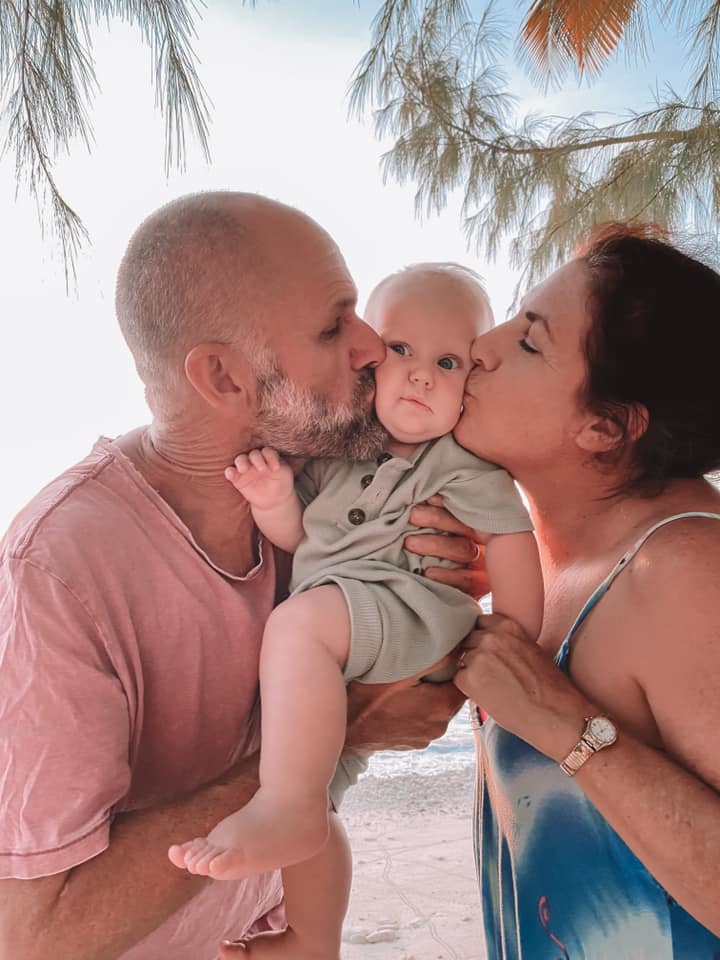
Cathy and Trevor with their grandson Rafi as part of the Enterprise for Kids family story
Cathy and Trevor with grandson Rafi — a beautiful reminder that the Enterprise for Kids journey is now moving into the next generation.

If you are new here, welcome. A good place to begin is with our Family Enterprise Stories, where you can get a feel for where it all began.

You might also enjoy exploring our Kids Business Ideas, Money Lessons for Kids and Our Enterprising Kids Today sections, especially if you are interested in how young entrepreneurs grow through everyday family life.

If you have been here before, thank you for coming back. We have missed this.

The best chapters are still ahead.

— Cathy and Trevor

Key Takeaway

Key takeaway: Young entrepreneurs do not appear overnight. They grow through small, real-world experiences that build confidence, creativity, responsibility, resilience and the belief that their ideas matter.

Explore More Enterprise for Kids Stories

Keep exploring: These pages will help you follow the Enterprise for Kids journey from the early family projects through to where our children are today.

Entrepreneurial Family: What We Talk About Around the Dinner Table

Kaitlin, Jai, Flynn, Amber and Tully relaxing by the sea on Cocos Islands as part of an entrepreneurial family story

An entrepreneurial family does not always teach enterprise through formal lessons. Sometimes the most powerful learning happens around the dinner table.

In our family, dinner often began with gratitude, a few stories from the day, and a celebration of what people had achieved. But quite often, the conversation would shift into business, money, social media, investing, websites, ideas and opportunities.

Flynn developing photography and filmmaking skills as part of an entrepreneurial family story
Film making and photography helped Flynn build confidence, creativity and a social media following.

Editor’s note: This article was originally written during an earlier stage of our family’s Enterprise for Kids journey and has been refreshed with updated formatting, links and reflections. Some examples are historical, but the bigger lesson is still very relevant: children learn a great deal from the conversations, questions and opportunities they grow up around.

What Does an Entrepreneurial Family Talk About?

What do you think the Howitts talk about around the dinner table?

It always begins with each member of the family sharing a gratitude. Usually the events of the day are told, small wins are noticed, and achievements are celebrated. But what often happens next is that topics of business, enterprise, finance and investing begin to govern the conversation.

That might sound unusual, but for us it became part of family life. We were not trying to lecture the children. We were simply talking openly about ideas, opportunities, risks, mistakes and what people were learning.

This is one of the quiet strengths of an entrepreneurial family. Children begin to hear the language of possibility. They hear adults and siblings talk about ideas, value, money, creativity, customers, digital skills and problem-solving. Over time, those conversations can shape the way children see the world.

Some of the topics around our family table have included social media opportunities, digital assets, eCommerce and online business. Let’s look at how these conversations can present opportunities for kids and teens to think more entrepreneurially.

How Social Media Became a Learning Opportunity

Our older children, Kaitlin, Jai, Flynn and Amber, all discovered social media when they were in their mid-teens. It started with Facebook, then Instagram, and later platforms such as TikTok and Snapchat.

They learned how to grow a real following by posting regular, quality content about their lives, interests and adventures. It probably helped that we were living on a tropical island atoll in the middle of the Indian Ocean. Photos and videos from Cocos Islands always looked pretty fabulous, and those early creative skills helped shape things like Flynn’s photography and creative work.

Kaitlin creating inspirational workshops and enterprise opportunities through social media and connection
Creating workshops and connecting with people became part of Kaitlin’s enterprise journey.

As their following grew, so did their opportunities for enterprise. It began with simple things like shoutouts. Other people or companies would pay them to mention a product, page or service in a post. This helped those people grow their followers or promote what they were offering, and our enterprising kids were happy for the cash.

Next came real products. Companies sent clothing, watches, surf gear and jewellery for them to wear and share on their accounts. The kids were able to keep the gear, and in some cases they were also paid for the promotion.

Looking back, this was an early lesson in digital entrepreneurship. The children were learning that attention, trust, creativity and consistency could create opportunities. They were also learning that a following is not just about numbers. It is about connection, value and communication.

Turning Digital Skills Into Real Business

As time went by and their social media followings grew, their creative ideas began to grow as well. Bigger opportunities started to appear.

Jai beginning his digital enterprise journey from his bedroom as part of an entrepreneurial family
Jai building digital skills from his bedroom in the early days of his enterprise journey.

Kaitlin, along with Tully, began building multiple streams of income using social media, connection and online platforms. Their work included coaching, network marketing and online courses.

Jai took a few years to build momentum, but his early interest in social media and content creation eventually became a real business path. He began creating content for clients and using his digital skills to generate leads and opportunities.

That is one of the things I find interesting as a parent. The small things children play with, practise and explore as teenagers can become the early foundations for future work.

Jai standing in his warehouse after growing his digital content and media business
Jai’s early digital interests eventually grew into real business opportunities.

An entrepreneurial family does not need to have all the answers. What matters is creating an environment where children are allowed to explore ideas, test things, ask questions and see real examples of enterprise in action.

That connects closely with our broader reflections on how to raise entrepreneurial kids. Children do not only need theory. They need conversations, experiments, encouragement and real-world opportunities.

Talking About Crypto and Digital Assets Carefully

Another topic that entered our family conversations was crypto. You would have heard about Bitcoin, but many people still do not fully understand what it is, how it works, or why people are interested in it.

For our family, the useful part of the conversation was not “everyone should buy crypto”. It was the opportunity to talk about technology, risk, research, hype, long-term thinking and the difference between speculation and investing.

Important note: This section is not financial advice. Crypto assets are volatile and risky. This article is simply reflecting on how one family used the topic as a learning conversation about technology, money and decision-making.

In simple terms, Bitcoin is a digital asset built on blockchain technology. It was created in 2008 and has a limited supply. People are interested in it for many reasons, including decentralisation, borderless transactions, digital scarcity and the potential of blockchain technology.

But the more important family lesson was this: children and teens need to learn how to think, not just what to buy.

When topics like crypto come up, parents can ask useful questions:

  • What problem is this technology trying to solve?
  • Who benefits if people buy into it?
  • What could go wrong?
  • Is this investing, speculation, gambling or learning?
  • What would proper research look like?
  • How much risk is too much?

Those are powerful dinner table questions. They help children think about risk, evidence, emotions and decision-making. That is far more valuable than simply telling them something is good or bad.

This also links with our article on financial education for kids, where we explore how children can begin to think about assets, liabilities and wiser money choices.

eCommerce and Website Building at Home

Another topic we explored as a family was eCommerce and website building. We were learning how websites could be built, improved, monetised and sometimes bought or sold as digital assets.

Websites can be monetised in many ways. Some common methods include affiliate marketing, advertising, directory listings, services, digital products and online courses.

For enterprising kids and teens, the bigger lesson is not that every child should rush out and build a website. The lesson is that digital skills matter.

When a young person learns how websites work, they begin to understand:

  • how online businesses attract attention
  • how content can create value
  • how products and services are sold online
  • how audiences are built
  • how digital assets can be improved over time
  • how creativity, writing, design and technology can work together

At the time of the original article, some of the younger Howitt kids were building websites. Amber had started a site about sustainable period products. Chayse had bought a site called Baby Client and was working on improving it. Other projects were still a work in progress.

Some of those early projects worked. Some did not. But every one of them created learning.

That is the value of an entrepreneurial family. The goal is not to make every child successful at every idea. The goal is to build initiative, curiosity, problem-solving and the courage to keep learning.

What Parents Can Learn From an Entrepreneurial Family

Our dinner table conversations may be a little different to the average family. We gain inspiration from one another through these conversations and through mentors who support us on our entrepreneurial journeys.

We are building skills, gaining knowledge, creating assets and, most of all, strengthening a mindset for enterprise.

If you want to encourage more enterprise in your own family, you do not need to start with a big business idea. Start with better conversations.

You might ask your children:

  • What problem did you notice today?
  • What could make that easier, better or more useful?
  • What skill would you like to learn?
  • What do people already ask you for help with?
  • What could you create, sell, improve or share?
  • What does this teach us about money, value or responsibility?

Those questions help children see the world differently. They begin to notice opportunity. They begin to understand value. They begin to realise that enterprise is not just something adults do. It is a way of thinking.

Key takeaway: An entrepreneurial family can use everyday conversations about business, money, digital skills, investing and ideas to help children build confidence, curiosity and real-world enterprise. The dinner table can become one of the most powerful classrooms in the home.

Kids Biz Program- (by Amber)

Kids business ideas through a kerb painting program for children

Kids business ideas become much more powerful when children are given the chance to take action in the real world. This Kids Biz Program challenge gave our family a practical way to learn about entrepreneurship, confidence, problem-solving and making money through effort and initiative.

What started as a simple $20 challenge turned into a kerb painting business, more than 60 presold jobs, and a real-life lesson in enterprise.

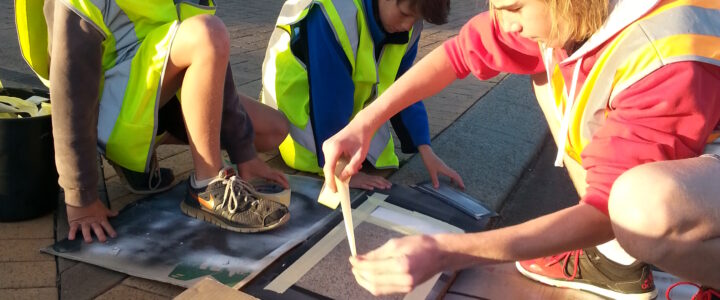
Kids business ideas in action with Flynn and Amber kerb painting
Flynn and Amber kerb painting as part of the Kids Biz Program.

Kids Business Ideas in Action

We are currently involved in a Kids Biz Program. The program teaches young people, and their parents, about the traits of successful entrepreneurs. It also helps children understand the practical methods and the mindset needed to become more successful, more confident and more open to new ideas.

This is exactly the kind of real-world learning we love at Enterprise for Kids. Children learn so much when they are given the chance to test ideas, solve problems, speak to people, handle money and take responsibility for a project.

A wise man once said:

“The most successful people in life are the ones who ask questions. They’re always learning. They are always growing. They are always pushing.”

This quote from Robert Kiyosaki, author of Rich Dad Poor Dad, best sums up what my family and I have been doing through the Kids Biz Program. You can learn more about his work through Rich Dad.

Kids Business Ideas Monthly Challenge

Every month, the program sets a challenge that encourages us to take the skills we have learnt and apply them to real-life situations.

In August, our challenge was to take $20 and create a business that would earn a profit. To win the challenge, we had to make the most money from our $20.

This made the challenge much more than a classroom activity. It became a real test of creativity, planning, teamwork and courage.

Our Kerb Painting Kids Business Idea

Kit painting a kerb number as part of a kids business idea
Kit putting the final touches on a kerb number.

Naturally, my family was slow to get started. We kept circulating ideas but not actually taking action. Eventually, we came up with one idea that stuck — and from there, it exploded.

Our idea was to paint house numbers on kerbs. This would help visitors, family members and even emergency services find homes more easily.

It was a simple idea, but that is often what makes the best kids business ideas work. The business solved a real problem, was affordable to start, and could be explained clearly to customers.

From a $20 Challenge to Real Profit

We did our fair share of research and planning, and then we took action.

In just five days, we presold over 60 kerb paintings, giving us a profit of about $1000.

Amazingly, we won the challenge for the month. We then spent September painting kerbs and completing the jobs we had sold.

It has been an awesome experience so far, and I swear my artistic ability has improved!

What Kids Can Learn from Business Ideas Like This

This kerb painting challenge taught us much more than how to make money. It helped us learn real enterprise skills, including:

  • coming up with a practical business idea
  • starting with a small amount of money
  • researching and planning before taking action
  • talking to customers
  • preselling a service
  • working as a team
  • following through and completing the job
  • building confidence through real experience

These are the kinds of lessons that help children grow into capable, resourceful and confident young people.

Why Real Kids Business Ideas Matter

When children are given the chance to run small businesses, they learn in a way that feels exciting and meaningful. They are not just reading about entrepreneurship — they are experiencing it.

Also, they learn that ideas need action. They learn that money is connected to service, value and effort. They learn that confidence grows when they step outside their comfort zone and try something real.

This is why family enterprise stories are such an important part of our website. They show how ordinary moments can become powerful lessons in initiative, responsibility and resilience.

You may also enjoy reading Honey Pot of Gold, another real family enterprise story about Flynn’s honey business, or Financial Education for Kids: Teaching Assets and Liabilities, which explores how children can learn about money through real-life experience.

More Kids Biz Program Adventures Coming Soon

I’m really excited to share our Kids Biz Program September challenge with you. I’ll tell you all about that in my next post.

We also invite you to like our Enterprise for Kids Facebook page.

Key takeaway: Kids business ideas do not need to be complicated. With a small amount of money, a practical idea and the courage to take action, children can learn powerful lessons about entrepreneurship, confidence and real-world responsibility.

Where to Next?

If you enjoyed this family enterprise story, you may also like:

Enterprise for Kids Team: We Are Back

The Enterprise for Kids team family photo

Yes, the Enterprise for Kids team is still here!

Hello friends and followers,

Would you believe it has been nearly four years since our last post?

Our “little” kids are not so little anymore. Kaitlin and Jai are 20 and 18 and have left school. Flynn and Amber are 16 and 14 and are studying at high school, and our three babies — Kit, Chayse and Akaisha — are 10, 8 and 5.

Enterprise for Kids team photo of the Howitt family
The Enterprise for Kids team — the Howitt family, still learning, growing and continuing their entrepreneurial journey.

The Howitt clan household is intact and, would you believe it, still on our entrepreneurial journey.

There is so much to catch up on with our family’s activities. Too much for one small update post.

Over time, we will revisit each of our children and look at what they have been doing and what they have learnt. We will share their successes, but we will also share the tough lessons, because that is where so much of the real learning happens.

We are also excited to share our latest enterprising projects and continue building this collection of real family stories about children learning enterprise, money, responsibility, creativity and confidence.

This has always been at the heart of Enterprise for Kids. We believe children learn a great deal through real conversations, small projects, family enterprise, money lessons and opportunities to have a go. That links closely with the kind of everyday money conversations encouraged by MoneySmart’s guide to teaching kids about money.

So stay tuned for the next chapter in the Howitt clan’s entrepreneurial journey.

You might enjoy looking back at little Amber from five years ago when she embarked on her Money Bunny enterprising project.

Key takeaway: The Enterprise for Kids team is back. Our children are growing, our family is still learning, and the next chapter of our entrepreneurial journey is ready to unfold.

What Can I Sell to Make Money as a Student? Amber’s Resale Enterprise

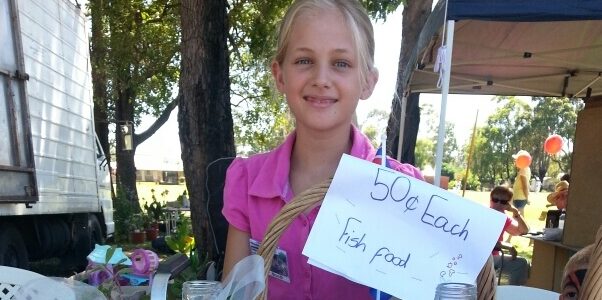
what can i sell to make money as a student Amber holding price sign

What can I sell to make money as a student? Amber’s “New From Old” enterprise is a real family example of how a young person can buy, clean, advertise and resell second-hand items for profit.

Instead of waiting for the perfect idea, Amber looked for useful items, solved simple problems for buyers and learned valuable business skills along the way.

what can i sell to make money as a student brainstorming resale ideas
Brainstorming ideas for a kids resale enterprise.

What Can I Sell to Make Money as a Student?

What can I sell to make money as a student? That is a question many kids and parents ask when they want a simple, practical business idea.

There are hundreds of possibilities. Yet when chatting to parents, they often tell me they would really like their kids to have a little business enterprise of their own, but they just can’t think of a good idea.

Here’s the tip: think about the problems or needs your local community has. Then ask whether a kids’ enterprise could be built around solving one of those problems.

Another angle is to consider what skill your child already has and how they could put that skill to good use.

Brainstorming What Students Can Sell

If your child is wondering, what can I sell to make money as a student?, start by brainstorming ideas on paper. Keep going until you have exhausted all possible ideas, whether or not you intend to use them.

Try asking neighbours what issues or problems they have and add these to your list.

Generally, people have time issues. That is where a business idea can begin. Not enough time to mow the lawn, clean large rubbish bins, chop wood, tend to the kids’ homework, clean windows, rake leaves, tutor younger children, pull weeds or clean the car — you get the picture.

If you are still stumped, this blog is full of real family enterprise stories and practical kids business ideas.

Amber’s “New From Old” Resale Enterprise

Amber’s “New From Old” enterprise has been going great guns right from the beginning. Her money jars are filling up, and really she hasn’t had to do much work at all.

She reached the goal she set a while back and is now preparing to take her business to another level. We’ll talk more about that in a later blog.

If you are new to our blog and haven’t yet followed Amber’s enterprise journey, you may like to start with Kids Business Ideas: Amber’s Kids Biz Program.

Amber’s resale enterprise in action:

what can i sell to make money as a student Amber resale enterprise sign
Recycling for profit
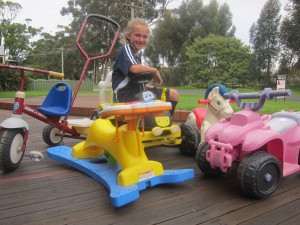
student resale business idea selling toddler ride-on toys
Toddler ride-on toys

Finding Things to Sell for Profit

Amber makes the fortnightly trip to the local Recycling and Waste Recovery Centre. It sells anything salvageable.

The guy who runs the place now knows Amber and understands that she is running her own business. Through this process, Amber has developed important skills in negotiating and connecting with a network.

When she identifies an opportunity, she confidently strikes up a deal with the Recycle Man.

Much of the stuff for sale is really not worth the effort to resell. It is a bit like looking for a gold nugget among the boulders. Over the months, Amber’s ability to pick profitable items has improved and she now has an eye for a bargain.

This is one reason the question, what can I sell to make money as a student?, is so useful. It teaches children to think carefully about value, demand and effort before spending their money.

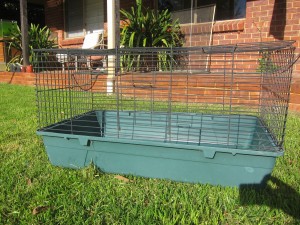
student resale idea pet cage cleaned and sold for profit
Pet cage

Learning What Is Worth Buying

The items that can be resold are generally the ones that solve people’s problems. Pet cages, baby toys, storage items and exercise equipment are good examples.

These items need to be well presented and in good condition. Amber looks for opportunities that don’t require spending lots of time and money fixing them up.

Ideally, she buys things that just need a good clean, a lick of paint or a new set of batteries.

Amber has also learnt from her mistakes. She once bought a perfect condition four-man tent still in its new box for $10, only to discover later that it had no pegs or poles. Buying pegs and poles new would blow her costs out and leave her running at a loss.

That one was put down to experience. Does anyone have free pegs and poles?

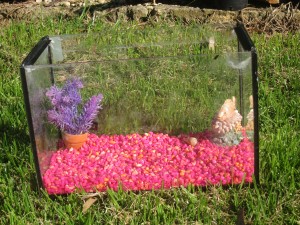
what can i sell to make money as a student aquarium resale idea
Fish aquarium

What Can I Sell to Make Money as a Student? Research First

Sometimes Amber sees a possible opportunity but holds off buying it until she has done her research.

She works out what it will cost to repair or tidy up the item. Paint brushes, varnish, batteries, sandpaper and labour all need to be considered.

Then she looks at what others are selling similar items for online. By doing her research, Amber has a better idea of how much she can pay in order to make a reasonable profit.

For older students ready to take a business idea further, Business.gov.au has helpful information on starting a business when you’re under 18.

Writing Ads and Making Sales

Amber sells almost all her items on Buy and Sell Bunbury Facebook. She set up her own Facebook page for the sole purpose of participating in the buy-and-sell market.

She writes her own ads, uploads her own pictures and converses with customers online and on the telephone.

When a buyer arrives, Amber presents her goods and collects payment.

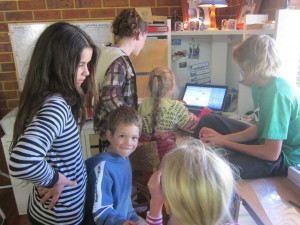
student selling online writing ads for resale items
Amber placing her adverts onto Buy & Sell Facebook with the gang watching on!

Real Examples of What Amber Sold

We’ve watched Amber continuously grow in confidence with her enterprise. She has found and built her own business around solving problems, using creativity and communicating with people.

Some of the items Amber acquired and on-sold for profit can be seen in the pictures on this blog.

The five outdoor toddler toys were bought for a good price. She scrubbed them, put new batteries in one, charged the battery in another and sold them all for $60.

The aquarium and pet cages just needed a clean, and she made a profit of $25.

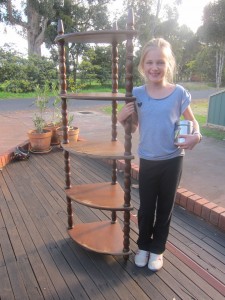
student resale enterprise display shelves sold for profit
Display shelves

Her corner display required screwing together, and she made a profit of $20.

Her current project is a very large timber outdoor table. She paid $10 and hopes to sell it for a profit after sanding it back and varnishing it.

Amber has also been collecting succulent plants from friends. Her plan is to paint decorative ceramic pots and plant hardy succulents in them, then sell them at a market day.

What Students Can Learn from Amber’s Enterprise

This story is a practical answer to the question, what can I sell to make money as a student?

Amber’s answer was simple: find items people need, buy carefully, improve presentation, advertise clearly and communicate well with buyers.

She also talks about her goals, buying assets and gifting money in the original video clip. You can view it here: Amber reflecting on her business and goals.

Amber making a sale in her student resale enterprise
Amber making a sale!

It will be very interesting to see where her entrepreneurial journey takes her as she grows older. She loves writing, so maybe she will write a book about her journey one day.

Key takeaway: If your child is asking, “what can I sell to make money as a student?”, start with simple resale opportunities. Look for useful items, check the costs, solve a buyer’s problem and learn from each sale.

Where to Next?

If you enjoyed this family enterprise story, you may also like:

We would love to hear from you, so please leave a comment.

Business Ideas for Students: Chayse the Candy Man

Business ideas for students shown through Chayse selling lolly bags with Kit and Amber

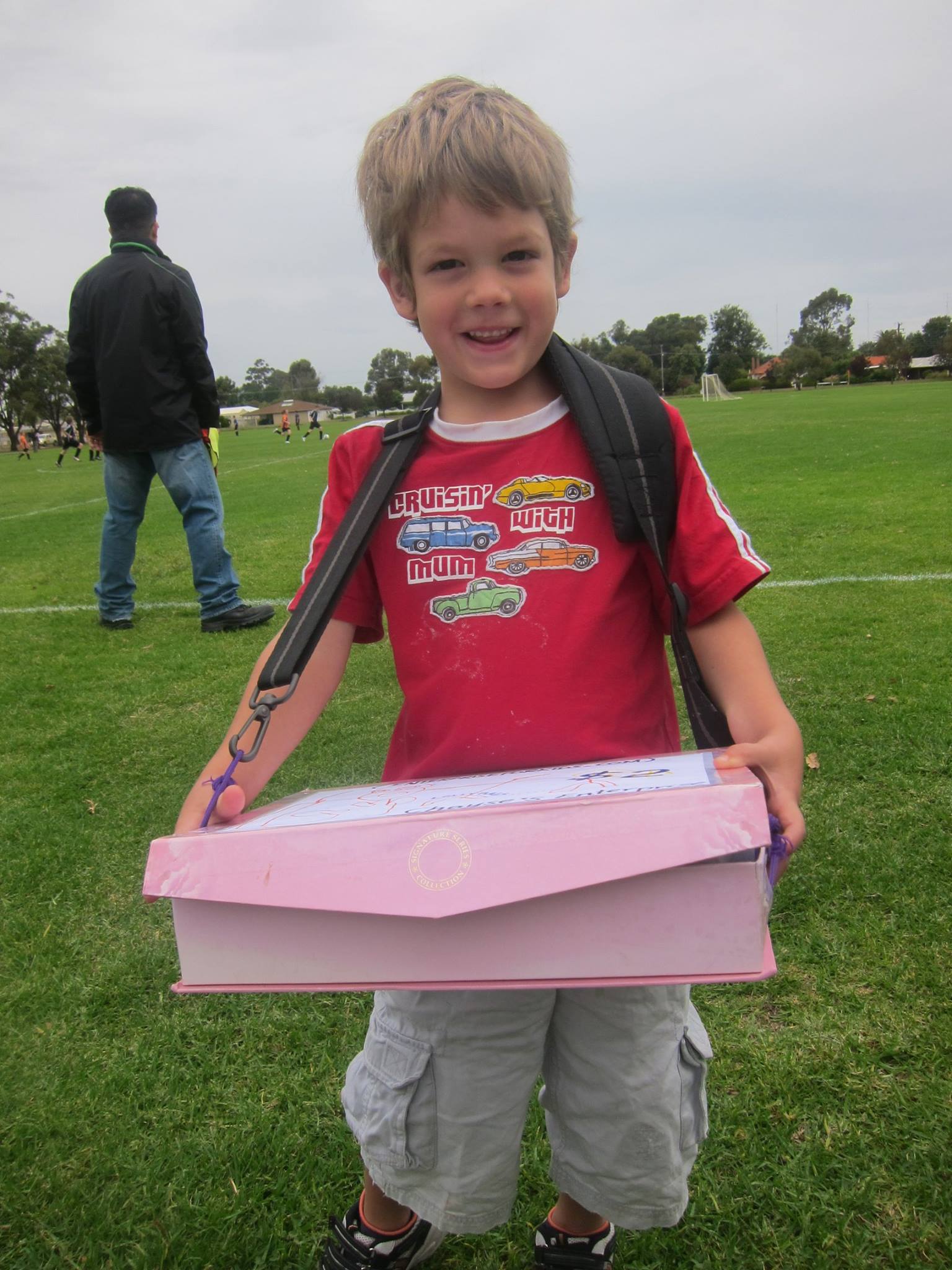
Business ideas for students do not have to be complicated. Sometimes they begin with a four-year-old, a box full of lolly bags, a soccer ground full of hungry kids and a very determined little Candy Man.

This is Part 3 of Chayse’s Candy Man story, where his lolly bag idea moved from planning and preparation into real selling, real customers and real profit.

Business ideas for students shown through Chayse selling lolly bags at the soccer grounds
Chayse selling lolly bags at the soccer grounds as part of his Candy Man enterprise.

Business Ideas for Students: Chayse the Candy Man

We thought it was time that we revisited our little Candy Man Chayse. When we last followed his enterprising adventure, he had bought his lollies and bagged them up ready to sell.

If you missed the earlier parts of Chayse’s journey, you can follow the story from the beginning:

Now he has to find a market for his product and learn to be a salesman. Before we share Chayse’s exciting adventure, we thought it would be interesting to consider the benefits of children earning pocket money through enterprise, as opposed to children receiving a weekly allowance.

Why Business Ideas for Students Build a Different Mindset

Robert Kiyosaki quote about wealth and entrepreneurial thinking for children

Children earning pocket money through enterprise will develop the mindset and skills of an entrepreneur. Giving children a weekly allowance can condition them to think like “workers”.

Robert Kiyosaki describes a worker as someone prepared to give their time for money, whilst an entrepreneur builds systems and businesses that produce cash flow. Workers are more often than not time poor and cash poor, whilst entrepreneurs are generally time rich and cash rich.

Why is it then that the vast majority of us leave school and become workers?

A child receiving a weekly pocket money allowance is equivalent to a worker receiving a weekly salary. Relying upon a weekly allowance will not necessarily encourage children to look for opportunities for enterprise.

Their pocket money may or may not be aligned with doing household chores, just as a worker receives payment for doing work. Many kids leave school and slot into jobs for the rest of their lives because they have not been able to explore the entrepreneur within themselves.

Children Earning Pocket Money Through Enterprise

Children earning pocket money through enterprise develop a whole different mindset. Parents of these children will encourage their children to look around to find opportunities.

These kids learn to identify problems that they can solve and they learn the art of negotiation. Enterprising children understand assets, liabilities, cash flow and profit. They will understand markets and customer service and they will develop the confidence to promote themselves.

Business ideas for students can also help children value their profits and spend their money wisely. Weekly allowances are easily received and easily spent, especially when children know that more money will follow. This can condition kids to be reliant on a salary.

Enterprising children become self-motivated to make money, and as they celebrate their successes, they quickly come to understand that they can in fact make a lot more money than their friends receiving weekly allowances.

Entrepreneur Cameron Herold makes a similar point in his TED talk, Let’s raise kids to be entrepreneurs. He encourages parents to help children look for opportunities, negotiate and learn how to create value rather than simply expect a regular allowance.

A Real Student Business Idea at the Soccer Grounds

Chayse selling lolly bags to customers at the soccer grounds
Selling to customers.

Kids may not be motivated to do this at first, especially if they have been used to receiving a weekly allowance. The trick here is to make sure they have a big “Why!” They need to want something badly enough. This then becomes their goal and reason.

So let’s get back to Chayse’s enterprising story. Was he able to earn his pocket money through his lolly bag business?

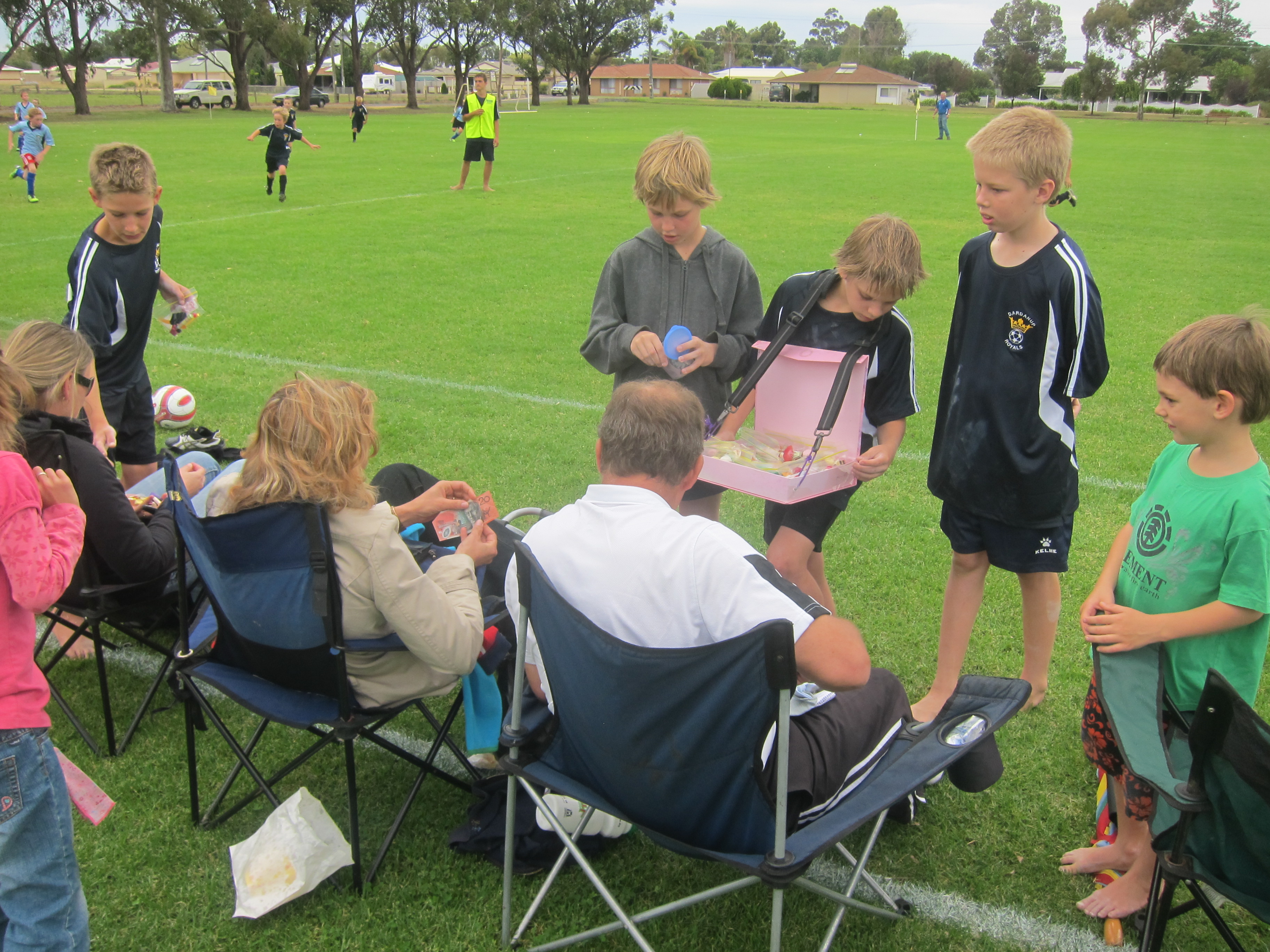
He had his first opportunity to sell his lolly bags at his big brothers’ soccer games. During the game, the spectators, who were his potential customers, milled around on the sidelines.

So we primed him on what to say to customers. We also enlisted the help of his brothers, Amber and friends. It was all great fun and soon enough the customers came rolling in.

Now who could knock back buying lollies from a cute smiling four-year-old?

Business Ideas for Students Need Real Customers

His lolly bags sold like hot cakes for two dollars each. Chayse could not hold up the box because it was too heavy, so he managed the money jar whilst his helpers held the box.

He had to take his customers’ money and give change.

As word spread that there were lollies for sale, kids came racing in from all directions to buy Chayse’s product. The box became lighter and the money jar heavier, but despite the weight, he was not going to relinquish it.

Chayse looked after his helpers by giving them each a lolly bag. Hopefully they will be willing helpers the next time he sells something.

Chayse also paid back the money his Dad lent him as capital to buy the lollies and plastic bags from the supermarket.

Profit, Confidence and a Very Heavy Money Jar

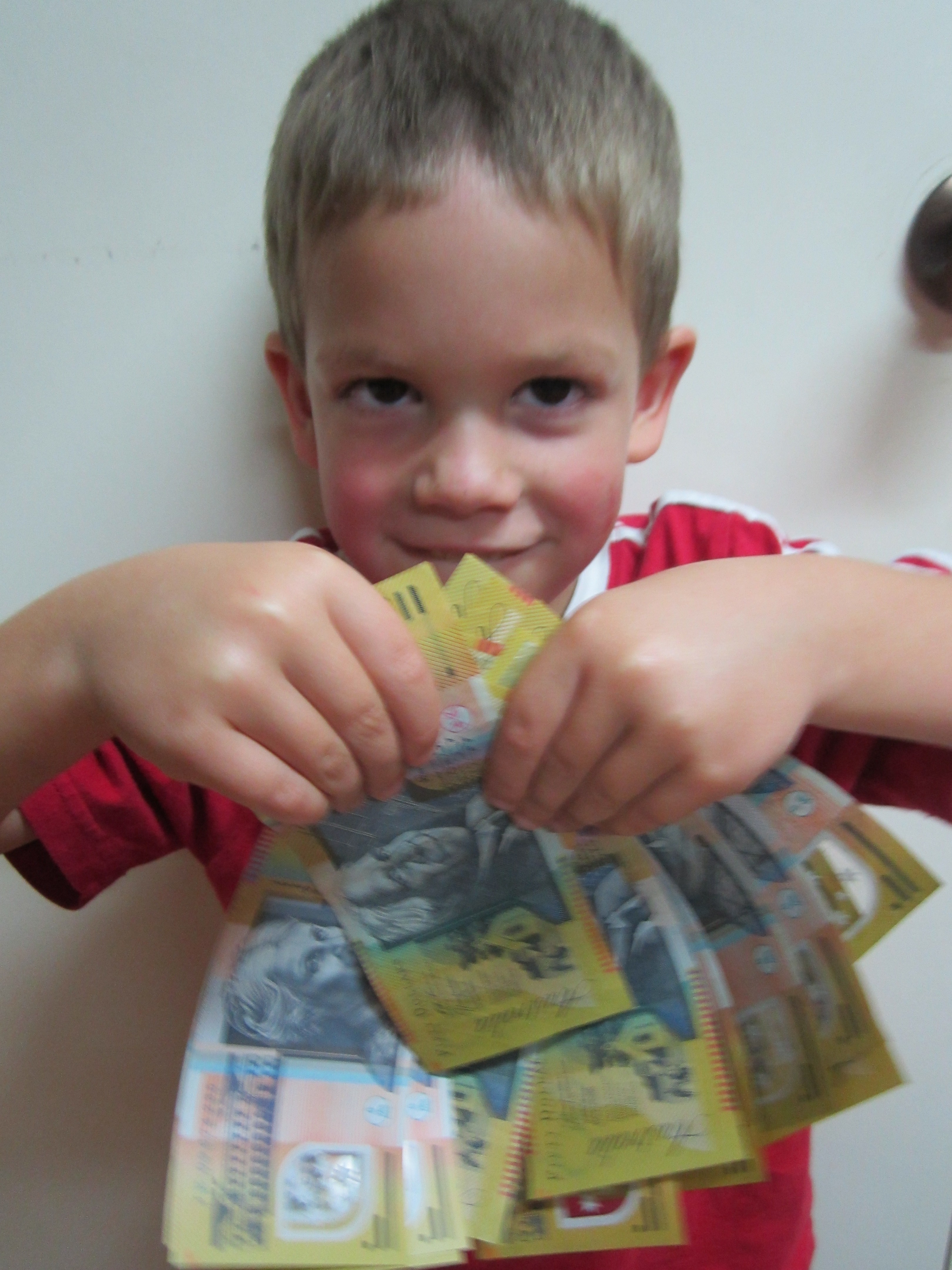
Chayse holding money earned from his lolly bag business
Chayse was delighted with his profit.

All up, he was delighted with his fifty dollars net profit. He is now well on his way to reaching his goal to buy toy Nerf Guns.

In fact, his business was so successful that Kit has recently decided to partner with him for his next endeavour. Under their mother’s guidance, they will research and decide on a charity that could benefit from some of their profits.

So, stay tuned for that one!

Chayse is one of those children earning pocket money through enterprise. It would have taken him five weeks, with a weekly allowance of $5 a week, to save the equivalent of what he profited at the soccer grounds during one soccer game.

That is why simple business ideas for students can be so powerful. They give children a real reason to be brave, talk to people, handle money, serve customers and learn that effort can create opportunity.

The Candy Man Business Series

This post is Part 3 of Chayse’s Candy Man journey. You can follow the full series here:

  • Part 1: The Candy Man Planning an Enterprise — Chayse plans his lolly bag business and receives $50 start-up capital.
  • Part 2: The Candy Man Entrepreneur — Chayse buys the lollies, prepares the bags and gets ready to sell.
  • Part 3: Chayse the Candy Man — Chayse sells his lolly bags at the soccer grounds and makes a profit.

Key Takeaway: Business Ideas for Students Can Start Small

Key takeaway: Business ideas for students do not need to be complicated. Chayse’s lolly bag business helped him learn about customers, selling, profit, confidence, helpers, start-up money and responsibility — all through one simple project at the soccer grounds.

In our next Enterprise For Kids blog, we’ll introduce you to a self-made millionaire who has some excellent tips for parents wanting to raise entrepreneurial kids. Don’t miss this article!

We would love to hear from you, so please leave a comment.