Small Business Ideas for Students: Kaitlin’s Portrait Drawing Enterprise

Small business ideas for students shown through Kaitlin's portrait drawing enterprise

Small business ideas for students often begin with a skill they already love using. For Kaitlin, that skill was drawing — especially pencil portrait sketches.

This is Kaitlin’s creative enterprise idea: using her artistic talent to draw portraits from photos and turn that skill into a simple student business.

Small business ideas for students with Kaitlin planning her portrait drawing enterprise
Kaitlin loves drawing.

Small Business Ideas for Students: Kaitlin’s Portrait Drawing Enterprise

I admire those very creative people who can draw!

Sadly, I am not one of those people, although there are some very artistic people in my family.

My sister won first prize in one of Australia’s richest art prizes, a $250,000 prize for an artwork she entered into “The Signature of Sydney”, which really kicked off her painting career. Also, my grandparents and aunt on my Dad’s side were respected artists.

So it is not surprising that our eldest daughter Kaitlin has an exceptional skill with drawing, and in particular pencil portrait sketches. From when she was very little, she would draw for hours and, over the years, has honed her skill.

Her Mum, Cathy, also has exceptional drawing skills and has encouraged and taught Kaitlin many of the skills she has today.

Looking at Skills as Enterprise Opportunities

When looking for an enterprise opportunity, it makes sense to look at what someone is already skilled at, then see if there is a need or problem in the community where that skill could be put to use.

This is one of the best ways to find kids business ideas. Rather than starting with the question, “How can I make money?”, children can start by asking:

  • What am I good at?
  • What do I enjoy doing?
  • Who might need this skill?
  • How could I help someone with it?
  • Would someone be willing to pay for that help?

For Kaitlin, the answer was clear. She loved drawing, she was good at portrait sketches, and people often like having personal artwork created from family photos.

That made portrait drawing a natural enterprise idea for her.

Small Business Ideas for Students Can Grow from Creative Skills

Kaitlin's mermaid drawing showing creative small business ideas for students
Kaitlin’s mermaid drawing.

Up-skilling yourself in your area of interest and becoming the best there is in that field will likely increase the demand for your kind of talent and services.

As a result, customers may choose you over your competitors and may be more likely to pay a premium.

I wrote an Enterprise for Kids post on this very topic a number of blogs ago. If you would like to learn more about how up-skilling can create enterprise for kids opportunities, then visit Finding Enterprise Ideas.

Kaitlin’s talent with drawing became the basis of her enterprising idea, and she explains her business plan in this short video.

Kaitlin’s Portrait Drawing Business Plan

Kaitlin's portrait drawing as a creative business idea for students
Kaitlin’s portrait drawing.

Kaitlin planned on spending $70 to buy the drawing and framing materials she required to run her business.

Her idea was to draw people’s portraits from a photo and sell the finished artwork either framed or unframed.

She planned to market her service on Facebook. In our local area, there was a classified Facebook Buy and Sell group for Bunbury, and this gave her a place to start showing people what she could offer.

Her aim was to complete one drawing a week with a sale value of about $30.

In her video, Kaitlin also considers the roadblocks with her business and looks at possible solutions. That is an important part of planning any student enterprise idea.

What Kaitlin’s Idea Teaches About Student Enterprise

This is a good example of how small business ideas for students do not always need stock, tools, complicated technology or large amounts of money to get started.

Sometimes the starting point is a skill.

For Kaitlin, the important business lessons included:

  • recognising a personal talent;
  • turning that talent into a service;
  • working out the cost of materials;
  • deciding whether to sell framed or unframed drawings;
  • thinking about how to find customers;
  • considering roadblocks before starting.

Those are valuable money lessons for kids, because they show that earning money is not only about doing chores or receiving pocket money. It can also come from creating value for someone else.

Creative Enterprise and Real-World Learning

One of the things I love about Kaitlin’s idea is that it connects creativity with real-world learning.

She was not just drawing for fun. She was thinking about how her drawings could become useful or meaningful to someone else.

That is an important shift. It helps children see that their skills can be assets. Their interests can become opportunities. Their creativity can serve other people.

This is also why we believe so strongly in raising entrepreneurial kids. The goal is not simply to make children business-minded. The deeper goal is to help them become observant, confident, capable and willing to try.

The Australian Government’s business planning guidance also highlights the value of thinking through customers, marketing and planning before starting a business. Even though Kaitlin’s idea was small, these same basic principles still applied. Developing a business plan helps clarify what you want to offer and how you plan to make it work.

Key Takeaway: Small Business Ideas for Students Can Begin with Talent

Key takeaway: Small business ideas for students can begin with the skills they already have. Kaitlin’s portrait drawing enterprise shows how creativity, practice, planning and confidence can turn a personal talent into a real business idea.

So we have covered all our kids’ enterprising ideas except for one. In our next post, we share Jai’s passion for electronics and gaming and how he plans to turn this interest into a money-making enterprise.

We would love to hear from you, so please leave a comment.
SEO settings

Dog Walking Business for Kids: Kit Plans His Enterprise

Dog walking business for kids shown through Kit Howitt walking a dog

A dog walking business for kids might sound simple, but for Kit it became a real lesson in confidence, problem-solving, service and earning money through enterprise.

This is the story of Kit’s pocket money idea and how he planned to turn dog walking into his first little business.

Dog walking business for kids with Kit planning his first enterprise idea
Welcoming Kit and his entrepreneurial idea.

Dog Walking Business for Kids: Kit Plans His Enterprise

Plenty of kids receive pocket money from their parents. The kids then either save it or spend it. When we used to give pocket money to our kids, they would spend it straight away. Usually, they spent their money on “junky” things that didn’t last long.

This was very frustrating as a parent, so we looked for ways to teach our children to use their money wisely and to build a money mastery mindset for them. From these early days, we came up with some fantastic ideas which we’ll share with you in later blogs.

This particular blog is about Kit’s pocket money idea and how he planned to run his enterprise.

Looking for a Need

Kit saw that there was a need in his neighbourhood for dog walkers. Whilst many people in our community walked their own dogs, there were also elderly or busy people who owned dogs and either didn’t have the energy or time to take their pet for a walk.

Kit figured that he could offer a service where he would take their pet for a walk on a lead.

At first, when he shared his idea, we thought he had gone bananas! Firstly, Kit had always been afraid of dogs and secondly, he was only six years old. Allowing a six-year-old to walk the streets with other people’s dogs was certainly not looking like a good idea.

However, one thing we have learnt is to never stifle a child’s enthusiasm and condition them to think their ideas are not good enough. So we decided to play along with his pocket money idea.

Why a Dog Walking Business for Kids Needed a Plan

A dog walking business for kids sounds easy on the surface, but when we talked it through with Kit, there were some very real roadblocks.

This is where the learning became valuable. Kit was not just coming up with a cute idea. He had to think about safety, customer trust, his own confidence, the dog’s needs, and whether the service would be worth paying for.

That is why small kids business ideas can be so useful. Children get to practise thinking through a real situation rather than just talking about business in theory.

Roadblocks and Solutions

We talked through a business plan with Kit and investigated the roadblocks that he might be faced with. Then we investigated the solutions.

The main issue was that he was too young to walk other people’s dogs by himself, so we discussed that he needed an older person to go along with him. This would also provide reassurance to the pet owners that their dog would be looked after. Luckily, his Grandad offered to help out. He reckons he needed the exercise anyway!

The other issue was that Kit wasn’t confident with dogs. So the plan was to carry a pocket of doggy treats to keep the dog happy and obedient. In addition, Kit would provide his own dog lead.

By offering doggy treats and a lead, Kit was “adding value” to his service.

We also talked about being safe and respectful around dogs. The RSPCA WA safety around dogs information is a useful reminder that children should be supervised around dogs and should understand how to behave calmly and safely around them.

Kit’s Dog Walking Enterprise Idea

Kit caring for a dog as part of his dog walking business for kids idea
Dog walking was Kit’s enterprise idea.

Kit’s idea was simple: offer to walk dogs for people who needed help.

That made it a service-based business. He did not need to buy stock like Chayse did with his lolly bags. Instead, Kit needed to offer his time, care and effort.

This gave us a great opportunity to talk about the difference between earning money from a product and earning money from a service. Both can be valuable money lessons for kids, but they teach slightly different things.

With Kit’s dog walking idea, the lesson was not just about money. It was about trust, responsibility and doing a job properly for someone else.

Could Kit Become the Next Dog Whisperer?

Kit with a dog while planning his dog walking enterprise idea
Could this be the next Dog Whisperer?

Kit decided that he would negotiate a walking fee of $5 for a half-hour walk. If he had one customer a day, then he could pocket $35 a week.

So it was on. Kit was now officially a professional dog walker!

And who knows… from these humble beginnings, he may even become the next famous Dog Whisperer!

What Kit Learned from Planning His Enterprise

Even before Kit walked his first dog, the planning process had already taught him a lot.

  • He noticed a need in the neighbourhood.
  • He thought of a service people might pay for.
  • He talked through the risks and roadblocks.
  • He found a way to make the idea safer by involving Grandad.
  • He added value with treats and a dog lead.
  • He thought about a simple fee for his service.

That is exactly the sort of thinking we want to encourage when we talk about raising entrepreneurial kids. It is not just about making money. It is about helping children notice opportunities, solve problems and back themselves enough to try.

Kit’s Dog Walking Business Series

This post is the planning stage of Kit’s dog walking idea. You can follow the next stage here:

  • Part 1: Kit Plans a Dog Walking Business — Kit notices a need, works through the roadblocks and plans his service.
  • Part 2: The Dog Whisperer! — Kit gets started, walks his first customer’s dog and earns money from his idea.

Key Takeaway: A Dog Walking Business for Kids Teaches More Than Money

Key takeaway: A dog walking business for kids can teach far more than earning pocket money. Kit’s idea helped him think about service, safety, value, responsibility, confidence and solving a real need in his community.

In our next Enterprise for Kids blog, we will introduce Kaitlin’s very creative enterprising idea and her well thought out business plan. Stay tuned for that one…

We would love to hear from you, so please leave a comment.

Ways to Earn Money for Students: Chayse Plans a Candy Business

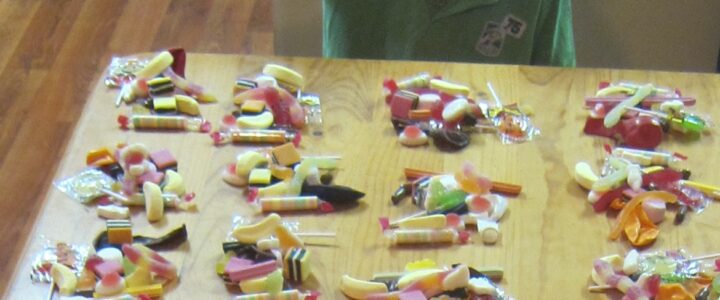
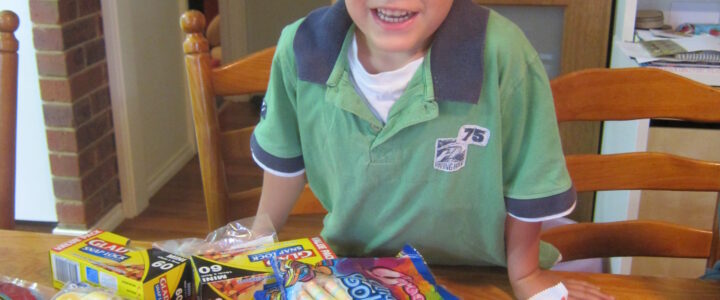
Ways to earn money for students shown through Chayse preparing lolly bags for his Candy Man business

Ways to earn money for students can start with a very simple idea. For Chayse, that idea was lollies — or candy for our American readers — and a plan to turn fifty dollars into his very own Candy Man business.

This is Part 1 of Chayse’s Candy Man story. Before the selling, the soccer grounds and the very heavy money jar, there had to be a plan.

Ways to earn money for students shown through Chayse preparing lolly bags after planning his Candy Man business
After planning his Candy Man business, Chayse soon moved into action.

Ways to Earn Money for Students: Chayse Plans a Candy Business

All kids love lollies. Chayse too really loves lollies! So it came as no surprise to see Chayse planning an enterprise that revolved around lollies.

Now Chayse is only four years old, so he needed a little help formulating his plan. Initially, he liked the idea of buying a heap of lollies, but I think he was thinking that he was going to be the one eating them!

Eventually, after much explaining, it became clear to him that he would be selling them, not eating them himself. His brothers and sisters all thought his enterprise idea was pretty cool and I’m sure were thinking, “Why didn’t I think of that!”

A Simple Business Plan for a Four-Year-Old

We don’t have a video of Chayse explaining his business plan. In fact, there isn’t much to it, so I’ll just explain it for you here.

We lent Chayse $50 to run his business. He planned to buy large bags of lollies from the supermarket, bag them up into small mixed bags, then sell them for twice what he paid.

His market would be all the hungry kids who play and watch soccer games on Saturday mornings at the local soccer fields.

For a four-year-old, that was a pretty good business plan. Product, start-up capital, packaging, pricing, customers and a selling location. Not bad for a little Candy Man!

Why This Is One of the Simplest Ways to Earn Money for Students

When families think about kids business ideas, it is easy to overcomplicate things. But children often learn best when the idea is simple enough for them to understand and exciting enough for them to care about.

Chayse understood lollies. He understood that kids liked lollies. He understood that soccer grounds were full of kids. With a little help from us, he could begin to understand buying, selling, profit and customers.

That is why simple projects can become powerful money lessons for kids. Children do not just hear words like “profit” and “investment”; they get to experience what those words mean.

From Pocket Money to Enterprise

Many children earn or receive pocket money each week, and there is nothing wrong with that. But when children create a small enterprise, they begin to see money differently.

Instead of waiting for money to arrive, they start looking for opportunities. They begin asking questions like:

  • What could I sell?
  • Who would buy it?
  • How much will it cost me?
  • How much could I sell it for?
  • What will I do if it works?

These are the sorts of questions that help children develop confidence, initiative and responsibility.

Entrepreneur Cameron Herold makes a similar point in his TED talk, Let’s raise kids to be entrepreneurs. Children can learn entrepreneurial thinking when they are encouraged to look for opportunities and create value.

Chayse’s Goal: Double His Money

If Chayse’s enterprise went to plan, he would double his money or get a 100% return. That would put a smile on any young four-year-old’s face.

Of course, before he could make any money, he still had to buy the lollies, package them, carry them around and sell them to real customers. That is where the real learning would begin.

The image above actually shows the next stage of Chayse’s Candy Man journey, when his plan moved from an idea into action. First came the goal, the $50 start-up capital and the discussion about what he could sell. Then came the exciting part — buying the lollies, sorting them into bags and getting ready to find his first customers.

The Candy Man Business Series

This post is Part 1 of Chayse’s Candy Man journey. You can follow the full series here:

Key Takeaway: Ways to Earn Money for Students Can Start Small

Key takeaway: Ways to earn money for students do not need to be complicated. Chayse’s Candy Man idea started with something he loved, a clear market, a simple product and a small amount of start-up money.

We will keep you updated with how his money-making enterprise goes.

Next up is Kit planning an enterprise. Kit is so excited that he reminds me of our late over-zealous Jack Russell Terrier when she used to go out for a walk!

We would love to hear from you, so please leave a comment.

Business Ideas for Kids: Finding Enterprise Ideas

kids entrepreneur ideas inspired by real family enterprise experiences

Business ideas for kids often begin with everyday problems, useful skills and a little creative thinking.

Coming up with an enterprise idea that makes money, solves a real problem and keeps a child motivated is a tall order for an adult, let alone a kid.

Children do not need a perfect idea to get started. In fact, many of the best ideas come from noticing what people need, thinking creatively and using the skills children already have.

business ideas for kids through real family enterprise experiences
Looking for enterprise ideas as a family.

Business Ideas for Kids: Finding Enterprise Ideas

Business ideas for kids are often found by looking closely at everyday life. Coming up with an enterprise idea that makes money, solves a real problem and keeps a child motivated can be a tall order for an adult, let alone a kid.

The trick is to spend time brainstorming ideas together and helping children notice the small problems around them.

What I explained to my entrepreneurial kids was that they needed to think about the problems in our small community town, then look for possible solutions.

By solving people’s problems, children begin to create real opportunities for enterprise.

Business Ideas for Kids Start with Solving Problems

In the original video for this post, I gave the kids a simple example. Winter was drawing near and people were chopping wood ready to fuel their fires.

Problem: No one likes scrambling around outside on a cold and rainy day gathering kindling to get their fire started.

Solution: Collect bundles of gum tree sticks, tie them up and sell them to people who need kindling ready to go.

Step one was finding the problem. Step two was finding the solution. Putting the idea into action would be step three.

What a great and simple enterprise idea.

After hearing this example, the kids had no trouble finding enterprise ideas of their own.

Using Skills to Create Kids Entrepreneur Ideas

Our mentor, Paul Counsel, often shares a great educational basis behind what it means to be entrepreneurial.

He encourages us to consider how we are an asset to others. What skills and knowledge do we have that could be of service to others? What are we good at?

For example, Kaitlin and Amber are very good with toddlers and babies. Every day they were helping with their baby sister Akaisha. They fed her, changed her nappy, bathed her and took her for walks.

Both girls were very skilled and had a natural ease with babies. Knowing when Akaisha was tired and how to soothe her when she was upset became second nature. These abilities could easily lead to real enterprise opportunities.

Everyday skills can become enterprise ideas:

kids helping younger siblings read as part of business ideas for kids
Reading with siblings
kids caring for younger siblings and developing enterprise skills
Looking after Akaisha

Turning Everyday Skills into Enterprise Ideas

The obvious enterprise would be babysitting, but other ideas include:

  • Homework Support — busy parents may need someone to listen to younger children read, practise spelling words or help with writing.
  • Toddler Playmate — after school, some parents may appreciate an older child entertaining and playing with their toddler or baby.
  • Walking Younger Children Home from School — busy parents may appreciate a responsible older child helping with the school run.
  • Sports, Dance, Music or Art Coaching — Amber and Kaitlin could teach other kids how to throw, catch, draw, dance or play music.
child who enjoys helping younger kids as a business idea for kids
Kaitlin loves kids.

These are not complicated ideas, but they are valuable and practical. Children can easily miss this point. Often, they do not realise that skills they use every day may be helpful to someone else.

Finding Business Ideas for Kids Through Imagination

All it requires, when finding enterprise ideas for kids, is a little imagination.

Take the time to identify problems and look at what assets you have that could help people. Helping people is the key to enterprise.

Many ideas are not new. However, children often need guidance to look at their existing skills and realise how valuable they already are.

young musician developing skills that could become business ideas for kids
Budding young musician

A tip for everyone: you can increase your value by up-skilling and becoming an expert in an area.

As your skill increases, your value increases too. Over time, people are more likely to seek your help and pay for your time and knowledge.

How Kids Can Start a Business by Increasing Their Value

For example, being a whiz at sorting computer glitches would make you valuable to people who have computer problems. Being an expert pianist could create opportunities to teach others how to play piano.

Many of these ideas are simple. The real lesson is helping children notice what they are already good at, then think about how those skills could help others.

For older children who are ready to take an idea further, Business.gov.au has helpful information for young people starting a business.

Business Ideas for Kids Are Everywhere

Finding enterprise ideas can be fun, and it isn’t that hard if you do a little thinking and brainstorming first.

Amber will reveal her enterprise idea in the next blog as she begins her quest to reach her goals, so stay tuned.

Key takeaway: Business ideas for kids often begin with simple problem-solving. When children learn to notice problems, use their skills and think about how they can help others, they begin to see enterprise opportunities everywhere.

Where to Next?

If you enjoyed this post about finding business ideas for kids, you may also like:

We would love to hear from you, so please leave a comment.

THE $100 Family Enterprise Project!

For our kids to develop the skills and habits of an entrepreneur, they need to begin somewhere. But where? The beauty of Cathy and I having a wealth creation Mentor at our disposal, is that we could take the invaluabe information we had been learning and apply it in small pieces to developing the mindset of our kids.

This process also involved us having a good, hard look at how we operate in our own lives in regards to planning, organising and taking ation. Cathy loves to plan things out in her head and on paper before starting a task, and once satisfied, will start when all structures are in place.

I, on the other hand, like to dive in and see where it leads. So a happy compromise was met and we decided that the kids just needed to come up with an enterprise idea and just get started. We could refine the process later.

Getting the kids to kick off with an enterprise project (when they have little idea as to where to even start), was easier said than done. But I knew that some of the things that had held us back over the years was “waiting” until all conditions were right. This saw us miss many great opportunities that were out there.

So we just “started”. Admittedly it was a bit like the blind leading the blind…but we went in with an open mind and decided to see what would happen and where it would lead.

Goal setting for "Enterprise for Kids"
Chayse and Kit drawing their goals.


Check out our very first videos. The filming is pretty rough as we had our 15 year old daughter using her “creative” license whilst filming, but you’ll get the gist of what our project is all about if you watch them. Here they are…

Handing out the $100 notes!

Kids considering their goals

For those of you who would prefer to read, I’ll give you the run down…

I presented of the kids with $100 each! (except the baby….as all she would do is try and eat it!)


$100 Family Enterprise project
Raining $50 Bills
... and more!!

Wow!!!” was their first response. An early Christmas present!

“Ohhhh” was the next response. More sedate now that there seemed to be a catch. But they listened to my proposal.

They were to use the money as start up capital for an enterprise, and (much to their disappointment), weren’t to spend it on themselves. In fact they were to pay me back once they had attained their business goal.

I was a bit soft on them though. I also said that I would take the risk and if they were unsuccessful and weren’t able to pay back the $100, then I’d accept that and absorb the loss. I did this because I wanted them to give their enterprise a go and I was conscious that if they were hung up about having to pay me back, then they may worry about their loss and as a consequence not find the courage to even start to play the game.

Loaning the $100 was the first step in our elaborate plan to give our kids a shot at being entrepreneurial with their kids enterprise project.

Check out our next blog for the subsequent steps in our entrepreneurial quest………