Young entrepreneurs can grow from the smallest real-life moments: selling honey at a market stall, selling lolly bags at a soccer match, repairing and upselling a rabbit hutch, having business conversations at the dinner table, or dealing with real-life responsibility in a range of settings.
“`
It has been a while.
If you have been with us since the early days of Enterprise for Kids, you will know this site has always been a reflection of our family’s real life — the projects, the lessons, the experiments, the conversations around the dinner table, and the belief that children learn most deeply when they are given real experiences and real responsibility.
“`

Young Entrepreneurs: What Happened to Our 7 Enterprising Kids
We started this blog back in 2012 when our seven children were young. We shared about market stalls and honey businesses, kerb painting, goal setting, the value of leadership camps and all types of money lessons. We wrote about mindset, mentors, purpose, business ideas and the kind of life we were trying to build together as a family.
As you can imagine with seven kids, life got full. The kids grew up. The blog went quiet.
But we never stopped living the journey.
So, Here We Are Again! But Who Are We Exactly?
For those of you who are new here, we are Cathy and Trevor Howitt, parents of a large family from Western Australia, who have spent the better part of two decades asking one big question:
How do we raise children who are confident, creative, capable and free?
Not just free financially, but free in the way they think. Free to pursue something meaningful in their lives. Free to take a risk on an idea they believe in. Free to design a life rather than simply fall into one.
We are not perfect parents. Far from it! We have made plenty of mistakes along the way.
But we were always intentional. We surrounded our kids with mentors, conversations, real-world experiences and the unshakeable belief that they could shape their own path. Looking back, these were the early foundations that helped shape them into young entrepreneurs in very different ways.
Now, all these years later, we get to watch the proof of that walking around in the world. These are not just entrepreneur stories from somewhere else. These are the stories that grew out of our own home, our own questions and our own family entrepreneurship journey.
Young Entrepreneurs Australia: Our Kids Are Grown Now
As mentioned earlier, we wrote regularly on this blog when our kids were young, ranging in age from 18 months to 17 years. We followed and documented their journeys.
Then life became busy with everyday parenting, working, living in beautiful locations and growing our own side hustles.
Again, the blog went quiet.
But we were always inspired by how our kids showed up as young people in this world, and as they grew, what they were up to in their professional and personal lives.
We picked up the pen briefly again in 2021. The last entry written was when Kaitlin was nearly in her mid-twenties working online, Jai was in his early twenties with a warehouse and big dreams, Flynn and Amber were looking into UGC content to generate extra income, Kit and Chayse were in high school, and our youngest, Akaisha, was in primary school.
Life became busy once again, so priorities changed. But the lessons didn’t. Our kids continued to grow and change, develop their own tastes in what life had to offer, pursue their own dreams, or push them aside until it was time to pick them up again.
And our blog was much the same. It has been a dream to document and share our family’s journey, and now is the time to pick it up again and share what has been happening in those intervening years.
And here we are.
Today, our seven children range in age from 15 to 29. The stories they are living now are better than anything we could have scripted. Not because they are all success stories living a true entrepreneurship lifestyle, but because our children are human, living in an unpredictable world, experiencing success, failure and everything in between.
Some are building businesses as young entrepreneurs in the entrepreneur space. Some are creating art, writing and music. Some are exploring digital entrepreneurship, content, apps, leadership and community. All of them are still learning, stretching, succeeding, failing, succeeding again, but most importantly, finding their own way.
That is the part we love the most. We did not raise seven identical children. We raised seven individuals. And each of them is showing us that young entrepreneurs do not all look the same. Some are loud and visible. Some are quiet and creative. Some build companies. Some build communities. Some build stories, songs and ideas, and some are building futures not even thought of yet.
The Short Version of Our Seven Young Entrepreneurs
Kaitlin (29)
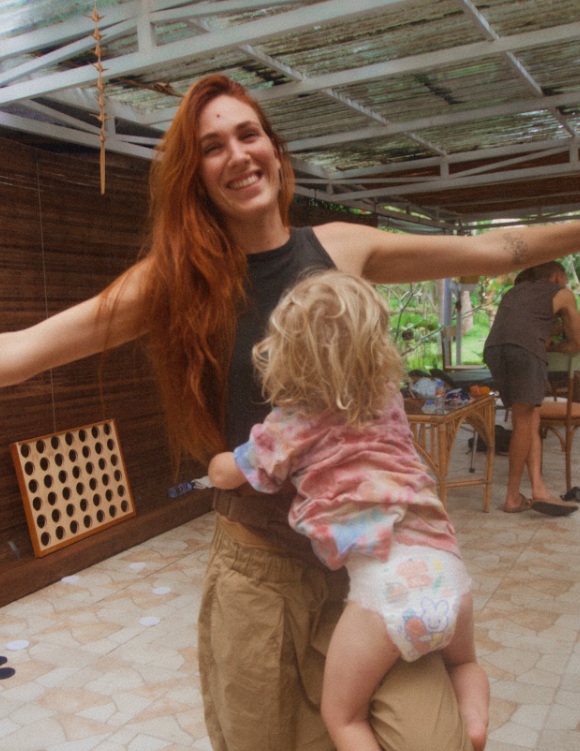
Kaitlin has become a mother to two beautiful little boys, which makes us very proud grandparents. She has spent her adult life as an entrepreneur, running online courses, building communities, and pursuing her deep passion for creativity, women’s connection and self-development. She writes poetry, publishes on Substack, and her next chapter involves building retreats for women.
She has always followed her heart, no matter what that looks like to the outside world. She is deeply obsessed with finding out who she truly is in all the social constructs of our society and experiences it all — the good, the bad and the ugly.
Kaitlin was the child who walked to the beat of her own drum and, quite often, the drum we were beating as parents was a different rhythm to hers. But it is amazing how the rhythm of two drums can sound good together, and we can say with certainty, Kaitlin has also been one of our greatest teachers, and us hers.
Jai (28)

Jai has built something genuinely remarkable. His business, Art of Mondays, or AOM for short, is a multi-million-dollar community for entrepreneurs. He runs residencies in beautiful locations around the world where founders gather to connect, collaborate and grow together.
He has written a book, acquired businesses, and travelled the globe doing what he loves. He left school unsure of his direction. He has been wildly successful, failed miserably, shaken himself off and continued building success again on this entrepreneurial journey.
True to form, and never resting on his laurels, Jai has a burning desire to build something bigger than himself. His fuel is to make a positive difference to others. He has found his path and follows it. Much like a hummingbird searching for nectar, Jai is willing to change direction when needed and bring life’s lessons with him.
Flynn (26)

Flynn is the connector and the creative. He works closely with Jai on AOM in the sales team, but also runs his own crypto trading and education community. He creates UGC content and teaches others to do the same.
Flynn’s passion for photography and videography has opened him to many opportunities, all involving brand deals and travel. He has always found a way to be involved in whatever is interesting, whatever is a growing trend and whatever is full of possibility.
But more importantly, Flynn does what makes him feel happy. In a world where so many are in jobs they hate, working in systems that don’t serve them, it is refreshing to see a young person full of life, willing to take on challenges, but not at the sacrifice of what brings him joy.
There’s a lesson in that for everyone.
Amber (24)

Amber left school not really being clear on the direction she wanted to take, only that it would involve writing and being creative.
Making money has been a means to an end, allowing her time to grow into how she wants to show up in this world. She has dabbled in many pursuits whilst honing her craft as a barista. She has travelled Australia, created UGC content for extra income and is currently writing her first novel.
Amber also writes poetry on Substack and makes beautiful music when her soul feels inspired. She is working quietly and consistently on the creative life she has always wanted.
Amber reminds us that success does not have to look loud to be real. Sometimes the most important work happens quietly, consistently and with deep commitment.
Kit (20)
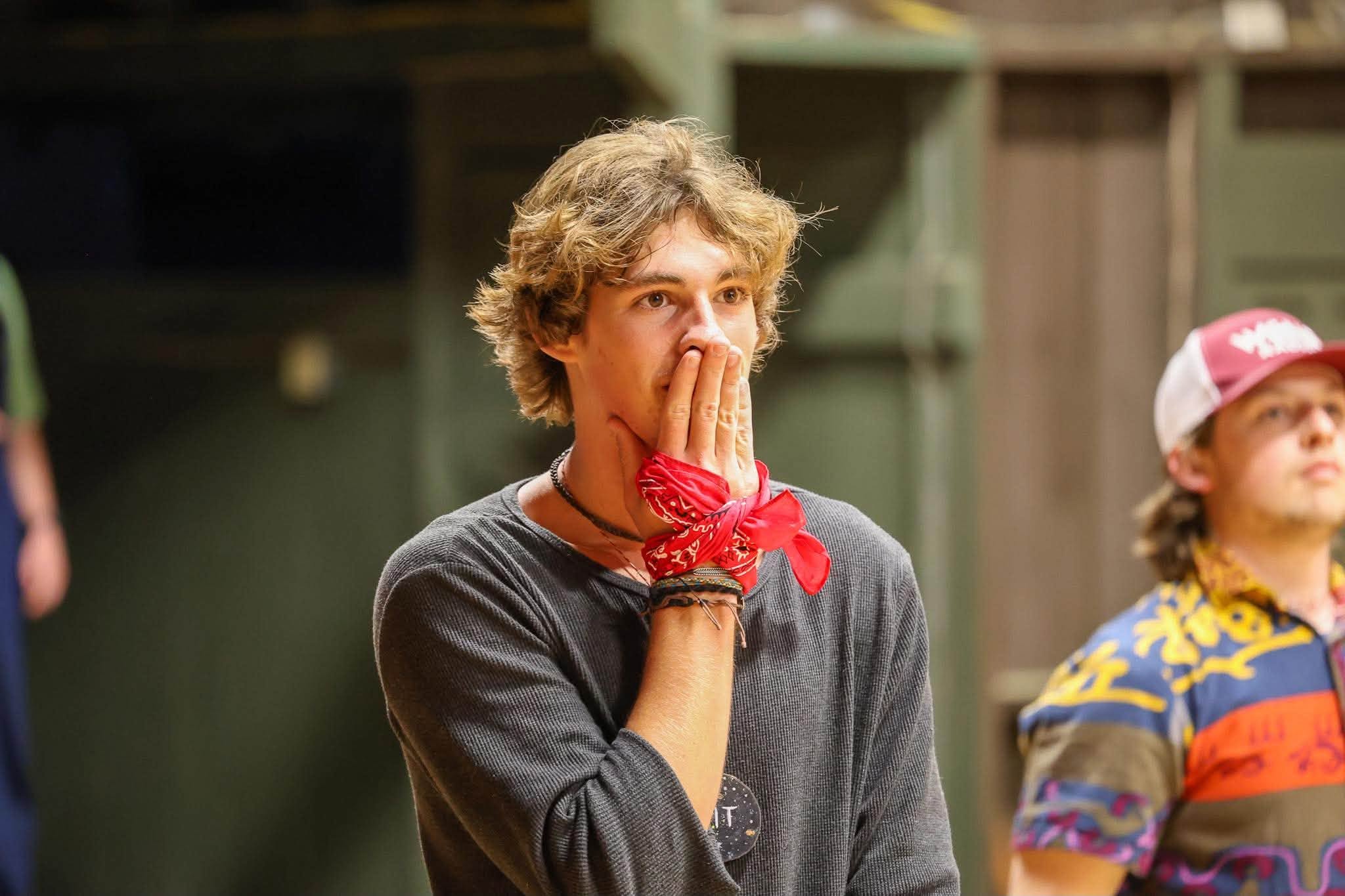
Kit loves adventures and pushing himself out of his comfort zone. It probably came as no surprise to us that he took on jobs that involved outdoor pursuits.
His certificates in Business, Outdoor Education and Sport and Recreation have all contributed to allowing him this lifestyle. He is currently in the United States in a leadership role at a summer camp in North Carolina.
He has always been someone who learns by doing and experiencing things firsthand. To earn money to get himself to America, he started his own window cleaning business where he quickly built up a client base.
His path shows how real-world learning can build confidence, adaptability and practical skill.
Chayse (18)

Chayse finished high school last year with great ATAR results, and whilst others around him were gearing up for university, he has chosen a different path. He has barely paused for breath before building a range of digital products for clients.
Chayse has bought and sold websites, created apps, taught himself all about AI, and is currently being considered for a role managing a team of content creators at a startup doing serious numbers.
At 18, the Candy Man is growing up.
But what really impresses us about Chayse is his ability to back himself. Even if he hasn’t quite got the experience or know-how, he is resourceful enough to find out and upskill himself in his pursuit and journey of being a young entrepreneur.
Akaisha (15)

Akaisha is still at school and is inspired daily by what she sees her siblings achieve and pursue in their lives. She was only a toddler when we created Enterprise for Kids, but the lessons in our blog are just as relevant today as they were all those years ago.
Fundamentals don’t change, but the opportunities and technology have expanded beyond anything we could have comprehended 15 years ago. In some ways, Akaisha will have opportunities the others could only dream of, but in that fast-paced world also lie challenges.
Navigating them all is a journey she is currently on.
Akaisha is already writing short stories, playing music, creating digital art in Procreate and exploring how AI might help her develop an app for writers to tell better stories. She also publishes on Substack.
Akaisha is fifteen and already finding her voice.
What Raising Young Entrepreneurs Really Taught Us
Looking back, the honey businesses, lolly bags, market stalls and money lessons were never only about money. They were about confidence. They were about courage. They were about helping children realise they could have an idea, take intentional action, solve a problem, communicate with people, handle mistakes and try again.
That is why Enterprise for Kids has always been about more than business. It is about raising children who can think, create, adapt and contribute. It is about helping children understand that they do not have to wait until adulthood to practise responsibility, leadership, creativity and initiative.
When people talk about young entrepreneurs, they often imagine a child making a lot of money or launching a flashy business. But for us, the deeper goal was always broader than that. We wanted our children to feel capable in the world. We wanted them to see opportunity. We wanted them to know that ideas matter, effort matters, relationships matter and courage matters.
That is the real story behind teaching our family entrepreneurship values. We were trying to raise kids who could meet life with imagination, confidence and purpose, and if it suited their nature, to do it in an entrepreneurial way.
For families wanting to start those conversations early, the Australian Government’s MoneySmart guide to teaching kids about money is a useful resource for making money part of everyday family life.
Why We Are Sharing These Young Entrepreneur Stories
We have been talking about relaunching this site for a while, and the timing finally feels right.
Trevor has been working hard behind the scenes rebuilding and updating the site, making it easier to navigate and better to read. That work is nearly done. And we have so much to share.
Over the coming months, we want to do something we have never quite done before: go back and connect the dots. We want to show you not just what we did with our kids when they were young, but what those early lessons actually led to today.
We want to tell each of their stories properly: the ventures, the mindset shifts, the failures, the wins, and the moments where you could see everything clicking into place.
We also have some new projects of our own to share when the time is right. But for now, this is us, saying hello again.
Where to Start If You Are New Here
If you are new here, welcome. A good place to begin is with our Family Enterprise Stories, where you can get a feel for where it all began.
You might also enjoy exploring our Kids Business Ideas, Money Lessons for Kids and Our Enterprising Kids Today sections, especially if you are interested in how young entrepreneurs grow through everyday family life.
If you have been here before, thank you for coming back. We have missed this.
The best chapters are still ahead.
— Cathy and Trevor
Key Takeaway
Key takeaway: Young entrepreneurs do not appear overnight. They grow through small, real-world experiences that build confidence, creativity, responsibility, resilience and the belief that their ideas matter.
Explore More Enterprise for Kids Stories
Keep exploring: These pages will help you follow the Enterprise for Kids journey from the early family projects through to where our children are today.