Teenage Entrepreneur Ideas from Cameron Herold

Child using a laptop with entrepreneur ideas on the wall for raising enterprising kids

Teenage entrepreneur ideas can come from the most unexpected places. Sometimes the very children who do not fit neatly into the traditional school mould are the ones with the energy, creativity and problem-solving ability to become enterprising adults.

“`

That is the powerful message I took from Cameron Herold, a successful entrepreneur and speaker who challenges parents and teachers to recognise entrepreneurial strengths in children.

“`

Cameron Herold sharing teenage entrepreneur ideas and advice for raising enterprising kids
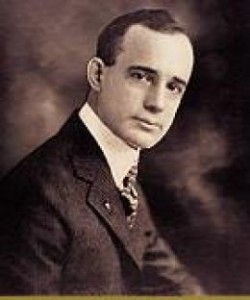
Cameron Herold’s message challenges parents and teachers to recognise entrepreneurial strengths in children.

Teenage Entrepreneur Ideas from Cameron Herold

I was looking for conversations about raising enterprising kids when I came across a very inspirational entrepreneur called Cameron Herold.

Cameron Herold is a successful entrepreneur with an excellent message for parents who want to raise children with entrepreneurial skills. He shares his own life story and also refers to the book Young Bucks: How to Raise a Future Millionaire by Troy Dunn.

What really caught my attention was Cameron’s view that many children with entrepreneurial potential are sitting in classrooms right now, but their strengths are not always being recognised.

Some children do not naturally fit into the regular schooling mould. They may be energetic, intense, talkative, distracted, creative, restless, curious or constantly looking for a different way to do things.

In a traditional classroom, those traits can sometimes be seen only as problems. Cameron’s message is that some of those same traits may also be signs of entrepreneurial thinking.

This does not mean genuine learning, behavioural or health needs should ever be ignored. Parents, teachers and health professionals all have important roles to play. But it does mean we should be careful not to miss the strengths that can sit beside those challenges.

Are Some School Challenges Entrepreneurial Strengths?

Steve Jobs as an example of creative entrepreneurial thinking and innovation
Creative thinkers do not always follow the expected path.

In his talk, Cameron Herold speaks openly and provocatively about children who are labelled as difficult, distracted or different. He argues that some of these children may have the raw traits of future entrepreneurs.

He even uses the line, “Bipolar is the CEO disease,” to make his point that intensity, drive and unusual thinking can sometimes show up in successful entrepreneurs and leaders.

That statement is deliberately provocative, and it should not be taken as medical advice. But the deeper message is worth considering.

What if some children who struggle with the school system are not simply “naughty” or “lazy”?

What if some of them are actually wired to create, sell, lead, negotiate, build, question and solve problems?

As a teacher and parent, this made me think deeply. There are certainly children who love the school system, enjoy academic pathways and are happy to work towards a traditional career. That is wonderful.

But there are also children who do not fit so neatly. For those children, entrepreneurship may offer another pathway to confidence, purpose and success.

Schools Often Prepare Children for Jobs, Not Enterprise

Cameron Herold makes the point that schools rarely teach children how to think like entrepreneurs.

Schools often condition children to fit into jobs, follow instructions, complete tasks, wait for permission and work towards a salary. Those are useful skills in many parts of life, but they are not the only skills children need.

Enterprising kids also need to learn how to:

  • spot opportunities,
  • solve problems,
  • negotiate,
  • sell an idea,
  • communicate clearly,
  • take initiative,
  • manage money,
  • learn from failure,
  • and keep going when things become difficult.

Cameron’s view is that entrepreneurship is not simply an inherited trait. It can be taught, modelled, practised and encouraged.

That is very encouraging for parents. It means we do not need to wait and see whether our children are “born entrepreneurs.” We can help them develop the skills of enterprise through real-world learning.

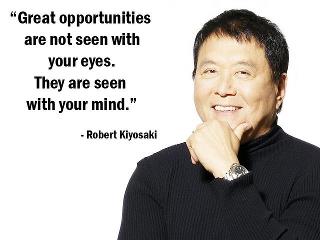
Robert Kiyosaki quote about entrepreneurship and learning outside the traditional school system

Teenage Entrepreneur Ideas Need Mentors

Entrepreneurs often learn through necessity, observation, family example or mentorship. Some children grow up around business owners and naturally absorb the language of enterprise. Others need someone outside the family to spark that thinking.

That is why mentors, books, videos, real-life stories and practical experiences matter so much.

If we want our children to learn about entrepreneurship, someone needs to teach it. That someone might be a parent, grandparent, teacher, coach, family friend, local business owner or online mentor.

This is one of the reasons we created Enterprise for Kids. We wanted our children to see that business, money, creativity and problem-solving were not only adult topics. They were life skills children could begin learning early.

Cameron Herold’s TED Talk on Raising Enterprising Kids

Cameron Herold TED talk about raising kids to be entrepreneurs
Cameron Herold’s TED talk is well worth watching if you are interested in raising enterprising kids.

Cameron Herold offers many excellent suggestions in his talk, “Let’s raise kids to be entrepreneurs”.

If you are following our blog, you are probably a parent who wants to give your children more opportunities and choices in life. That includes helping them develop enterprise skills, money skills and the confidence to think differently.

Cameron’s talk is a must-see. It goes for about 15 minutes, but it contains many ideas that can change the way you see children, schooling and entrepreneurship.

The “Gift of Want”

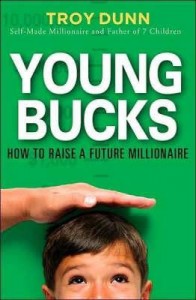
Young Bucks How to Raise a Future Millionaire book for parents raising entrepreneurial kids
Young Bucks: How to Raise a Future Millionaire.

In his talk, Cameron refers to the book Young Bucks: How to Raise a Future Millionaire by Troy Dunn.

Troy Dunn is also a self-made millionaire and successful entrepreneur. He also happens to be a father of seven children, just like us, so I found his perspective especially interesting.

In the book, Dunn explains that the first prerequisite for a young entrepreneur is the “Gift of Want.”

In other words, children need a real reason to pursue an enterprise idea. They need to want something badly enough to get started and to keep going when things become difficult.

This is such a practical insight for parents.

Many adults want children to be motivated by responsibility, discipline or long-term success. But children are often first motivated by something much more immediate: a toy, a bike, a game, a trip, a pet, an experience, a gift or a personal goal.

That desire can become the starting point for real learning.

From there, parents can guide children into lessons about planning, researching, marketing, pricing, negotiating, saving, giving and following through.

Practical Teenage Entrepreneur Ideas from Cameron Herold

Cameron Herold’s message is not only philosophical. It is also practical. He gives parents ideas for helping children develop entrepreneurial habits at home.

One of his strongest suggestions is to rethink pocket money.

Instead of simply giving children a regular allowance, he suggests teaching them to look for jobs that need doing around the house and then negotiate a fee for completing them.

That small shift teaches children several important enterprise skills:

  • looking for opportunities,
  • noticing problems that need solving,
  • putting forward an offer,
  • negotiating value,
  • completing work properly,
  • and understanding that money is connected to value creation.

That is a far more enterprising lesson than simply receiving a regular payment without needing to think, negotiate or act.

Teach Children to Save, Give and Buy Assets

Cameron also talks about teaching children strong money habits.

One simple idea is to use money boxes or jars with different purposes. For example, children can divide their money into:

  • Giving: money for charity, tithing, community support or helping others.
  • Spending: money for toys, treats or things they want now.
  • Assets: money for savings, investments, tools, equipment or future enterprise ideas.

This teaches children that money has choices attached to it. It is not only for spending. It can also be used to give, grow and create more opportunities.

This connects closely with our own family lessons around teaching children the difference between assets and liabilities.

Use Real Life as the Classroom

One of the most powerful ways to raise enterprising kids is to use real life as the classroom.

When you are in a restaurant, point out good customer service. When you see a strong salesperson, discuss what made them effective. When a business solves a problem well, talk about it. When a product is poorly designed, ask your children how they would improve it.

Encourage your children to:

  • sell unwanted toys,
  • make and sell something small,
  • build inventions,
  • tell stories,
  • practise speaking to people,
  • notice problems around them,
  • and think of ways to create value.

These activities may seem simple, but they build confidence. They help children see themselves as people who can create, solve, serve and earn.

Raising Enterprising Kids Means Seeing Children Differently

Cameron Herold has allowed me, as a school teacher, to see some children in schools differently.

I can see that there are children who love the system and are more than happy to work towards a traditional career. That pathway suits many children well.

But I can also see that there are other children who do not fit so easily into the system. Some of those children may be budding entrepreneurs without knowing it yet.

They need someone to recognise the entrepreneur within them and provide opportunities for those strengths to develop.

This does not mean every child needs to become a business owner. It simply means children deserve the chance to develop enterprise skills: initiative, communication, creativity, leadership, resilience, sales, money management and problem-solving.

Those skills will help them whether they become entrepreneurs, employees, artists, tradespeople, professionals, community leaders or something else entirely.

Key Takeaway: Teenage Entrepreneur Ideas Start With Strengths

Key takeaway: teenage entrepreneur ideas do not always start with a business plan. They often start with noticing a child’s strengths, interests, frustrations and natural ways of thinking. Cameron Herold’s message reminds us to look for the entrepreneur within the child and give that child real opportunities to practise enterprise.

Where to Next?

What entrepreneurial strengths do you see in your child, and how could you give them a real-world opportunity to practise those strengths?

Entrepreneurship Games for Students: Flynn’s Green SuperCamp Reflection

entrepreneurship games for students Flynn at Green SuperCamp Bali

Entrepreneurship games for students can help young people develop confidence, leadership, resilience and teamwork through real-world experiences. Twelve-year-old Flynn confidently walked through the international airport departure gate, heading off to Bali for an experience of a lifetime at Green SuperCamp Bali.

Although Flynn was excited, saying goodbye at five in the morning and watching him leave Australia without us for more than a week filled us with both pride and nerves.

Flynn participating in entrepreneurship games for students at Green SuperCamp Bali
Flynn enjoying the activities at Green SuperCamp Bali.

Entrepreneurship Games for Students at Green SuperCamp

Students learning quantum strategies at Green SuperCamp Bali
Learning Quantum learning strategies.
Entrepreneurship games for students including Balinese martial arts activities
Balinese martial arts in the mud pit!

When Cathy and I first learnt about Green SuperCamp, we immediately recognised the tremendous character-building benefits it could provide for our children.

The activities challenged students physically, emotionally and mentally. They also helped the children build confidence, courage and self-belief.

Many activities at camp acted as entrepreneurship games for students. They encouraged teamwork, leadership, perseverance and problem-solving — all important qualities for future entrepreneurs.

Students building focus and discipline at Green SuperCamp Bali
Focus…
Students building confidence through entrepreneurship games for students
… self confidence…
Students learning determination at Green SuperCamp Bali
… determination!

We wanted to share Flynn’s experience on our Enterprise for Kids blog because we strongly believe the values taught at Green SuperCamp help build future leaders and entrepreneurial kids.

Flynn’s Reflection on Green SuperCamp Bali

Below is Flynn’s reflection written in his own words after returning home from camp.

Students participating in cultural activities at Green SuperCamp Bali
The Balinese mud dance!
Fun entrepreneurship games for students at Green SuperCamp Bali
Green SuperCamp was an awesome experience!

“SuperCamp was an absolutely awesome experience!

The biggest challenge that I faced was going to Bali on my own without my parents. I just knew that I wanted to go on the Green SuperCamp, and to do that I had to go on my own.

I loved trying all the fun activities like mud wrestling, the high ropes course, Balinese dancing and seeing all the zoo animals.

Students participating in teamwork activities at Green SuperCamp Bali

I became friends with kids from all over the world. There were kids from America, Australia, Bali, Indonesia, London, India, New Zealand and Japan.

Everyone there was really nice, happy and determined to persevere through challenges. I liked everyone at Green SuperCamp!

One of my favourite activities was the mud fighting because I learnt self-defence and how to throw people over my back. This activity taught me perseverance and the importance of never giving up.

Leadership and Entrepreneurship Games for Students

Students learning leadership and entrepreneurship strategies
Learning…
Key success strategies taught at Green SuperCamp Bali
… the key to success!

We were taught Quantum strategies to think and learn. As a result, my reading became seven times faster.

The Bali Green SuperCamp was a fantastic experience. I think everyone should have a chance to go!”

Watch Flynn sharing his Green SuperCamp experience after returning home.

Positive Changes After Camp

Team-building entrepreneurship games for students
Team building…
Students learning responsibility and teamwork at Green SuperCamp
… responsibility and care!

Since returning home, we have noticed a number of positive changes in Flynn. His teachers commented that he had been making a real effort at school and staying away from mischief.

He even started reading books willingly — something he usually avoided. In fact, Flynn reached his school reading goal within only three weeks.

In addition, he showed greater responsibility with chores, stronger focus in soccer and more confidence in everyday life.

Experiences like these demonstrate how entrepreneurship games for students and leadership activities can positively influence young people long after camp finishes.

To learn more about Green SuperCamp and its programs, visit SuperCamp International.

Key Takeaway: Entrepreneurship Games for Students Build Confidence

Key takeaway: Entrepreneurship games for students help children build confidence, resilience, leadership and teamwork through real-world learning experiences.

Where to Next?

If you enjoyed this Green SuperCamp story, you may also enjoy:

Next up we share Jai’s experience at Green SuperCamp Bali!

We would love to hear your thoughts, so please leave a comment below.

Youth Entrepreneurship: Why Our Kids Wanted to Attend Green SuperCamp

Jai and Kaitlin with students at Green SuperCamp Bali learning leadership and youth entrepreneurship skills

Youth entrepreneurship often begins with confidence, leadership and real-world learning experiences. We were delighted that our three eldest children were able to attend Green SuperCamp Bali, where they had life-changing experiences that gave them new understandings and beliefs about themselves.

These experiences will stay with them forever. For Kaitlin, Jai and Flynn, Green SuperCamp was a chance to step outside their comfort zones, meet new people and begin thinking differently about their future.

youth entrepreneurship at Green SuperCamp Bali with Kaitlin in a crowd
Kaitlin attending Green SuperCamp Bali.

Youth Entrepreneurship and Green SuperCamp Bali

Each of our kids applied for a Green SuperCamp scholarship. The scholarships would help us cover the cost of the camp. Kaitlin, Jai and Flynn each wrote why they wanted to attend.

We were very inspired by the passionate words they wrote in their applications. Their writing showed us how much they wanted to grow, learn and take hold of new opportunities.

Below we have some words from Kaitlin. We are very proud of her passion and talent in getting her message across to the organisers of the SuperCamp.

You may also enjoy reading Amber’s Green SuperCamp reflection, where she shares what she learnt from her own camp experience.

Kaitlin’s Green SuperCamp Scholarship Application

Here’s what Kaitlin wrote:

“I am the eldest of seven children in my family. We have been brought up to strive for excellence and to aim as high as we can. My parents have always been determined to give us kids the best opportunities possible to get the best out of life.

This year I have started year 11, and have found it quite difficult. I have been held up by limitations of my time and motivation. I would love to attend the “Green Super Camp” in order to break these barriers. I want a life where I can be a role model and inspiration for my siblings and others. I want to be able to contribute to the world and show so many people a way to be free, but I’m still trying to work out how to get there.

youth entrepreneurship and confidence building at Green SuperCamp Bali
Kaitlin taking part in confidence-building activities at Green SuperCamp Bali.

I’m so keen to develop a mindset for success. I want to meet new people from around the world, and absorb their confidence and energy. My goal is to become a school prefect or Head Girl and to be accepted into University.

To do this I need to understand and learn about myself. I want to know what it takes to be a leader and to be confident in myself to be one.

If I receive this Scholarship, I would be determined, open and ready, to absorb all the information possible for me to be the best person I can and to motivate others to be the same. This is an experience of a lifetime, and I’m ready for it now.”

Why Youth Entrepreneurship Starts with Confidence

Kaitlin’s words show that youth entrepreneurship is not only about starting a business. It is also about confidence, leadership, courage and the willingness to grow.

Before children can step into real-world opportunities, they often need to believe they are capable. Experiences like Green SuperCamp can help young people see themselves differently.

For Kaitlin, the camp offered a chance to break through barriers, meet inspiring people and learn tools that could help her become a stronger leader.

Real-World Learning for Young Entrepreneurs

Green SuperCamp gave our kids the opportunity to learn outside the normal classroom. They were challenged physically, emotionally and socially.

These kinds of experiences matter because young entrepreneurs need more than ideas. They need confidence, communication skills, resilience and the ability to take action.

For more information about the broader Green School Bali philosophy, you can read our earlier post on Green School Bali Leading the Way.

You can also visit Green School Bali to learn more about their approach to education and sustainability.

Youth Entrepreneurship Through Leadership and Action

When children attend camps, join projects, speak up, set goals and work with others, they are building many of the same skills needed for youth entrepreneurship.

They learn to take responsibility. They practise courage. Most importantly, they begin to see that their actions can make a difference.

Kaitlin wanted to be a role model for her siblings and others. That desire to contribute, lead and grow is a powerful foundation for future enterprise.

Key takeaway: Youth entrepreneurship begins long before a child starts a business. Confidence, leadership, goal setting and real-world learning all help children believe they can create opportunities and contribute to the world around them.

Where to Next?

If you enjoyed this post about youth entrepreneurship and Green SuperCamp Bali, you may also like:

You will have to wait for the next blog to discover what each of them learnt from their camp experience! Until then…

SEO title:

Young Entrepreneurs: Flynn’s Honey Turns to Gold

Flynn extracting honey for his kids business story

Young entrepreneurs often learn best through real projects, real products and real customers. Flynn’s honey business became one of those practical childhood ventures that taught far more than we expected.

This is Part 3 of Flynn’s honey business story, where the raw honey was poured, labelled, priced, sold and finally turned into real profit.

Young entrepreneurs learning through Flynn selling honey in his family business
Flynn’s honey business became a real lesson in enterprise.

Young Entrepreneurs: Flynn’s Honey Turns to Gold

This family enterprise story shares how Flynn turned 90kg of raw honey into his first small enterprise. From filling jars and creating labels to pricing, selling and solving problems, his honey business became a real-life lesson in initiative, confidence, money, marketing and responsibility.

For young entrepreneurs, these are the lessons that often matter most. They are not just reading about business or talking about ideas. They are doing the work, making decisions, dealing with problems and seeing what happens when an idea becomes real.

A Real Business Project for Young Entrepreneurs

Flynn’s honey enterprise became one of those practical childhood projects that taught far more than we expected. It gave him the chance to handle a real product, work with others, think about presentation, understand pricing, serve customers and solve problems along the way.

If you have been following the honey story, you will know this was not the beginning. Flynn’s honey venture started with Honey Pot of Gold, where he first shared his family business idea, and continued in Flynn’s Honey Investment Continued, where he harvested honey with his Grandad and made his first serious investment.

The Opportunity: 90kg of Raw Honey

When we last visited Flynn and his honey enterprise, he had just acquired 90kg of quality raw honey from his Grandad’s beehives in Geraldton. Flynn had also placed a bulk order for plastic honey pots.

He was now ready to fill them up and make his first sale.


Warming raw honey for Flynn’s young entrepreneurs business story
Warming the honey.

Honey pots ready to fill for Flynn’s honey business
Honey pots ready to fill.

Preparing the Honey for Pouring

His honey was held in buckets that weighed over 10kg. Getting the honey from the buckets into the 400g honey pots was not going to be easy.

Firstly, the honey was very thick, making it tedious to decant into the pots. Secondly, it required strength to hold the honey bucket while pouring.

Flynn called on his mates to help. He poured the buckets into a large pot and heated the honey to 50 degrees Celsius. This temperature was not high enough to destroy the enzymes that make raw honey so beneficial, but it was high enough to make the honey more fluid and easier to pour.


Flynn filling jars of honey for his young entrepreneurs business project
The production line.

Flynn and friends filling honey pots for a childhood business
Quick! Gimme another pot!

Setting Up the Production Line

The kitchen table was wiped down and set up for the honey pot production line. The team were excited about finally seeing the product in the pots. I helped pour, while Flynn and his gang filled and capped jars.

The jars were washed on the outside to ensure there was no stickiness, then labelled with Flynn’s “Howitt’s Honey” labels.

This was one of the first times Flynn could see how much work sits behind a product before it is ready for customers. It is one of the practical lessons young entrepreneurs only really understand when they have to prepare a product themselves.


Flynn’s honey business production line at the kitchen table
Mmmm… smells good!

Rinsing honey pots before labelling Flynn’s honey jars
Giving each pot a rinse in fresh water.

Packaging and Branding the Honey

Flynn’s product looked clean, pure and professional. He understood that to get a market edge and sell his honey for a premium, his first-class product needed to be well packaged and hygienic.

Flynn carefully drew up a poster pointing out the benefits of his product. This was attached to the boxes containing the honey pots.

He was not just selling honey; he was learning about presentation, trust, product quality and brand identity. These are powerful money lessons for kids, especially when they are connected to a real product and real customers.


Jars of honey prepared for Flynn’s childhood business
First batch stacked and ready to label.

Honey jars labelled and ready for sale in Flynn’s small business
The labels!

Selling the Honey: Young Entrepreneurs Learn by Doing

Flynn researched what honey was selling for in shops and online. He worked out what he could sell his honey for and still make a decent return. To provide an incentive to customers, he offered a special price if they bought more than one pot at a time.

Marketing his honey required little effort at first. Visitors to our home took an interest in his honey, and his honey began to sell.

He gained permission from his school principal and left a box in the staffroom. He organised with a teacher friend of ours from another school to place a box in their staffroom, and he approached the local general store, where he was allowed to sell his pots of honey for a small commission.

This is where kids business ideas become more than ideas. Flynn had to think about pricing, placement, presentation, customer trust and repeat sales.


Developing the Howitt’s Honey brand for Flynn’s small business
Developing the brand “Howitt’s Honey”.

A Real Business Problem for Young Entrepreneurs

His honey was selling well, and it was not long before he needed to restock all his boxes. As word got out about his product, people even began placing small orders by telephone.

Flynn’s “Howitt’s Honey” business went very well, except for one problem.

Raw honey has many benefits that you would be hard pressed to find with heavily processed honey. However, a downside with raw honey is that, over time, it can candy, or begin to solidify. This occurs especially when the room temperature drops, such as during winter.

Flynn’s honey that had been waiting to be sold began to candy in the honey pots. People do not generally want to buy honey that has hardened, which is why commercial honey producers often process honey using heat to reduce crystallisation.

Luckily, this problem only happened to the last remaining pots that had been waiting for sale. He brought these home, opened them up, scraped the honey into a pot and heated it back to 50 degrees Celsius. This liquefied the honey again, and he returned it to the pots. We bought those last pots for our family.

The lesson learned was that Flynn needed to sell his raw honey product before it showed signs of candying. He also needed to inform customers about what to do if their honey began to crystallise.

That is the sort of problem-solving young entrepreneurs remember, because the lesson comes from experience rather than a worksheet.

Profit, Pride and What Flynn Learned


Profits from Flynn’s honey enterprise and young entrepreneurs story
Profits from Flynn’s Honey Enterprise.

Flynn’s net profit from his honey enterprise was outstanding. He achieved the goal he set before he began, plus much more. He learned many lessons along the way and recognised that it was a lot of work, but satisfying work.

Flynn became an expert in his own honey business and gained enormous skills and understandings of how to run an enterprise.

This is one of the real family enterprise stories that helped shape how we think about raising entrepreneurial kids through everyday experience.

Flynn may now be ready to take his honey enterprise to another level. We hope to guide Flynn to move from being a small business owner to thinking more like an entrepreneur. How we do that will be shared in another Enterprise for Kids blog.

As a story about young entrepreneurs, Flynn’s honey enterprise shows how a simple family opportunity can become a real lesson in money, initiative, marketing and responsibility.

Flynn’s Honey Business Series

This article is Part 3 in Flynn’s honey business series, a family enterprise story about young entrepreneurs, family business ideas, money lessons for kids and learning by doing.

These posts show how children can learn by doing, rather than just being told about business, money and opportunity.

For Families Interested in Honey Enterprise

For those interested in having your own honey enterprise, or keeping a beehive for a regular supply of raw honey for family and friends, you could seek out an expert, such as Flynn or his Grandad, or do a course.

For readers interested in honey handling and food safety, the Australian Honey Bee Industry Council provides information about Australian honey and beekeeping.

Key Takeaway: Young Entrepreneurs Learn by Doing

Key takeaway: Young entrepreneurs do not need perfect conditions to begin. Flynn’s honey business started with a family opportunity, a quality product and the courage to take action. Through the process, he learned about pricing, branding, selling, customer trust, problem-solving and profit.

We would love to hear from you, so please leave a comment.