Inside Green School Bali: The Bamboo School That Changed How We Thought About Education
Green School Bali is unlike almost any school we had encountered before.
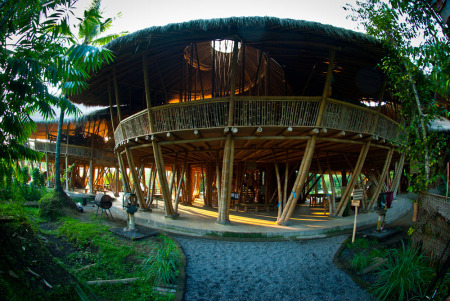
Built largely from bamboo in the forest of Bali, this remarkable school combines nature, creativity, sustainability and real-world learning in a way that immediately challenges conventional ideas about what school should look like.
But what interested our family most was not simply the extraordinary bamboo architecture.
It was the question behind it: what happens when a school is deliberately designed to make children curious, engaged, creative and connected to the real world?
After hearing Green School Bali’s principal speak about its philosophy, and later seeing our own children experience some of those ideas through Green SuperCamp, it became one of those educational experiences we continued talking about for years.
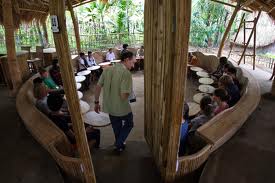
Green School Bali, the remarkable bamboo school set within the forests of Bali.
Editor’s note: This article was originally written during our early Enterprise for Kids journey and has been refreshed with updated formatting, links and reflections while retaining our original family experience of Green School Bali.
Green School Bali: A Different Vision for Education
Imagine a school with a natural, holistic, student-centred learning environment that encourages young people to be creative, innovative, environmentally aware and connected to the real world.
Many schools aspire to this kind of vision, but few capture the imagination quite like Green School Bali.
Located in the forests of Bali, Indonesia, the school is famous around the world for its remarkable bamboo buildings. This is why people searching for the bamboo school in Bali are often looking for Green School Bali.
But the buildings are only one part of the story.
The school also stood out to us because of its philosophy, curriculum, connection with nature and its willingness to question conventional ideas about how children learn.
You can learn more about the school today through the official Green School Bali website.
Why Green School Bali Is Known as the Bamboo School

One of the first things that makes Green School Bali unforgettable is the campus itself.
The school was constructed largely from bamboo and natural materials, creating buildings that seem to belong to the tropical landscape rather than sit apart from it.
For anyone searching for “bamboo school Bali” or “Bali bamboo school”, this extraordinary campus is usually what first captures their attention.
But the bamboo architecture also reflects something deeper about the school’s philosophy. Sustainability and connection to the natural environment were not simply topics children studied from a textbook. They were visible in the place where the children learned every day.
Students were involved in practical learning connected with sustainability, food, animals and environmental responsibility.

When this article was originally written, bamboo homes also surrounded the school. Local and international families had chosen to live in Bali so their children could experience this different approach to education.
There were also studios being developed with the idea that entrepreneurs could work nearby and students could gain exposure to real businesses.
That particularly interested us because it connected education with something we have always valued at Enterprise for Kids: letting children encounter the real world rather than keeping learning completely separate from it.
A Presentation That Challenged Our Thinking
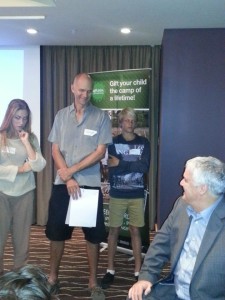
Cathy, myself and our kids had the opportunity to attend an excellent presentation in Perth about Green School Bali.
The principal at the time, Mr Alan Wagstaff, showcased the school and spoke passionately about its philosophy on education.
Green School Bali was turning heads, but what stayed with us was not simply the novelty of a beautiful school made from bamboo.
Alan spoke about student engagement, relevance, creativity and preparing children for life beyond the classroom.
It raised a question that fitted closely with many of our own ideas about raising children:
Is education mainly about compliance, testing and delivering content, or should it also help children develop confidence, initiative, creativity, problem-solving and a sense of purpose?
That question stayed with us.
Why Green School Bali Mattered to Our Family
At Enterprise for Kids, we have always been interested in experiences that help children become capable, confident and enterprising.
Literacy and numeracy are important, but children also need opportunities to create things, lead, solve problems, manage money, communicate, work with others and discover what they are capable of.
That is why Green School Bali stood out to us.
The philosophy connected closely with the way we were already thinking about raising entrepreneurial kids.
Children need space to think, question, experiment, make mistakes, solve real problems and connect what they are learning with the world around them.
They also need practical life skills such as financial education for kids, communication, responsibility and initiative.
What Makes Green School Bali So Different?
One of the most powerful ideas behind Green School Bali was that children should not simply be treated as numbers sitting at desks waiting to be told what to do next.
Ideas were encouraged to be noticed, explored and developed.
Creativity was not treated as something extra to squeeze in after the “important” subjects had been completed. It formed part of the learning environment itself.
That kind of educational philosophy speaks strongly to families who want children to grow into confident, creative and capable young people.
Student Engagement and Real-World Learning
Alan Wagstaff was very direct about one of the problems he saw in conventional education: older students can become disengaged from their learning.
Many children reach a point where they question how much of what they are learning will matter once they leave school.
We heard similar comments from our own teenage children. I can also think back to parts of my own schooling and teacher training where the content seemed disconnected from the skills I later needed in work and everyday life.
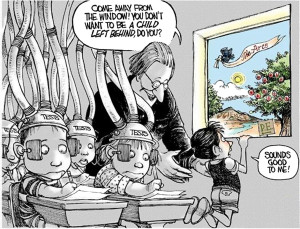
Alan challenged the way school timetables are traditionally structured.
Rather than allowing the entire day to revolve around disconnected subjects, Green School Bali explored more student-centred and integrated learning.
Literacy and numeracy matter enormously, but they are not the whole picture of a child’s development.
Children also need creativity, enterprise, emotional intelligence, communication, physical development, curiosity and meaningful connections between learning and life.
What Creates Life Success?
What is it about schooling that actually helps create success in life?
One powerful starting point is surprisingly simple:
Children need to turn up engaged.
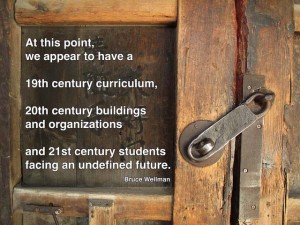
When children are curious, interested and engaged, learning becomes more meaningful.
Their education needs to feel realistic and relevant to them as individuals.
Every day, children are developing academically, socially, emotionally and practically. Their progress cannot always be understood simply by comparing them with somebody else.
Parents can ask not only, “How does my child compare?” but also:
What is my child learning? What are they becoming? What strengths are beginning to emerge?
How Green School Bali Teaches Children
Alan explained how children were being educated at Green School Bali at the time of our original article.
Programs were structured around themes and collaboratively planned by teacher team leaders. Teachers then incorporated proficiency lessons within those broader themes.
Students could see the continuum of what they needed to learn in different areas of the curriculum and work towards those skills at an appropriate level.
Over time, this approach helped children take more responsibility for their own learning.

Within the broader themes, students followed interests, developed ideas, identified what they needed to learn and took part in investigations and study groups.
Every day, children were challenged across what Alan described as the Big Four: physical, emotional, intellectual and interpersonal learning.
For example, if the broad theme was “Waves”, learning might include:
- Physical: experiencing waves by surfing.
- Emotional: painting a wave or creating a wave melody.
- Intellectual: investigating how waves form.
- Interpersonal: sitting beside the waves and reflecting or meditating.
Instead of treating knowledge as a series of completely separate compartments, children could explore one theme through several different kinds of learning.
Learning Beyond the Classroom
Another part of Green School Bali that appealed strongly to us was its connection with authentic experience.
Alan explained that opportunities were used to provide practical real-life learning in areas such as:
- environmental education
- health and wellbeing
- performing arts
- enterprise education
- visual arts
- connection with the wider world
Learning did not have to stop at the edge of the school grounds.
Adults, businesses, the environment and the surrounding community could all become resources for learning.
This connects strongly with the kind of family adventure and real-world learning we have tried to create with our own children.
A School Designed for Engagement
Green School Bali’s aim was for children to want to go to school and to become genuinely engaged in what they were learning.
The emphasis was on relevance, purpose and valuing individual students rather than relying only on testing and comparison.
Comparison can place unnecessary pressure on children.
A more meaningful question may be whether a child is discovering what they are capable of and beginning to understand how their learning connects with their life.
Green School Bali as an Example of What Education Could Become

When our original article was written, Green School Bali was still relatively young, yet it had already attracted considerable attention from families and educators interested in sustainability and alternative approaches to education.
Alan Wagstaff and the school’s founders had a vision to create change by demonstrating another way of educating children.
Instead of simply waiting for education systems to change from the top down, Green School Bali was attempting to model something different from the ground up.
For us, that was one of the most powerful aspects of the story.
It showed us that education could be creative, practical, sustainable and genuinely connected with real life.
Our Kids’ Green School Bali Experience Through Green SuperCamp

Our family’s connection with these ideas did not end with listening to a presentation.
Another way our children experienced the broader Green School Bali philosophy was through Green SuperCamp.
Kaitlin, Jai and Flynn attended Green SuperCamp and came back full of stories, experiences and new ideas.
At the time of this original article, we were planning for them to attend again along with our eleven-year-old daughter Amber.
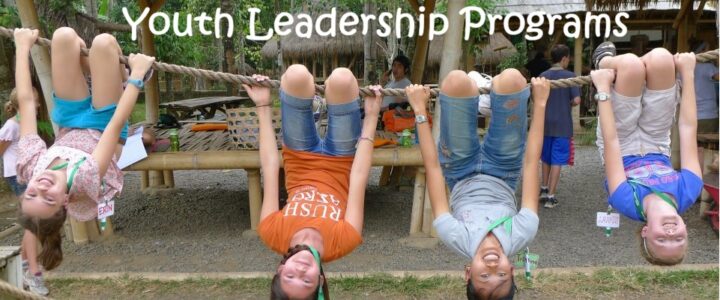
The experience reinforced many of the same ideas that had first attracted us to Green School Bali: confidence, leadership, teamwork, reflection, challenge and learning by doing.
You can read more about why our kids wanted to attend Green SuperCamp.
Flynn’s Green SuperCamp Reflection
Rather than only hearing our interpretation, you can also hear directly from Flynn about his experience:
John Hardy, Founder of Green School Bali
Green School Bali founder John Hardy has also spoken publicly about the thinking behind the school and its remarkable bamboo campus.
What Parents Can Take from Green School Bali
Most families are not going to move to Bali simply so their children can attend Green School Bali.
But that does not mean the ideas have nothing to offer us.
The strongest lesson we took from the experience was that children need much more than academic content alone.
They also need connection, creativity, challenge, responsibility, practical skills and opportunities to discover who they are becoming.
At home, this might mean:
- giving children genuine responsibilities
- encouraging them to start small projects or ventures
- allowing them to solve real problems
- helping them manage money and resources
- valuing creativity, nature, movement and reflection
- introducing them to interesting adults and mentors
- connecting learning with everyday life rather than only school results
We do not have to recreate Green School Bali to borrow some of the thinking behind it.
The Question Green School Bali Left Us With
Years after first hearing about Green School Bali, perhaps the most valuable part of the experience is still the question it encouraged us to ask.
What are we actually preparing our children for?
If the answer is life, then children need opportunities to become more than good students.
They need opportunities to become thinkers, creators, communicators, problem-solvers, leaders and people capable of navigating a changing world.
Green School Bali did not give us one perfect model to copy.
It gave us something more useful: a reason to question what education could look like.
Those ideas continue through many of our family enterprise stories and in the very different paths taken by our enterprising kids today.