Business Ideas for Students: Chayse the Candy Man

Business ideas for students shown through Chayse selling lolly bags with Kit and Amber

Business ideas for students do not have to be complicated. Sometimes they begin with a four-year-old, a box full of lolly bags, a soccer ground full of hungry kids and a very determined little Candy Man.

This is Part 3 of Chayse’s Candy Man story, where his lolly bag idea moved from planning and preparation into real selling, real customers and real profit.

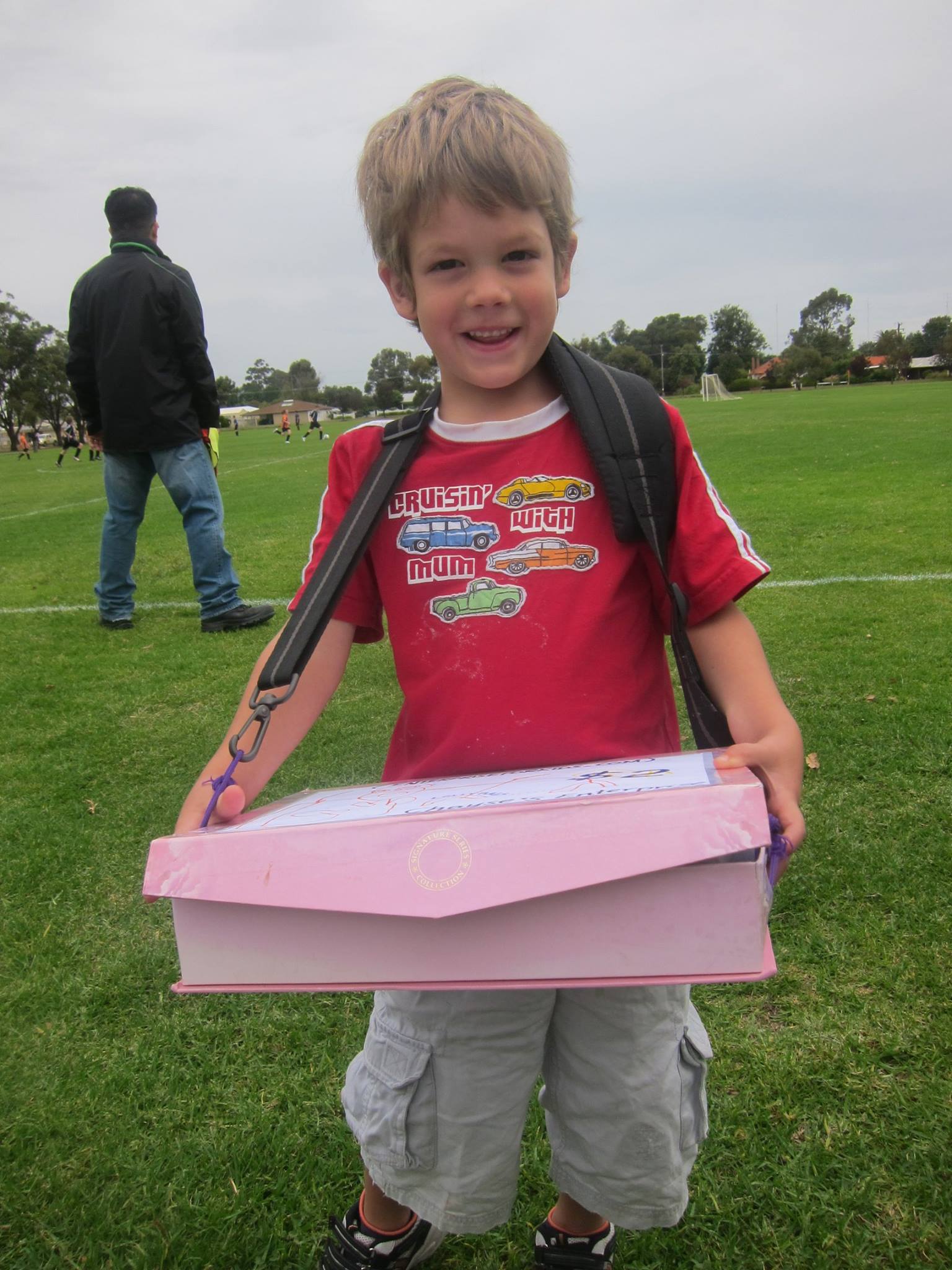
Business ideas for students shown through Chayse selling lolly bags at the soccer grounds
Chayse selling lolly bags at the soccer grounds as part of his Candy Man enterprise.

Business Ideas for Students: Chayse the Candy Man

We thought it was time that we revisited our little Candy Man Chayse. When we last followed his enterprising adventure, he had bought his lollies and bagged them up ready to sell.

If you missed the earlier parts of Chayse’s journey, you can follow the story from the beginning:

Now he has to find a market for his product and learn to be a salesman. Before we share Chayse’s exciting adventure, we thought it would be interesting to consider the benefits of children earning pocket money through enterprise, as opposed to children receiving a weekly allowance.

Why Business Ideas for Students Build a Different Mindset

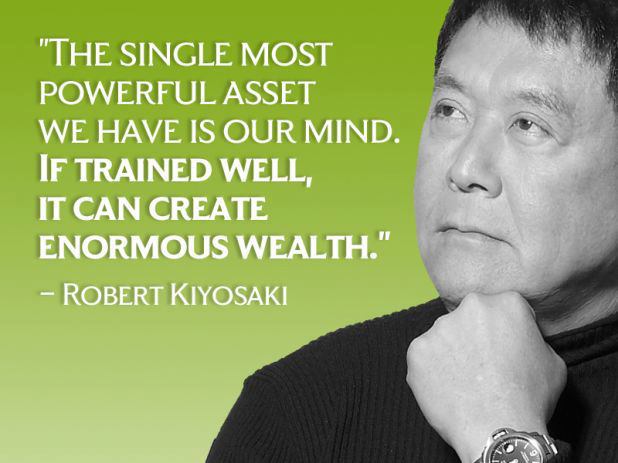
Robert Kiyosaki quote about wealth and entrepreneurial thinking for children

Children earning pocket money through enterprise will develop the mindset and skills of an entrepreneur. Giving children a weekly allowance can condition them to think like “workers”.

Robert Kiyosaki describes a worker as someone prepared to give their time for money, whilst an entrepreneur builds systems and businesses that produce cash flow. Workers are more often than not time poor and cash poor, whilst entrepreneurs are generally time rich and cash rich.

Why is it then that the vast majority of us leave school and become workers?

A child receiving a weekly pocket money allowance is equivalent to a worker receiving a weekly salary. Relying upon a weekly allowance will not necessarily encourage children to look for opportunities for enterprise.

Their pocket money may or may not be aligned with doing household chores, just as a worker receives payment for doing work. Many kids leave school and slot into jobs for the rest of their lives because they have not been able to explore the entrepreneur within themselves.

Children Earning Pocket Money Through Enterprise

Children earning pocket money through enterprise develop a whole different mindset. Parents of these children will encourage their children to look around to find opportunities.

These kids learn to identify problems that they can solve and they learn the art of negotiation. Enterprising children understand assets, liabilities, cash flow and profit. They will understand markets and customer service and they will develop the confidence to promote themselves.

Business ideas for students can also help children value their profits and spend their money wisely. Weekly allowances are easily received and easily spent, especially when children know that more money will follow. This can condition kids to be reliant on a salary.

Enterprising children become self-motivated to make money, and as they celebrate their successes, they quickly come to understand that they can in fact make a lot more money than their friends receiving weekly allowances.

Entrepreneur Cameron Herold makes a similar point in his TED talk, Let’s raise kids to be entrepreneurs. He encourages parents to help children look for opportunities, negotiate and learn how to create value rather than simply expect a regular allowance.

A Real Student Business Idea at the Soccer Grounds

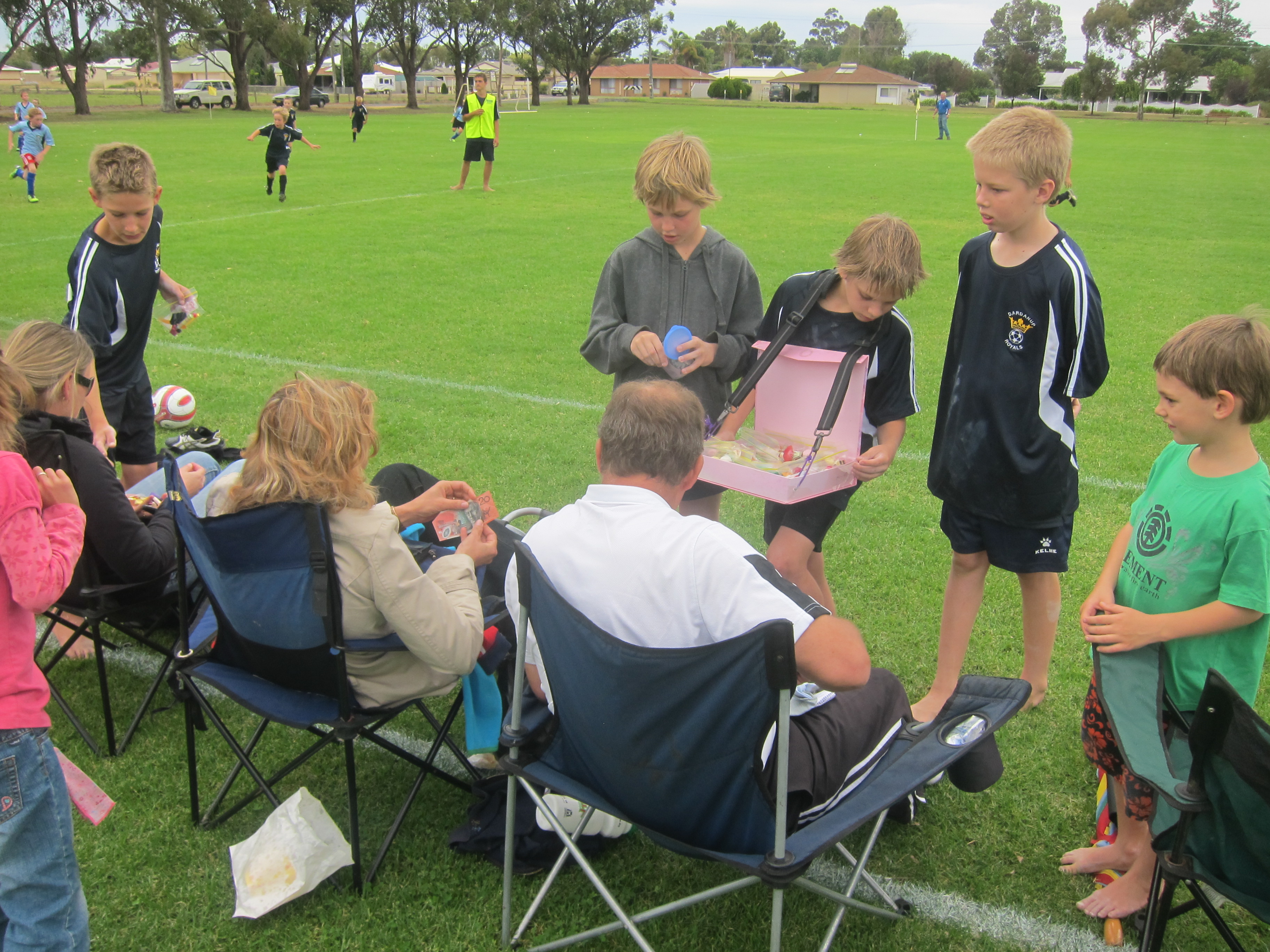
Chayse selling lolly bags to customers at the soccer grounds
Selling to customers.

Kids may not be motivated to do this at first, especially if they have been used to receiving a weekly allowance. The trick here is to make sure they have a big “Why!” They need to want something badly enough. This then becomes their goal and reason.

So let’s get back to Chayse’s enterprising story. Was he able to earn his pocket money through his lolly bag business?

He had his first opportunity to sell his lolly bags at his big brothers’ soccer games. During the game, the spectators, who were his potential customers, milled around on the sidelines.

So we primed him on what to say to customers. We also enlisted the help of his brothers, Amber and friends. It was all great fun and soon enough the customers came rolling in.

Now who could knock back buying lollies from a cute smiling four-year-old?

Business Ideas for Students Need Real Customers

His lolly bags sold like hot cakes for two dollars each. Chayse could not hold up the box because it was too heavy, so he managed the money jar whilst his helpers held the box.

He had to take his customers’ money and give change.

As word spread that there were lollies for sale, kids came racing in from all directions to buy Chayse’s product. The box became lighter and the money jar heavier, but despite the weight, he was not going to relinquish it.

Chayse looked after his helpers by giving them each a lolly bag. Hopefully they will be willing helpers the next time he sells something.

Chayse also paid back the money his Dad lent him as capital to buy the lollies and plastic bags from the supermarket.

Profit, Confidence and a Very Heavy Money Jar

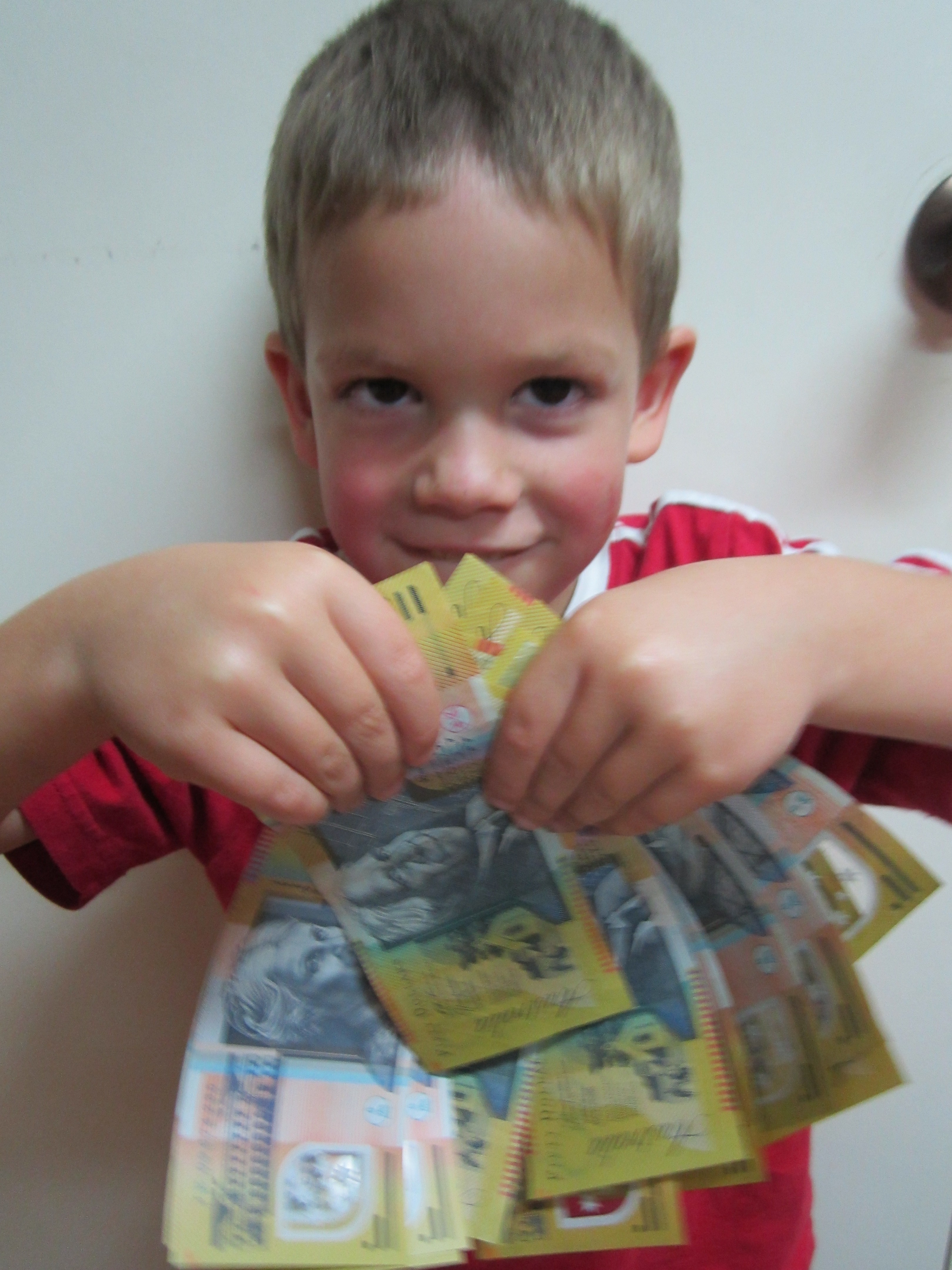
Chayse holding money earned from his lolly bag business
Chayse was delighted with his profit.

All up, he was delighted with his fifty dollars net profit. He is now well on his way to reaching his goal to buy toy Nerf Guns.

In fact, his business was so successful that Kit has recently decided to partner with him for his next endeavour. Under their mother’s guidance, they will research and decide on a charity that could benefit from some of their profits.

So, stay tuned for that one!

Chayse is one of those children earning pocket money through enterprise. It would have taken him five weeks, with a weekly allowance of $5 a week, to save the equivalent of what he profited at the soccer grounds during one soccer game.

That is why simple business ideas for students can be so powerful. They give children a real reason to be brave, talk to people, handle money, serve customers and learn that effort can create opportunity.

The Candy Man Business Series

This post is Part 3 of Chayse’s Candy Man journey. You can follow the full series here:

  • Part 1: The Candy Man Planning an Enterprise — Chayse plans his lolly bag business and receives $50 start-up capital.
  • Part 2: The Candy Man Entrepreneur — Chayse buys the lollies, prepares the bags and gets ready to sell.
  • Part 3: Chayse the Candy Man — Chayse sells his lolly bags at the soccer grounds and makes a profit.

Key Takeaway: Business Ideas for Students Can Start Small

Key takeaway: Business ideas for students do not need to be complicated. Chayse’s lolly bag business helped him learn about customers, selling, profit, confidence, helpers, start-up money and responsibility — all through one simple project at the soccer grounds.

In our next Enterprise For Kids blog, we’ll introduce you to a self-made millionaire who has some excellent tips for parents wanting to raise entrepreneurial kids. Don’t miss this article!

We would love to hear from you, so please leave a comment.

Young Entrepreneurs: Flynn’s Honey Turns to Gold

Flynn extracting honey for his kids business story

Young entrepreneurs often learn best through real projects, real products and real customers. Flynn’s honey business became one of those practical childhood ventures that taught far more than we expected.

This is Part 3 of Flynn’s honey business story, where the raw honey was poured, labelled, priced, sold and finally turned into real profit.

Young entrepreneurs learning through Flynn selling honey in his family business
Flynn’s honey business became a real lesson in enterprise.

Young Entrepreneurs: Flynn’s Honey Turns to Gold

This family enterprise story shares how Flynn turned 90kg of raw honey into his first small enterprise. From filling jars and creating labels to pricing, selling and solving problems, his honey business became a real-life lesson in initiative, confidence, money, marketing and responsibility.

For young entrepreneurs, these are the lessons that often matter most. They are not just reading about business or talking about ideas. They are doing the work, making decisions, dealing with problems and seeing what happens when an idea becomes real.

A Real Business Project for Young Entrepreneurs

Flynn’s honey enterprise became one of those practical childhood projects that taught far more than we expected. It gave him the chance to handle a real product, work with others, think about presentation, understand pricing, serve customers and solve problems along the way.

If you have been following the honey story, you will know this was not the beginning. Flynn’s honey venture started with Honey Pot of Gold, where he first shared his family business idea, and continued in Flynn’s Honey Investment Continued, where he harvested honey with his Grandad and made his first serious investment.

The Opportunity: 90kg of Raw Honey

When we last visited Flynn and his honey enterprise, he had just acquired 90kg of quality raw honey from his Grandad’s beehives in Geraldton. Flynn had also placed a bulk order for plastic honey pots.

He was now ready to fill them up and make his first sale.


Warming raw honey for Flynn’s young entrepreneurs business story
Warming the honey.

Honey pots ready to fill for Flynn’s honey business
Honey pots ready to fill.

Preparing the Honey for Pouring

His honey was held in buckets that weighed over 10kg. Getting the honey from the buckets into the 400g honey pots was not going to be easy.

Firstly, the honey was very thick, making it tedious to decant into the pots. Secondly, it required strength to hold the honey bucket while pouring.

Flynn called on his mates to help. He poured the buckets into a large pot and heated the honey to 50 degrees Celsius. This temperature was not high enough to destroy the enzymes that make raw honey so beneficial, but it was high enough to make the honey more fluid and easier to pour.


Flynn filling jars of honey for his young entrepreneurs business project
The production line.

Flynn and friends filling honey pots for a childhood business
Quick! Gimme another pot!

Setting Up the Production Line

The kitchen table was wiped down and set up for the honey pot production line. The team were excited about finally seeing the product in the pots. I helped pour, while Flynn and his gang filled and capped jars.

The jars were washed on the outside to ensure there was no stickiness, then labelled with Flynn’s “Howitt’s Honey” labels.

This was one of the first times Flynn could see how much work sits behind a product before it is ready for customers. It is one of the practical lessons young entrepreneurs only really understand when they have to prepare a product themselves.


Flynn’s honey business production line at the kitchen table
Mmmm… smells good!

Rinsing honey pots before labelling Flynn’s honey jars
Giving each pot a rinse in fresh water.

Packaging and Branding the Honey

Flynn’s product looked clean, pure and professional. He understood that to get a market edge and sell his honey for a premium, his first-class product needed to be well packaged and hygienic.

Flynn carefully drew up a poster pointing out the benefits of his product. This was attached to the boxes containing the honey pots.

He was not just selling honey; he was learning about presentation, trust, product quality and brand identity. These are powerful money lessons for kids, especially when they are connected to a real product and real customers.


Jars of honey prepared for Flynn’s childhood business
First batch stacked and ready to label.

Honey jars labelled and ready for sale in Flynn’s small business
The labels!

Selling the Honey: Young Entrepreneurs Learn by Doing

Flynn researched what honey was selling for in shops and online. He worked out what he could sell his honey for and still make a decent return. To provide an incentive to customers, he offered a special price if they bought more than one pot at a time.

Marketing his honey required little effort at first. Visitors to our home took an interest in his honey, and his honey began to sell.

He gained permission from his school principal and left a box in the staffroom. He organised with a teacher friend of ours from another school to place a box in their staffroom, and he approached the local general store, where he was allowed to sell his pots of honey for a small commission.

This is where kids business ideas become more than ideas. Flynn had to think about pricing, placement, presentation, customer trust and repeat sales.


Developing the Howitt’s Honey brand for Flynn’s small business
Developing the brand “Howitt’s Honey”.

A Real Business Problem for Young Entrepreneurs

His honey was selling well, and it was not long before he needed to restock all his boxes. As word got out about his product, people even began placing small orders by telephone.

Flynn’s “Howitt’s Honey” business went very well, except for one problem.

Raw honey has many benefits that you would be hard pressed to find with heavily processed honey. However, a downside with raw honey is that, over time, it can candy, or begin to solidify. This occurs especially when the room temperature drops, such as during winter.

Flynn’s honey that had been waiting to be sold began to candy in the honey pots. People do not generally want to buy honey that has hardened, which is why commercial honey producers often process honey using heat to reduce crystallisation.

Luckily, this problem only happened to the last remaining pots that had been waiting for sale. He brought these home, opened them up, scraped the honey into a pot and heated it back to 50 degrees Celsius. This liquefied the honey again, and he returned it to the pots. We bought those last pots for our family.

The lesson learned was that Flynn needed to sell his raw honey product before it showed signs of candying. He also needed to inform customers about what to do if their honey began to crystallise.

That is the sort of problem-solving young entrepreneurs remember, because the lesson comes from experience rather than a worksheet.

Profit, Pride and What Flynn Learned


Profits from Flynn’s honey enterprise and young entrepreneurs story
Profits from Flynn’s Honey Enterprise.

Flynn’s net profit from his honey enterprise was outstanding. He achieved the goal he set before he began, plus much more. He learned many lessons along the way and recognised that it was a lot of work, but satisfying work.

Flynn became an expert in his own honey business and gained enormous skills and understandings of how to run an enterprise.

This is one of the real family enterprise stories that helped shape how we think about raising entrepreneurial kids through everyday experience.

Flynn may now be ready to take his honey enterprise to another level. We hope to guide Flynn to move from being a small business owner to thinking more like an entrepreneur. How we do that will be shared in another Enterprise for Kids blog.

As a story about young entrepreneurs, Flynn’s honey enterprise shows how a simple family opportunity can become a real lesson in money, initiative, marketing and responsibility.

Flynn’s Honey Business Series

This article is Part 3 in Flynn’s honey business series, a family enterprise story about young entrepreneurs, family business ideas, money lessons for kids and learning by doing.

These posts show how children can learn by doing, rather than just being told about business, money and opportunity.

For Families Interested in Honey Enterprise

For those interested in having your own honey enterprise, or keeping a beehive for a regular supply of raw honey for family and friends, you could seek out an expert, such as Flynn or his Grandad, or do a course.

For readers interested in honey handling and food safety, the Australian Honey Bee Industry Council provides information about Australian honey and beekeeping.

Key Takeaway: Young Entrepreneurs Learn by Doing

Key takeaway: Young entrepreneurs do not need perfect conditions to begin. Flynn’s honey business started with a family opportunity, a quality product and the courage to take action. Through the process, he learned about pricing, branding, selling, customer trust, problem-solving and profit.

We would love to hear from you, so please leave a comment.
How to Avoid Distractions for Students: Kaitlin’s Enterprise Lesson

How to avoid distractions for students shown through Kaitlin balancing friends, camps and enterprise

How to avoid distractions for students is one of the biggest lessons that came out of Kaitlin’s portrait drawing enterprise.

Kaitlin had a strong creative idea, real customers and the talent to make it work. But like many students, she also had school, friends, sport, camps, work, family and plenty of other distractions pulling her focus away.

How to avoid distractions for students with Kaitlin revisiting her portrait drawing enterprise
Kait with that winning smile!

How to Avoid Distractions for Students: Kaitlin’s Enterprise Lesson

How to avoid distractions for students is the practical lesson behind this follow-up to Kaitlin’s portrait artist enterprise. Before we revisit her progress, it is worth looking at the idea of focusing on what you truly want to bring into reality.

At the time, we had been learning a lot about goals, values, mindset and the importance of making what you want a genuine priority. Whatever language people use — goals, vision, manifestation, values or focus — there is a practical lesson underneath it.

If something matters to you, it needs time, attention and action.

That sounds pretty easy, but I will be frank: it is easier said than done.

If you are anything like us, you will have very busy, complicated lives and are overrun with distractions. Work, family, social life, worries, school, sport, friends and commitments can all pull your focus away from what you say you want.

This is exactly what happened with Kaitlin’s portrait drawing enterprise.


Kaitlin procrastinating while learning how to avoid distractions for students
Kaitlin procrastinating!

Of course, not all distractions are bad. Some are part of life, family, travel, friendships and growing up. The problem is when those distractions quietly take over and push important goals further and further into the background.

For Kaitlin, learning how to avoid distractions for students was not about removing every fun or social activity. It was about recognising when her enterprise idea needed protected time, focus and follow-through.

How to Avoid Distractions for Students with a Real Goal

Kaitlin’s enterprise plan that she shared in her home video was a very good one, but it required time management, focus and diligence.

Once the article about her enterprise was posted on Enterprise for Kids, Kaitlin received two customers requesting her to do portrait drawings of their families.

Kaitlin was delighted that people had actually appreciated her talents and were willing to pay for her service. This was a real opportunity for Kaitlin to follow a passion of hers and she was motivated to get started.

Sliding into Action

Kaitlin sliding into action while learning how to avoid distractions for students
Kaitlin sliding into action.

She had bought half a dozen quality timber and glass frames from a garage sale, which would beautifully show the portraits if her customers wanted them framed.

She also had the $100 loan from me to buy the art materials required for her to run her enterprise.

So what has happened so far?

Distractions, distractions and more distractions!

Why Distractions Can Stop a Good Student Business Idea

Kaitlin, being a popular teenager, had many demands put upon her and she certainly didn’t have her focus set on attending to portrait drawings yet.

It had not become her highest value to develop an enterprise, despite the fact that she really did want to have her own enterprise doing something that she had passion for.

The list of distractions could almost fill a blog on their own!

Kaitlin at Bali Green SuperCamp while balancing distractions and enterprise goals
Kaitlin on the Bali Green SuperCamp.

Kaitlin had been on the Country Week camp, had sleepovers, caught up with friends, and was currently on the Bali Supercamp.

She had work commitments, babysitting, sporting commitments, school, boyfriends, homework, modelling classes and family commitments that had all stolen her focus away.

How to Avoid Distractions for Students with Big Goals

To do portrait drawings, Kaitlin needed a lot of concentration, patience and most importantly, a distraction-free amount of time where she could get her head around it.

Kaitlin understood that she needed to establish a time management plan where she could devote her focus to what she wanted to achieve.

Admittedly, Kaitlin didn’t need to complete the drawings straight away. She had a few months. But you could see how easily those few months could whittle away to nothing without a plan of attack, followed by action to bring that plan to fruition.

This is a useful lesson in how to avoid distractions for students. It is not enough to simply want something. Students need a simple structure that helps protect time and attention.

A few practical steps could include:

  • choosing one clear goal to focus on;
  • setting aside a specific time each week to work on it;
  • breaking the goal into smaller tasks;
  • creating a quiet, distraction-free space;
  • removing easy distractions during work time;
  • using short blocks of focused time rather than waiting for a perfect long stretch;
  • asking someone to help keep them accountable.

For families, how to avoid distractions for students becomes a practical conversation about priorities, routines and gentle accountability. The goal is not to remove every distraction, but to help children notice when distractions are stopping them from doing something they genuinely want to achieve.

ReachOut has some useful advice for parents helping teenagers manage distractions, including encouraging teens to work in short chunks of focused time and then take regular short breaks. You can read more here: How to help your teenager avoid distractions while studying.

How to Avoid Distractions for Students with a Simple Plan

That being said, we all must do the same with our dreams and desires in life.

Without making what we want a high value, writing down a plan, and then focusing our energy on it, those dreams are unlikely to come about very easily.

This is why children’s enterprise projects are so valuable. They teach more than business. They teach responsibility, time management, problem-solving and follow-through.

Kaitlin’s portrait drawing idea was still a good one. The challenge was not the idea. The challenge was protecting enough time and focus to bring the idea to life.

That is a powerful lesson for mindset, confidence and leadership.

What Kaitlin’s Distractions Teach Us

Kaitlin’s story reminds us that students can have talent, opportunity and encouragement, and still struggle to follow through if distractions take over.

For parents, the lesson is not to criticise the child for being distracted. The better lesson is to help them notice what is happening and gently guide them back to structure.

Questions like these can help:

  • What do you really want to achieve?
  • Why does it matter to you?
  • What is distracting you most?
  • When could you set aside time for this?
  • What is the next small step?
  • Who could help keep you on track?

This is how raising entrepreneurial kids can become part of everyday family life. It is not always about big wins. Sometimes it is about helping children learn what stops them from moving forward.

Key Takeaway: How to Avoid Distractions for Students

Key takeaway: Learning how to avoid distractions for students is an important part of helping children and teens follow through on their goals. Kaitlin had talent, customers and a strong enterprise idea, but she also needed time, focus and a plan to protect her attention.

We will keep you in the loop with Kaitlin in coming Enterprise for Kids blog articles.

For my next post or two, we will have a break from following our kids’ journeys and discuss understandings about developing a mindset for success. We’ll be looking at how we, and many other people, are conditioned to think in a certain way about money and how this conditioning may prevent us and our children from achieving success — and we are not just talking about the financial kind either.

Until then, we would love to hear from you, so please leave a comment.
Business Ideas for Teens: Jai’s App Developer Enterprise

Business ideas for teens shown through Jai planning his app developer enterprise

Business ideas for teens often grow from the things they are already interested in. For Jai, that interest was technology, gaming and the idea of designing, making and selling an app.

At 13 years old, Jai was full of energy for his new enterprise idea. But as he quickly discovered, turning a tech idea into a real business can come with plenty of roadblocks.

Business ideas for teens with Jai thinking through his app development enterprise
What will Jai’s next move be?

Business Ideas for Teens: Jai’s App Developer Enterprise

Jai was super motivated and was like a bull at a gate with his new enterprising idea, which was to design, make and sell an app.

For those of you who are not geeks and are unfamiliar with the terminology, an app basically means application software for a device such as an iPhone, iPad or computer.

Jai’s idea was exciting because it connected directly with something he already loved — technology and gaming. At 13 years old, he could see that apps were becoming a huge part of the world, and he wanted to learn how to create one himself.

Turning a Tech Interest into a Teen Business Idea

Jai bought an Apple App developer licence under his Mum’s name and downloaded all the software onto his school’s Apple computer. This was a computer he was able to loan on a permanent basis until he left school. Lucky boy!

He then poured through the various emails and instructions and did whatever was required to get himself underway.

This is one of the exciting things about business ideas for teens. As children get older, their ideas often become more complex. Instead of selling a simple product or offering a basic service, they may begin exploring technology, design, online tools, digital products and more advanced enterprise ideas.

Apple’s own Developer Program gives developers access to tools and resources for creating and distributing apps and games, so Jai was stepping into a very real-world learning space.

There Are Ups and Downs

Jai experiencing ups and downs while developing his app business idea
There are ups… and downs!

The process proved to be very challenging and it wasn’t long before Jai was faced with a huge roadblock.

He was stumped!

The information and requirements were very complicated and technical, and Jai really needed professional help to get him through it.

I could see his spirits dropping fast, so we sat down for a chat about roadblocks.

Business Ideas for Teens Need Roadblock Thinking

Jai learning about apps and games for his teen business idea
To know about apps, you have to play the games!!

When you are building up an enterprise idea, it is important not to get bogged down by all the “what ifs”. If we all did that, we wouldn’t get past first base.

Whatever enterprise you choose to do will have roadblocks, and you will need to troubleshoot a way to get around them.

Firstly, it is important to come up with an idea and build it up. Then the next step is to work out a general plan for developing the idea into an enterprise. This means identifying each of the development stages.

From there, you can think about the detail and consider the roadblocks for Stage One.

Jai’s Stage One App Developer Plan

So Jai and I considered his Stage One plan.

The plan was to become registered as an app developer, download the software, then become familiar with the software.

Jai’s roadblocks were:

  • the software was not loading correctly onto his computer;
  • the software was difficult to understand;
  • he didn’t know how to get started with using it.

So we planned a simple strategy to deal with these roadblocks.

We were going to be in Geraldton for a holiday in a few days. Jai’s strategy was to pay a visit to our successful app developer friend and ask him to help him get started.

Finding a Mentor

Jai climbing to new heights while learning from a mentor for his app idea
It’s exciting to climb to new heights…

That he did, and when I saw Jai next I could see the spring back in his step.

He now had new understanding and some direction. He had also opened a line of communication with an expert, who could possibly become a mentor down the track.

Having a mentor is one of the proven best ways to a successful business.

This is an important lesson for raising entrepreneurial kids. Children and teens do not need to know everything before they begin. But they do need to learn how to ask for help, find people who know more than they do, and keep going when the first roadblock appears.

When One Problem Creates Another Problem

What Jai learnt was that, for the software to work properly, he needed to download another program onto his Apple computer.

So when he arrived back to Burekup, he downloaded the program, which seemed to sort the software issues. It looked like he was now finally ready to get going with it all.

He headed off to school that Monday, only to arrive home later that day without his computer and looking very frustrated.

Apparently, when he went about his online school work, he found that all the school programs he used were no longer compatible with his computer.

He paid a visit to the school’s computer tech, who identified what had caused the problem: Jai downloading this new program!

He wasn’t very happy with Jai.

He said that the computer would need to be wiped clean and completely reconfigured, then reloaded with all the school’s programs again. To top it off, Jai was told that it might take a few days to get it sorted.

Not good news at all!

More roadblocks!

What Jai’s App Idea Teaches About Teen Enterprise

Jai’s app developer idea is a great example of how business ideas for teens can stretch them into real-world problem-solving.

He had to deal with:

  • technical language;
  • software requirements;
  • computer compatibility problems;
  • needing expert help;
  • frustration and disappointment;
  • the reality that a good idea is only the beginning.

That is the real value of these experiences. Teen enterprise is not just about the end product. It is about the thinking, troubleshooting, persistence and maturity that develop along the way.

Those are powerful mindset, confidence and leadership lessons.

Key Takeaway: Business Ideas for Teens Need Persistence

Key takeaway: Business ideas for teens can be more complex than simple childhood enterprises, but they also teach deeper lessons. Jai’s app developer journey shows that roadblocks, mentors, technical problems and persistence are all part of turning an idea into something real.

What will Jai do next with his enterprising idea? We will revisit his journey as an app developer in a later blog. It will make interesting reading with some hard lessons learnt!

Next up, we will touch base with Kaitlin and see how she is progressing with her enterprising idea.

We would love to hear from you, so please leave a comment.
Entrepreneurship Ideas for Students: The Candy Man Entrepreneur

Entrepreneurship ideas for students shown through Chayse bringing home lollies for his business

Entrepreneurship ideas for students can start with something as simple as a four-year-old, fifty dollars, a supermarket trip and a mountain of lollies.

This is Part 2 of Chayse’s Candy Man story. His business idea had been planned. Now it was time to buy the product, package it properly and get ready to sell.

Entrepreneurship ideas for students with Chayse taking fifty dollars to buy lollies
The Candy Man with his $50.
Chayse outside the supermarket buying lollies for his student business idea
…outside the supermarket!

Entrepreneurship Ideas for Students: The Candy Man Entrepreneur

Enterprise for children can be a lot of fun, especially if it involves a four-year-old and a mountain of lollies! After you read this blog, you’ll understand why Hansel and Gretel gave in to temptation to eat the witch’s candy house.

This post follows on from The Candy Man Planning an Enterprise, where Chayse first planned his lolly bag business and received $50 in start-up capital.

In this part of the journey, Chayse takes his plan to the supermarket and begins turning a simple idea into a real product.

From Planning to Action

Chayse and I headed off to the supermarket with his $50, just as he had planned.

We walked the candy aisle and Chayse picked out the lollies he thought would be the yummiest. He bought everything from snakes and milk bottles to musks, liquorice and lollipops.

Next he added 50 plastic sandwich bags and some packets of brightly coloured balloons to the shopping trolley. His whole investment of $50 was spent in no time.

The checkout lady asked him if it was his birthday. Chayse nodded.

Well, why complicate things when you are four?

Entrepreneurship Ideas for Students Need Real Products

Chayse setting up a lolly bag production line for his entrepreneurship idea
The production line!

Chayse’s brothers and sisters were at the car ready and waiting to escort him into the house and feast their eyes on all his lollies.

Chayse was really enjoying all the attention. He bossed his brothers and sisters around as they bugged him for a lolly and offered to carry his bags.

This is one of the reasons entrepreneurship ideas for students can be so powerful. A child suddenly has a real reason to make decisions, manage resources and take responsibility for something that belongs to them.

The Candy Man Production Line

Lollies being sorted into bags for Chayse's Candy Man business
Sorting the lollies into bags.

It was all hands on deck. Jaxon and Mitchy from next door came over to help out and a production line was organised around the kitchen table.

The lollies and balloons were placed into fifty piles and bagged up.

Chayse’s intention was to sell each bag for $2. So if all went to plan, he should make 100% on his investment.

That is not a bad return for a four-year-old Candy Man!

Learning About Price, Profit and Helpers

Chayse's production line team helping make lolly bags
The production line team!

Cathy and I helped him with a sturdy box to display his product. We attached a strap to the box to help him hold it up and then made up a sign.

Mitchy and Jackson ran off home and immediately returned with money to buy a bag each.

Chayse’s first customers!

98 candy bags to go!

Chayse’s brothers and sisters also wanted to buy a bag each with their pocket money. We had to put a halt to that as it was going to create troubles, especially as Chayse wanted to buy his own lollies too.

So the compromise was that they were able to polish off the leftover lollies. Of course, Chayse was in charge of sharing them out to his drooling family.

Entrepreneurship Ideas for Students Build Confidence

Chayse's first customer buying a lolly bag from his Candy Man business
Chayse’s first customer, Mitchy.

Chayse’s enterprise for children business was now all set to go. His next job was to market and sell his product.

Simple projects like this can become powerful kids business ideas, because children are not just pretending to run a business. They are learning about customers, product value, helpers, pricing, profit and confidence through real experience.

They are also learning the sort of practical money lessons for kids that are hard to teach from a worksheet.

Entrepreneur Cameron Herold makes a similar point in his TED talk, Let’s raise kids to be entrepreneurs. Children often learn entrepreneurial thinking best when they are encouraged to look for opportunities and create value.

The Candy Man Business Series

This post is Part 2 of Chayse’s Candy Man journey. You can follow the full series here:

Key Takeaway: Entrepreneurship Ideas for Students Can Start Small

Key takeaway: Entrepreneurship ideas for students do not need to be big, polished or complicated. Chayse’s Candy Man business started with $50, a trip to the supermarket and a family production line around the kitchen table.

Next up, we’ll tune in with Kit the Dog Whisperer and see whether his enterprising idea has evolved.

We would love to hear from you, so please leave a comment.
Flynn’s Honey Investment Continued……

Money lessons for kids shown through Flynn pouring honey for his business

Money lessons for kids become much more powerful when children experience them in real life. For Flynn, that meant negotiating with his Grandad, harvesting raw honey, making an investment and learning what it really takes to grow a small business.

This is Part 2 of Flynn’s honey business story, where his idea moved from plan to action — complete with bee suits, honey frames, sticky hands and a very serious investment for a twelve-year-old.

Money lessons for kids with Flynn and Grandad collecting honey frames for a business project
Flynn with Grandad collecting honey frames for his honey business.

Money Lessons for Kids: Flynn’s Honey Investment Continued

You may remember from a previous blog that Flynn’s Enterprise for Kids plan was to buy honey at wholesale and sell it at retail. All he needed was a good source of cheap, quality honey that he could buy in bulk.

If you missed the beginning of the story, you can read Part 1: Honey Pot of Gold, where Flynn first explained his honey business idea.

Finding a Product for Flynn’s Honey Business

Flynn’s Grandad has kept bees for over twenty years and had a number of hives which he regularly harvested honey from. The honey produced from his bees is very light in colour and tasty, as the bees forage over the Mid West fields of Paterson’s Curse and coastal gums.

Flynn knew that he had a good quality product.

His plan was to pay a visit and strike up a deal with his Grandad.

Flynn’s Grandad saw that Flynn had thought through his plan. He was more than willing to support Flynn with his new honey enterprise. Flynn negotiated a good price per kilogram, however, the deal included Flynn having to help his Grandad rob the honey from the hives.

You can listen to Flynn explaining the deal he made with his Grandad in his own words.

Money Lessons for Kids Through Real Work

Flynn putting on bee protective gear for money lessons for kids through real work
Flynn donning his gear.

Flynn was up for the challenge. He donned a pair of overalls, gloves, boots and bee veil. Then he and his Grandad disappeared for the morning, returning later in the day with a heavy load of honey supers in the back of the ute.

They were carted around to the rear of the house and quickly stacked in the garage. Already the local bees were honing in on the honey, hoping to pinch it for their own hives. The garage door was closed to keep the bees out.

This is where money lessons for kids become very real. Flynn was not just talking about business. He was helping collect the product, understanding the effort behind it and learning that profit starts long before anything is sold.

For families in Western Australia interested in bees and beekeeping, the Department of Primary Industries and Regional Development has useful information about beekeeping in Western Australia.

Extracting the Raw Honey

Flynn slotting honey combs into the extractor for his honey business
Flynn slotting the honey combs into the honey extractor.
Extracting honey from the honey combs for Flynn's honey business
Extracting the honey from the honey combs.

Grandad sliced the caps off the honey combs with a hot, special-purpose electric knife and Flynn slotted them into a honey extractor.

The extractor uses centrifugal force to extract the honey from the combs. It was Flynn’s job to spin the extractor, which proved to be a lot of fun. Although everything nearby became sticky with escaping honey, including Flynn!

Preparing the Honey for Sale

Checking the temperature of raw honey for Flynn's business project
Checking the temperature of the honey.
Raw honey prepared for Flynn's honey enterprise and money lessons for kids
Yummy raw honey — a great enterprise venture.

Flynn’s brother Jai, and a family friend Jack, stopped by to lend a hand. Many hands made light work and before long, after warming and sieving the honey, it was sealed into 10kg buckets.

Angry bees do not take too kindly to people robbing their hives. It was pretty amazing that Flynn managed to do all this work without getting stung. His Grandad and Dad were not so fortunate though!

A Big Investment and Money Lessons for Kids

Enterprising Flynn paid cash for 80kg of honey from his Grandad. He loaded it all up in our car to take it back to his home.

It was a large investment for a twelve-year-old and Flynn, knowing its value, took great care to ensure that the honey was well sealed and cushioned for the long trip home. He did not want it spilling, nor did he want any ants finding their way into his containers.

This was one of the most important money lessons for kids in the whole project. Flynn had to understand cost, risk, value and responsibility before he even made his first sale.

Flynn filling honey tubs with Grandad as part of money lessons for kids
Filling tubs with Grandad.

Flynn wanted to sell his honey at retail. He had done his research and found that honey generally sold in shops for around $12 or $13 a kilogram.

He had a unique product. It was tasty, raw and full of enzymes, which are generally destroyed during commercial pasteurisation processes.

Learning About Presentation and Retail Value

Flynn had also searched online for plastic honey pots. We discussed with him that people would pay a premium for his product if it looked professionally bottled and was not sold in recycled jam jars.

New plastic honey pots were not cheap. The larger the order, the better the price.

Flynn made his order over the phone and bought five hundred 500ml pots. These were delivered by mail within a few days, arriving in a massive cardboard box.

Flynn ordered honey jars and lids for his honey business
Flynn ordered honey jars and lids.
Honey jars ready to be filled for Flynn's honey enterprise
…ready to be filled.

So now he was all set to go with his Enterprise for Kids project. He had his honey and honey pots and had spent every cent that he had.

It was a huge investment and Flynn had no choice but to make it work. He had overcome fear and had taken a calculated risk with his business. All he had to do now was bottle, market and sell his honey.

And this will all be revealed in a later blog!

Flynn’s Honey Business Series

This article is Part 2 in Flynn’s honey business series, a family enterprise story about money lessons for kids, family business ideas, product value and learning by doing.

These posts show how family enterprise stories can teach children lessons that are hard to learn from theory alone.

Key Takeaway: Money Lessons for Kids Need Real Experience

Key takeaway: Money lessons for kids become much more meaningful when children handle real products, make real decisions and take real responsibility. Flynn’s honey investment gave him practical experience with cost, risk, quality, presentation and enterprise.

Where to Next?

If you enjoyed this part of Flynn’s honey business story, you may also like:

In our next Enterprise for Kids blog, we check back with Candy Man Chayse and see how his enterprise has been progressing.