Business Ideas for Students: Chayse the Candy Man

Business ideas for students shown through Chayse selling lolly bags with Kit and Amber

Business ideas for students do not have to be complicated. Sometimes they begin with a four-year-old, a box full of lolly bags, a soccer ground full of hungry kids and a very determined little Candy Man.

This is Part 3 of Chayse’s Candy Man story, where his lolly bag idea moved from planning and preparation into real selling, real customers and real profit.
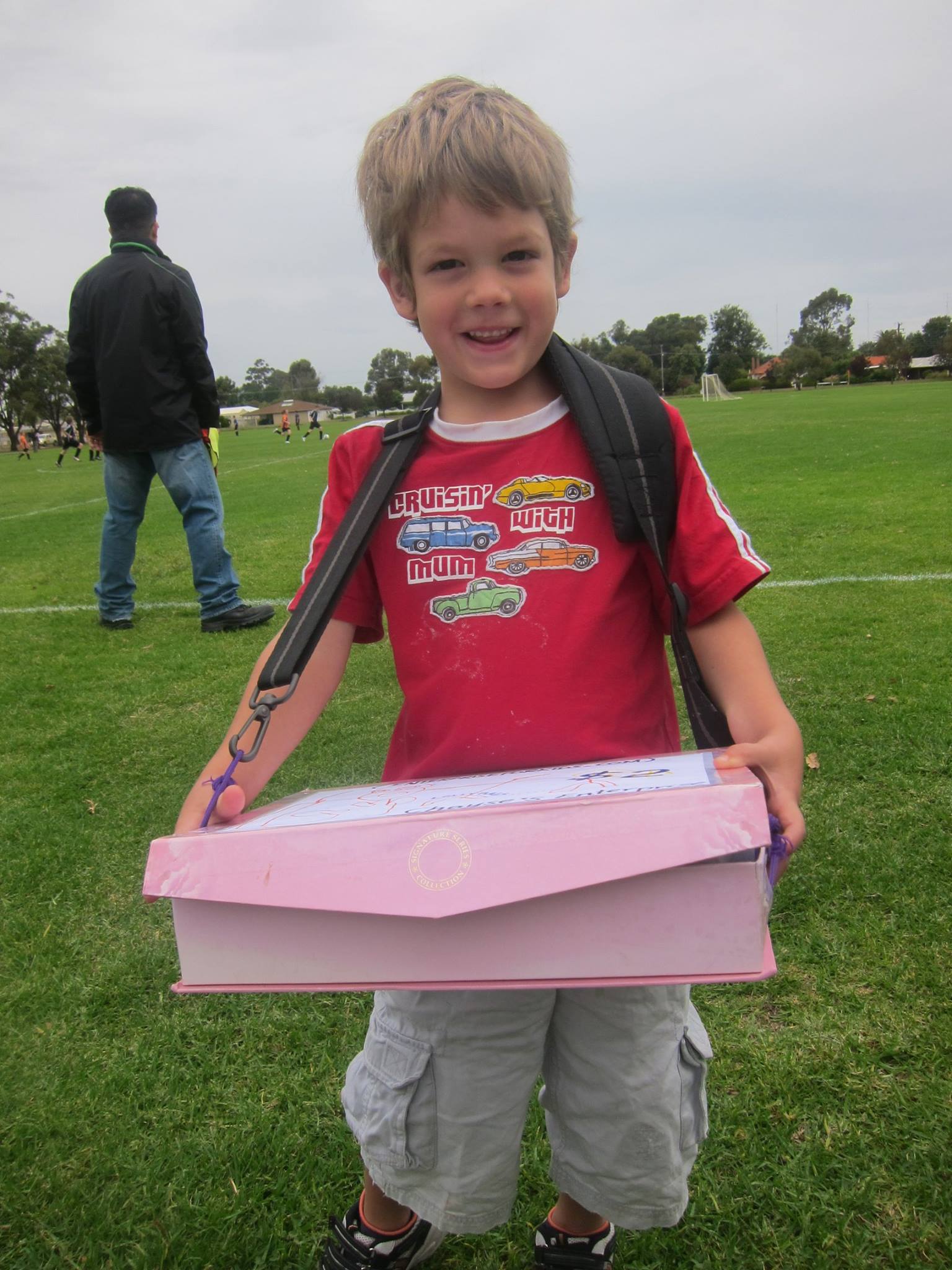
Business ideas for students shown through Chayse selling lolly bags at the soccer grounds
Chayse selling lolly bags at the soccer grounds as part of his Candy Man enterprise.

Business Ideas for Students: Chayse the Candy Man

We thought it was time that we revisited our little Candy Man Chayse. When we last followed his enterprising adventure, he had bought his lollies and bagged them up ready to sell.

If you missed the earlier parts of Chayse’s journey, you can follow the story from the beginning:

Now he has to find a market for his product and learn to be a salesman. Before we share Chayse’s exciting adventure, we thought it would be interesting to consider the benefits of children earning pocket money through enterprise, as opposed to children receiving a weekly allowance.

Why Business Ideas for Students Build a Different Mindset

Robert Kiyosaki quote about wealth and entrepreneurial thinking for children

Children earning pocket money through enterprise will develop the mindset and skills of an entrepreneur. Giving children a weekly allowance can condition them to think like “workers”.

Robert Kiyosaki describes a worker as someone prepared to give their time for money, whilst an entrepreneur builds systems and businesses that produce cash flow. Workers are more often than not time poor and cash poor, whilst entrepreneurs are generally time rich and cash rich.

Why is it then that the vast majority of us leave school and become workers?

A child receiving a weekly pocket money allowance is equivalent to a worker receiving a weekly salary. Relying upon a weekly allowance will not necessarily encourage children to look for opportunities for enterprise.

Their pocket money may or may not be aligned with doing household chores, just as a worker receives payment for doing work. Many kids leave school and slot into jobs for the rest of their lives because they have not been able to explore the entrepreneur within themselves.

Children Earning Pocket Money Through Enterprise

Children earning pocket money through enterprise develop a whole different mindset. Parents of these children will encourage their children to look around to find opportunities.

These kids learn to identify problems that they can solve and they learn the art of negotiation. Enterprising children understand assets, liabilities, cash flow and profit. They will understand markets and customer service and they will develop the confidence to promote themselves.

Business ideas for students can also help children value their profits and spend their money wisely. Weekly allowances are easily received and easily spent, especially when children know that more money will follow. This can condition kids to be reliant on a salary.

Enterprising children become self-motivated to make money, and as they celebrate their successes, they quickly come to understand that they can in fact make a lot more money than their friends receiving weekly allowances.

Entrepreneur Cameron Herold makes a similar point in his TED talk, Let’s raise kids to be entrepreneurs. He encourages parents to help children look for opportunities, negotiate and learn how to create value rather than simply expect a regular allowance.

A Real Student Business Idea at the Soccer Grounds
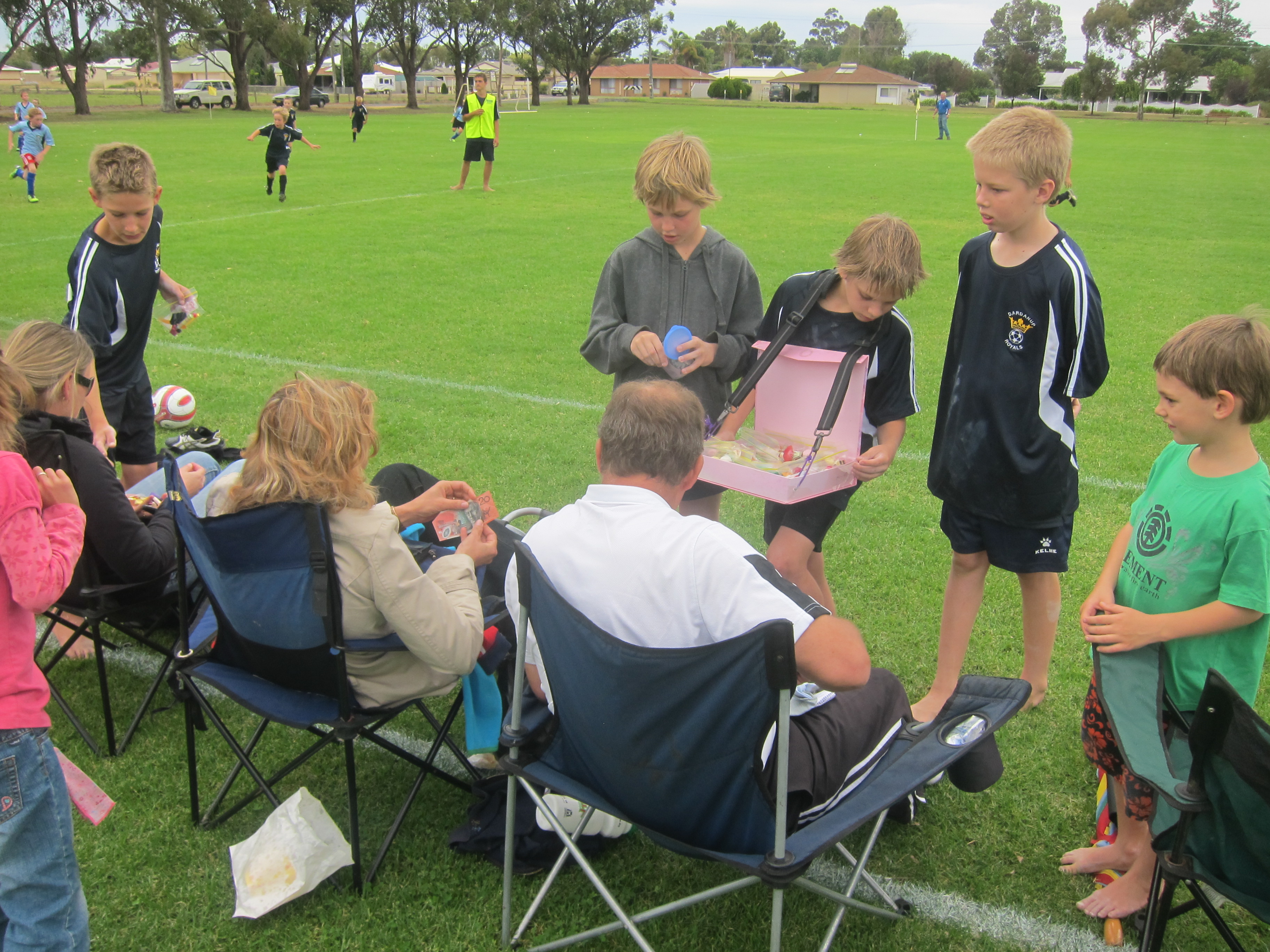
Chayse selling lolly bags to customers at the soccer grounds
Selling to customers.

Kids may not be motivated to do this at first, especially if they have been used to receiving a weekly allowance. The trick here is to make sure they have a big “Why!” They need to want something badly enough. This then becomes their goal and reason.

So let’s get back to Chayse’s enterprising story. Was he able to earn his pocket money through his lolly bag business?

He had his first opportunity to sell his lolly bags at his big brothers’ soccer games. During the game, the spectators, who were his potential customers, milled around on the sidelines.

So we primed him on what to say to customers. We also enlisted the help of his brothers, Amber and friends. It was all great fun and soon enough the customers came rolling in.

Now who could knock back buying lollies from a cute smiling four-year-old?

Business Ideas for Students Need Real Customers

His lolly bags sold like hot cakes for two dollars each. Chayse could not hold up the box because it was too heavy, so he managed the money jar whilst his helpers held the box.

He had to take his customers’ money and give change.

As word spread that there were lollies for sale, kids came racing in from all directions to buy Chayse’s product. The box became lighter and the money jar heavier, but despite the weight, he was not going to relinquish it.

Chayse looked after his helpers by giving them each a lolly bag. Hopefully they will be willing helpers the next time he sells something.

Chayse also paid back the money his Dad lent him as capital to buy the lollies and plastic bags from the supermarket.

Profit, Confidence and a Very Heavy Money Jar
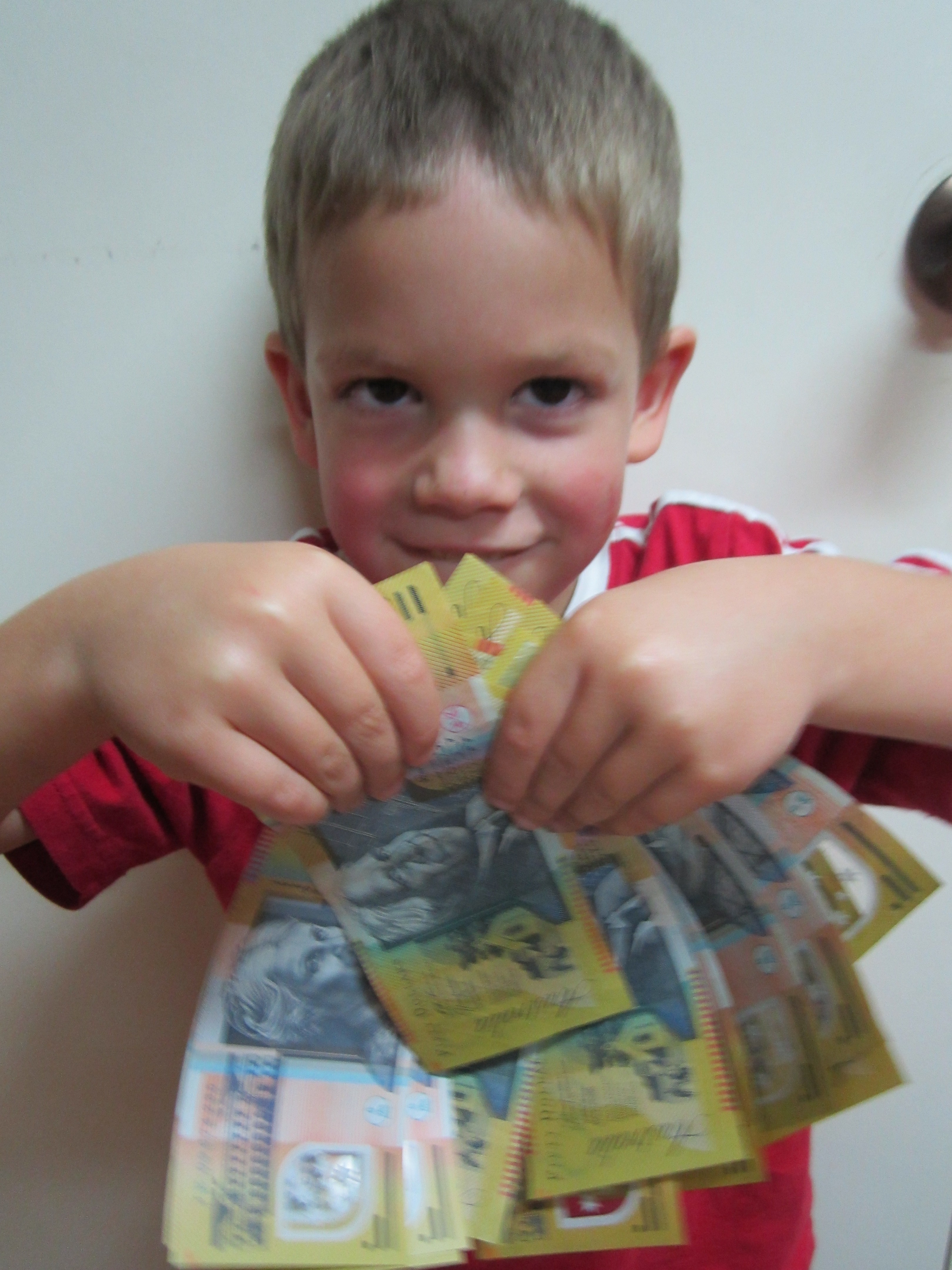
Chayse holding money earned from his lolly bag business
Chayse was delighted with his profit.

All up, he was delighted with his fifty dollars net profit. He is now well on his way to reaching his goal to buy toy Nerf Guns.

In fact, his business was so successful that Kit has recently decided to partner with him for his next endeavour. Under their mother’s guidance, they will research and decide on a charity that could benefit from some of their profits.

So, stay tuned for that one!

Chayse is one of those children earning pocket money through enterprise. It would have taken him five weeks, with a weekly allowance of $5 a week, to save the equivalent of what he profited at the soccer grounds during one soccer game.

That is why simple business ideas for students can be so powerful. They give children a real reason to be brave, talk to people, handle money, serve customers and learn that effort can create opportunity.

The Candy Man Business Series

This post is Part 3 of Chayse’s Candy Man journey. You can follow the full series here:

  • Part 1: The Candy Man Planning an Enterprise — Chayse plans his lolly bag business and receives $50 start-up capital.
  • Part 2: The Candy Man Entrepreneur — Chayse buys the lollies, prepares the bags and gets ready to sell.
  • Part 3: Chayse the Candy Man — Chayse sells his lolly bags at the soccer grounds and makes a profit.

Key Takeaway: Business Ideas for Students Can Start Small

Key takeaway: Business ideas for students do not need to be complicated. Chayse’s lolly bag business helped him learn about customers, selling, profit, confidence, helpers, start-up money and responsibility — all through one simple project at the soccer grounds.

In our next Enterprise For Kids blog, we’ll introduce you to a self-made millionaire who has some excellent tips for parents wanting to raise entrepreneurial kids. Don’t miss this article!

We would love to hear from you, so please leave a comment.

Upcycling Business Ideas: Amber’s New From Old Project 2

Amber Howitt learning upcycling business ideas through her New From Old enterprise

Upcycling business ideas can start very small. Sometimes all a child needs is a second-hand item, a little imagination, a few practical skills and the confidence to have a go.

“`

After Amber’s first New From Old project was successful, she was ready to keep her enterprise momentum moving. This time, her opportunity came from a visit to the Geraldton Recycling Centre with her Gran.

“`

Amber finding an item at the recycling centre for an upcycling business idea
Amber learnt that enterprise opportunities can sometimes be found in unexpected places.

Upcycling Business Ideas: Amber’s New From Old Project 2

Amber’s rabbit hutch project was hugely successful. She made an easy sale with excellent profit, and it gave her the confidence to look for another enterprise opportunity.

This post is part of Amber’s New From Old resale enterprise series, where she learnt how to find second-hand items, improve them and sell them for profit.

After the success of the rabbit hutch, Amber was looking for a new Enterprise for Kids project to keep her momentum moving forward.

So she planned a visit to the Geraldton Recycling Centre with her Gran to see if she could find another opportunity.

Finding Upcycling Business Ideas at the Recycling Centre

Amber was under instructions to only bring home something small, as we were returning to Burekup and already had a lot to fit into the car.

That is often a useful boundary for kids. It helps them look carefully, think practically and choose something they can actually manage.

For families in the Geraldton area today, the City of Greater Geraldton’s Resource Recovery Station is a useful reminder that recycling and reuse can create real-world learning opportunities for children.

Amber negotiating at the recycling centre as part of an upcycling business idea
Amber negotiates with the recycling centre man.
Pine timber display shelves Amber found for her upcycling business idea
Amber’s pine timber display shelves before the makeover.

What Amber found was a small pine display cupboard.

She thought it could make a good doll house. As an alternative, she could simply tidy it up and resell it.

That was smart thinking. She was not locked into only one idea. She could see more than one possible use for the item, which gave her flexibility.

Negotiating, Improving and Selling for Profit

Amber negotiated with the recycling centre man, batted her big blue eyes, and bought the shelves for a couple of dollars.

This was a simple but valuable enterprise lesson.

She was learning how to:

  • spot an opportunity,
  • look for resale potential,
  • negotiate a price,
  • improve an item,
  • advertise it,
  • and sell it for profit.

These are the kinds of practical skills that children can learn through real-world enterprise projects.

Amber sanded the cupboard back, gave it a coat of varnish and advertised it for sale.

Amber's upcycled display shelves after varnish ready to sell for profit
After a lick of varnish, the shelves were ready to sell.

Sold for $15!

Once again, Amber was happy with her profit. She added the cash to her money jar in readiness for her next Enterprise for Kids opportunity.

What Amber Learnt from Her Upcycling Business Idea

We watched Amber’s confidence skyrocket from running her little business projects.

This is one of the things we love about small enterprise experiences for children. The money matters, but the learning is even bigger.

Through this project, Amber was developing skills in:

  • opportunity spotting,
  • creative thinking,
  • negotiation,
  • marketing,
  • basic pricing,
  • follow-through,
  • and confidence.

She was also learning that value can be created.

The pine shelves were not worth much sitting at the recycling centre. But with a little care, sanding, varnish and marketing, they became something someone else was willing to buy.

That is a powerful lesson for children.

Upcycling Business Ideas Teach Kids to Spot Opportunity

Upcycling business ideas are wonderful for kids because they do not need to start with a lot of money.

Children can begin by looking for small, manageable items that can be cleaned, repaired, painted, polished, repurposed or presented better.

They can learn to ask:

  • Could this be useful to someone?
  • Could this be cleaned up?
  • Could this be turned into something else?
  • Could this be advertised better?
  • Could I buy this cheaply enough to make a profit?
  • Who might want this once it is improved?

These questions help children think like entrepreneurs.

They begin to see that opportunity is not always obvious. Sometimes it is hidden under dust, scratches, old paint or someone else’s discarded item.

Amber’s New From Old Series

This project was another step in Amber’s New From Old journey.

Her first project showed her that she could buy and sell for profit. This second project showed her that she could take something simple, improve it and make another successful sale.

Each small project helped her build belief in herself.

We do hold the crystal ball, and we know what Amber gets up to next. You will be amazed by the opportunities she finds.

Stay tuned for more in Amber’s enterprise journey.

Key Takeaway: Upcycling Business Ideas Can Start Small

Key takeaway: upcycling business ideas can teach children how to spot opportunity, negotiate, improve an item, advertise and sell for profit. Amber’s New From Old project showed that a small recycling centre find can become a valuable real-world money lesson.

Where to Next?

What second-hand item could your child clean up, improve or resell as a small enterprise project?

Pet Business Ideas for Kids: Fish, Plants and Small Enterprise

Colourful aquarium fish representing pet business ideas for kids

Pet business ideas for kids can begin with something as simple as a hobby. For children who love animals, fish, poultry or small pets, a pet-related enterprise can teach responsibility, research, care, pricing and customer relationships.

“`

But any pet business idea must begin with animal welfare. Pets are living creatures, not products. The best lessons come when children learn to care properly, research carefully and put the wellbeing of animals first.

“`

Chayse Howitt feeding poultry as part of pet business ideas for kids
Pet hobbies can teach children care, responsibility and enterprise skills.

Pet Business Ideas for Kids: Fish, Plants and Small Enterprise

As a kid, I loved keeping pets. In fact, many people referred to our suburban home as being the local zoo. Kids from all over the neighbourhood would come by to see the goings-on in our backyard.

I had a huge fish pond which, during the summer, would be teeming with little colourful fish. The fish first started out in my aquarium and, as they multiplied, they ended up in the pond.

By the end of the summer there would be so many fish that, if I did not find homes for them, they would overpopulate the pond and create problems.

So I would catch them by the hundred, put them into big buckets and take them off to the local aquarium shops. The shop owners were happy to get my fish and paid me 50 cents each.

Thirty-five years ago, this amounted to a lot of money.

How a Fish Hobby Became a Small Enterprise

Swordtail fish as an example of pet business ideas for kids interested in aquarium fish
Swordtails are colourful aquarium fish, but any breeding project needs research and responsible care.
Trevor Howitt's aquarium showing how fish keeping can lead to pet business ideas for kids
Trevor’s aquarium hobby became one of his earliest enterprise lessons.

One time, I remember delivering a bucket full of swordtails, which are renowned for jumping.

The aquarium shop owner left the bucket on the ground without a lid while he went about his shop business. He returned later in the day to find nearly all the fish on the ground!

I also divided up the water lilies and pulled out huge amounts of water plants that were thriving in the summer heat in the pond. These were also sold to the aquarium shops.

All up, my pet hobby well and truly paid for itself.

It also taught me some early business lessons:

  • look after your stock well,
  • understand what buyers want,
  • build relationships with local shops,
  • keep quality high,
  • and turn a hobby into something useful.

Pet Business Ideas for Kids Can Start With a Hobby

Today I still keep aquarium fish and breed them in ponds during the summer. Some of my children have taken an interest in them and keep fish as well.

A close friend of the family, Brayden, stopped by our place and showed an interest in my fish. I told him what I was doing and shared the story of how I used to sell fish to aquarium shops.

Guppies as an example of aquarium fish linked to pet business ideas for kids
Guppies helped Brayden see how a pet hobby could become a small enterprise idea.
Brayden exploring a fish enterprise as part of pet business ideas for kids
Brayden’s interest in aquarium fish led him to explore a small fish enterprise.

Fifteen-year-old Brayden also kept fish. He had an aquarium full of guppies.

As a result of our conversation, he took his guppies down to the local pet shop and sold them for $2.50 each.

He was so pleased with his fish sale that he began playing with figures to see whether it would be worth trying to farm aquarium fish as an enterprise.

His figures stacked up.

He told me that he had acquired several large fish tanks, had done his research and had worked out which fish were easy to breed and which were sought after by aquarium shops.

His aquaculture enterprise was just beginning and had the potential to do very well.

Responsible Pet Business Ideas for Kids

Pet business ideas for kids can be exciting, but they also need to be approached carefully.

Any child or teenager interested in a pet-related enterprise should have adult guidance and should understand that animals need consistent, humane and knowledgeable care.

Before breeding, selling or rehoming any animals, families should check:

  • local animal welfare laws and council requirements,
  • pet shop expectations,
  • species-specific care requirements,
  • housing, space, food and cleaning needs,
  • platform rules if advertising online,
  • and whether there is genuine demand before breeding more animals.

The RSPCA’s responsible pet ownership information is a helpful reminder that caring for animals is a long-term commitment.

A pet business should never be built around producing animals quickly without proper care, planning and responsibility.

Choosing the Right Pet Business Idea

Here are some helpful tips if you are considering pet business ideas for kids.

Start with research

Before buying or breeding anything, learn as much as possible about the animal or plant. Some animals can be difficult to keep and may require expensive equipment, specialist food, careful temperature control or veterinary support.

Choose quality and health first

If breeding is involved, start with healthy, well-cared-for animals from responsible sources. The aim should be strong, healthy animals and a good reputation, not simply producing as many as possible.

Ask local shops what they need

Pet shops and aquarium shops may have specific species, colours, sizes or plants they are regularly looking for. This can help a young person understand demand before investing time or money.

Keep excellent care standards

Good food, clean water, suitable housing, safe temperatures and low-stress handling all matter. Animal welfare should always come before profit.

Build a good reputation

If a child sells to a shop or local customer, quality and honesty matter. A good reputation is built by being reliable, knowledgeable and responsible.

Consider pet-related services too

Not every pet business idea needs to involve breeding or selling animals. Some children may be better suited to pet sitting, dog walking with adult supervision, making pet accessories, growing aquarium plants or helping neighbours with safe animal care tasks.

Animal Enterprise Ideas Need Specialist Knowledge

Baby rats showing why small animal pet business ideas for kids require careful welfare and research
Small animal projects require careful research, humane care and family supervision.
White peacock showing that some pet business ideas for kids need specialist knowledge and care
Some animal enterprise ideas need specialist knowledge, space, experience and proper care.

Some animal-based ideas sound simple at first, but they can become complex very quickly.

Small animals, poultry, fish, birds and specialist breeds all have different needs. Some require licences, space, careful housing, disease prevention, temperature control or experienced handling.

That is why a family should always do the research first.

For children, the best enterprise lessons usually come from small, manageable projects where they can learn responsibility without becoming overwhelmed.

What Pet Business Ideas Teach Kids

Pet business ideas for kids can teach much more than how to make money.

They can help children learn:

  • responsibility,
  • research skills,
  • daily care routines,
  • pricing and profit,
  • customer relationships,
  • record keeping,
  • patience,
  • and respect for living things.

These are valuable enterprise lessons.

A child who learns to care properly for animals, understand customer needs and manage a small project is developing skills that can transfer into many other areas of life.

Maybe Your Pet Hobby Can Pay for Itself

Maybe you too can develop a pet enterprise, or at least have your pets help pay for themselves.

But the starting point should always be care, not cash.

If a child already loves fish, poultry, small animals or pets, then a carefully guided enterprise project might help them learn business skills while deepening their responsibility.

If they do not enjoy the care side, then a pet business is probably not the right fit.

The best pet business ideas for kids are the ones where the child learns to respect animals, serve customers and grow slowly and responsibly.

Key Takeaway: Pet Business Ideas for Kids Must Put Care First

Key takeaway: pet business ideas for kids can teach responsibility, research, care, pricing and profit. Trevor’s childhood fish enterprise and Brayden’s guppy project show how a hobby can become a small business lesson, but animal welfare must always come first.

Where to Next?

What pet-related hobby could your child turn into a responsible enterprise lesson?

Business Ideas for Teens: Jai’s App Developer Enterprise

Business ideas for teens shown through Jai planning his app developer enterprise

Business ideas for teens often grow from the things they are already interested in. For Jai, that interest was technology, gaming and the idea of designing, making and selling an app.

At 13 years old, Jai was full of energy for his new enterprise idea. But as he quickly discovered, turning a tech idea into a real business can come with plenty of roadblocks.

Business ideas for teens with Jai thinking through his app development enterprise
What will Jai’s next move be?

Business Ideas for Teens: Jai’s App Developer Enterprise

Jai was super motivated and was like a bull at a gate with his new enterprising idea, which was to design, make and sell an app.

For those of you who are not geeks and are unfamiliar with the terminology, an app basically means application software for a device such as an iPhone, iPad or computer.

Jai’s idea was exciting because it connected directly with something he already loved — technology and gaming. At 13 years old, he could see that apps were becoming a huge part of the world, and he wanted to learn how to create one himself.

Turning a Tech Interest into a Teen Business Idea

Jai bought an Apple App developer licence under his Mum’s name and downloaded all the software onto his school’s Apple computer. This was a computer he was able to loan on a permanent basis until he left school. Lucky boy!

He then poured through the various emails and instructions and did whatever was required to get himself underway.

This is one of the exciting things about business ideas for teens. As children get older, their ideas often become more complex. Instead of selling a simple product or offering a basic service, they may begin exploring technology, design, online tools, digital products and more advanced enterprise ideas.

Apple’s own Developer Program gives developers access to tools and resources for creating and distributing apps and games, so Jai was stepping into a very real-world learning space.

There Are Ups and Downs

Jai experiencing ups and downs while developing his app business idea
There are ups… and downs!

The process proved to be very challenging and it wasn’t long before Jai was faced with a huge roadblock.

He was stumped!

The information and requirements were very complicated and technical, and Jai really needed professional help to get him through it.

I could see his spirits dropping fast, so we sat down for a chat about roadblocks.

Business Ideas for Teens Need Roadblock Thinking

Jai learning about apps and games for his teen business idea
To know about apps, you have to play the games!!

When you are building up an enterprise idea, it is important not to get bogged down by all the “what ifs”. If we all did that, we wouldn’t get past first base.

Whatever enterprise you choose to do will have roadblocks, and you will need to troubleshoot a way to get around them.

Firstly, it is important to come up with an idea and build it up. Then the next step is to work out a general plan for developing the idea into an enterprise. This means identifying each of the development stages.

From there, you can think about the detail and consider the roadblocks for Stage One.

Jai’s Stage One App Developer Plan

So Jai and I considered his Stage One plan.

The plan was to become registered as an app developer, download the software, then become familiar with the software.

Jai’s roadblocks were:

  • the software was not loading correctly onto his computer;
  • the software was difficult to understand;
  • he didn’t know how to get started with using it.

So we planned a simple strategy to deal with these roadblocks.

We were going to be in Geraldton for a holiday in a few days. Jai’s strategy was to pay a visit to our successful app developer friend and ask him to help him get started.

Finding a Mentor

Jai climbing to new heights while learning from a mentor for his app idea
It’s exciting to climb to new heights…

That he did, and when I saw Jai next I could see the spring back in his step.

He now had new understanding and some direction. He had also opened a line of communication with an expert, who could possibly become a mentor down the track.

Having a mentor is one of the proven best ways to a successful business.

This is an important lesson for raising entrepreneurial kids. Children and teens do not need to know everything before they begin. But they do need to learn how to ask for help, find people who know more than they do, and keep going when the first roadblock appears.

When One Problem Creates Another Problem

What Jai learnt was that, for the software to work properly, he needed to download another program onto his Apple computer.

So when he arrived back to Burekup, he downloaded the program, which seemed to sort the software issues. It looked like he was now finally ready to get going with it all.

He headed off to school that Monday, only to arrive home later that day without his computer and looking very frustrated.

Apparently, when he went about his online school work, he found that all the school programs he used were no longer compatible with his computer.

He paid a visit to the school’s computer tech, who identified what had caused the problem: Jai downloading this new program!

He wasn’t very happy with Jai.

He said that the computer would need to be wiped clean and completely reconfigured, then reloaded with all the school’s programs again. To top it off, Jai was told that it might take a few days to get it sorted.

Not good news at all!

More roadblocks!

What Jai’s App Idea Teaches About Teen Enterprise

Jai’s app developer idea is a great example of how business ideas for teens can stretch them into real-world problem-solving.

He had to deal with:

  • technical language;
  • software requirements;
  • computer compatibility problems;
  • needing expert help;
  • frustration and disappointment;
  • the reality that a good idea is only the beginning.

That is the real value of these experiences. Teen enterprise is not just about the end product. It is about the thinking, troubleshooting, persistence and maturity that develop along the way.

Those are powerful mindset, confidence and leadership lessons.

Key Takeaway: Business Ideas for Teens Need Persistence

Key takeaway: Business ideas for teens can be more complex than simple childhood enterprises, but they also teach deeper lessons. Jai’s app developer journey shows that roadblocks, mentors, technical problems and persistence are all part of turning an idea into something real.

What will Jai do next with his enterprising idea? We will revisit his journey as an app developer in a later blog. It will make interesting reading with some hard lessons learnt!

Next up, we will touch base with Kaitlin and see how she is progressing with her enterprising idea.

We would love to hear from you, so please leave a comment.

The Dog Whisperer!

Our kids are becoming Enterprising Children!

In this post we revisit Kit and his enterprising Dog Walking business. He was now ready implement his carefully thought out plan.

It was the school holidays and we were all staying with Kit’s Gran and Grandad in Geraldton.

His first client was a family friend, Pam, who owned a small scruffy dog called Elly. Pam had been prepped with a phone call that Kit would be arriving with his Grandad to ask if she would be interested in hiring his services. She was delighted to support Kit with his new enterprise and awaited their arrival.

Kit with Pam's dog, Elly.
Kit preparing for his walk with Elly.


Kit explained to Pam what his business entailed and the benefits that she and her dog would get if she hired his services. Pam agreed that his service looked to be very good and then she asked what his rate was. Kit said five dollars. Pam negotiated with him and they agreed on four dollars for the half hour walk.

A beautiful afternoon for a walk.
All dogs need a pit stop


Kit was pleased, but not sure how he was going to handle Pam’s little energetic dog. Grandad was an excellent coach and helped him with attaching the lead, offering the dog a treat and instructed on giving commands to the dog.

The walk went very well with no dramas and Kit arrived back at his Gran and Grandad’s house after returning Pam’s dog very keen to tell his family all about his business.

Ending the walk.
Kit being paid for a job well done.


Kit continued his dog walking enterprise for the next two days whilst we were on holidays in Geraldton. He managed to make twelve dollars! Kit is now on his way to attaining his goal.

We, as parents, felt that more important than attaining his goal was the fact that Kit got “started” on his idea. What holds many people back from achieving their dreams is the inability to actually start! And of course, there will always be a myriad of reasons why not to – the time isn’t right, there isn’t enough money, there isn’t enough time, my family won’t approve, not ALL conditions are right yet…..the list goes on. These are the BUTS that stop people attaining their goals all the time, so it was refreshing to see one so young as Kit just “do it!”

Our enterprising children are now all busy with their individual kid’s enterprises. It will be time to check in with Jai and see whether his enterprise plan eventuated.

Until then……….

Entrepreneurship Ideas for Students: The Candy Man Entrepreneur

Entrepreneurship ideas for students shown through Chayse bringing home lollies for his business

Entrepreneurship ideas for students can start with something as simple as a four-year-old, fifty dollars, a supermarket trip and a mountain of lollies.

This is Part 2 of Chayse’s Candy Man story. His business idea had been planned. Now it was time to buy the product, package it properly and get ready to sell.

Entrepreneurship ideas for students with Chayse taking fifty dollars to buy lollies
The Candy Man with his $50.
Chayse outside the supermarket buying lollies for his student business idea
…outside the supermarket!

Entrepreneurship Ideas for Students: The Candy Man Entrepreneur

Enterprise for children can be a lot of fun, especially if it involves a four-year-old and a mountain of lollies! After you read this blog, you’ll understand why Hansel and Gretel gave in to temptation to eat the witch’s candy house.

This post follows on from The Candy Man Planning an Enterprise, where Chayse first planned his lolly bag business and received $50 in start-up capital.

In this part of the journey, Chayse takes his plan to the supermarket and begins turning a simple idea into a real product.

From Planning to Action

Chayse and I headed off to the supermarket with his $50, just as he had planned.

We walked the candy aisle and Chayse picked out the lollies he thought would be the yummiest. He bought everything from snakes and milk bottles to musks, liquorice and lollipops.

Next he added 50 plastic sandwich bags and some packets of brightly coloured balloons to the shopping trolley. His whole investment of $50 was spent in no time.

The checkout lady asked him if it was his birthday. Chayse nodded.

Well, why complicate things when you are four?

Entrepreneurship Ideas for Students Need Real Products

Chayse setting up a lolly bag production line for his entrepreneurship idea
The production line!

Chayse’s brothers and sisters were at the car ready and waiting to escort him into the house and feast their eyes on all his lollies.

Chayse was really enjoying all the attention. He bossed his brothers and sisters around as they bugged him for a lolly and offered to carry his bags.

This is one of the reasons entrepreneurship ideas for students can be so powerful. A child suddenly has a real reason to make decisions, manage resources and take responsibility for something that belongs to them.

The Candy Man Production Line

Lollies being sorted into bags for Chayse's Candy Man business
Sorting the lollies into bags.

It was all hands on deck. Jaxon and Mitchy from next door came over to help out and a production line was organised around the kitchen table.

The lollies and balloons were placed into fifty piles and bagged up.

Chayse’s intention was to sell each bag for $2. So if all went to plan, he should make 100% on his investment.

That is not a bad return for a four-year-old Candy Man!

Learning About Price, Profit and Helpers

Chayse's production line team helping make lolly bags
The production line team!

Cathy and I helped him with a sturdy box to display his product. We attached a strap to the box to help him hold it up and then made up a sign.

Mitchy and Jackson ran off home and immediately returned with money to buy a bag each.

Chayse’s first customers!

98 candy bags to go!

Chayse’s brothers and sisters also wanted to buy a bag each with their pocket money. We had to put a halt to that as it was going to create troubles, especially as Chayse wanted to buy his own lollies too.

So the compromise was that they were able to polish off the leftover lollies. Of course, Chayse was in charge of sharing them out to his drooling family.

Entrepreneurship Ideas for Students Build Confidence

Chayse's first customer buying a lolly bag from his Candy Man business
Chayse’s first customer, Mitchy.

Chayse’s enterprise for children business was now all set to go. His next job was to market and sell his product.

Simple projects like this can become powerful kids business ideas, because children are not just pretending to run a business. They are learning about customers, product value, helpers, pricing, profit and confidence through real experience.

They are also learning the sort of practical money lessons for kids that are hard to teach from a worksheet.

Entrepreneur Cameron Herold makes a similar point in his TED talk, Let’s raise kids to be entrepreneurs. Children often learn entrepreneurial thinking best when they are encouraged to look for opportunities and create value.

The Candy Man Business Series

This post is Part 2 of Chayse’s Candy Man journey. You can follow the full series here:

Key Takeaway: Entrepreneurship Ideas for Students Can Start Small

Key takeaway: Entrepreneurship ideas for students do not need to be big, polished or complicated. Chayse’s Candy Man business started with $50, a trip to the supermarket and a family production line around the kitchen table.

Next up, we’ll tune in with Kit the Dog Whisperer and see whether his enterprising idea has evolved.

We would love to hear from you, so please leave a comment.