Dog Walking Business for Kids: Kit Plans His Enterprise

Dog Walking Business for Kids: Kit Plans His Enterprise

A dog walking business for kids might sound simple, but for Kit it became a real lesson in confidence, problem-solving, service and earning money through enterprise.

This is the story of Kit’s pocket money idea and how he planned to turn dog walking into his first little business.

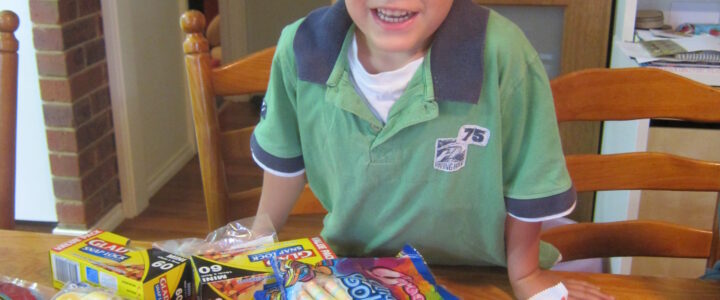
Dog walking business for kids with Kit planning his first enterprise idea
Welcoming Kit and his entrepreneurial idea.

Dog Walking Business for Kids: Kit Plans His Enterprise

Plenty of kids receive pocket money from their parents. The kids then either save it or spend it. When we used to give pocket money to our kids, they would spend it straight away. Usually, they spent their money on “junky” things that didn’t last long.

This was very frustrating as a parent, so we looked for ways to teach our children to use their money wisely and to build a money mastery mindset for them. From these early days, we came up with some fantastic ideas which we’ll share with you in later blogs.

This particular blog is about Kit’s pocket money idea and how he planned to run his enterprise.

Looking for a Need

Kit saw that there was a need in his neighbourhood for dog walkers. Whilst many people in our community walked their own dogs, there were also elderly or busy people who owned dogs and either didn’t have the energy or time to take their pet for a walk.

Kit figured that he could offer a service where he would take their pet for a walk on a lead.

At first, when he shared his idea, we thought he had gone bananas! Firstly, Kit had always been afraid of dogs and secondly, he was only six years old. Allowing a six-year-old to walk the streets with other people’s dogs was certainly not looking like a good idea.

However, one thing we have learnt is to never stifle a child’s enthusiasm and condition them to think their ideas are not good enough. So we decided to play along with his pocket money idea.

Why a Dog Walking Business for Kids Needed a Plan

A dog walking business for kids sounds easy on the surface, but when we talked it through with Kit, there were some very real roadblocks.

This is where the learning became valuable. Kit was not just coming up with a cute idea. He had to think about safety, customer trust, his own confidence, the dog’s needs, and whether the service would be worth paying for.

That is why small kids business ideas can be so useful. Children get to practise thinking through a real situation rather than just talking about business in theory.

Roadblocks and Solutions

We talked through a business plan with Kit and investigated the roadblocks that he might be faced with. Then we investigated the solutions.

The main issue was that he was too young to walk other people’s dogs by himself, so we discussed that he needed an older person to go along with him. This would also provide reassurance to the pet owners that their dog would be looked after. Luckily, his Grandad offered to help out. He reckons he needed the exercise anyway!

The other issue was that Kit wasn’t confident with dogs. So the plan was to carry a pocket of doggy treats to keep the dog happy and obedient. In addition, Kit would provide his own dog lead.

By offering doggy treats and a lead, Kit was “adding value” to his service.

We also talked about being safe and respectful around dogs. The RSPCA WA safety around dogs information is a useful reminder that children should be supervised around dogs and should understand how to behave calmly and safely around them.

Kit’s Dog Walking Enterprise Idea

Kit caring for a dog as part of his dog walking business for kids idea
Dog walking was Kit’s enterprise idea.

Kit’s idea was simple: offer to walk dogs for people who needed help.

That made it a service-based business. He did not need to buy stock like Chayse did with his lolly bags. Instead, Kit needed to offer his time, care and effort.

This gave us a great opportunity to talk about the difference between earning money from a product and earning money from a service. Both can be valuable money lessons for kids, but they teach slightly different things.

With Kit’s dog walking idea, the lesson was not just about money. It was about trust, responsibility and doing a job properly for someone else.

Could Kit Become the Next Dog Whisperer?

Kit with a dog while planning his dog walking enterprise idea
Could this be the next Dog Whisperer?

Kit decided that he would negotiate a walking fee of $5 for a half-hour walk. If he had one customer a day, then he could pocket $35 a week.

So it was on. Kit was now officially a professional dog walker!

And who knows… from these humble beginnings, he may even become the next famous Dog Whisperer!

What Kit Learned from Planning His Enterprise

Even before Kit walked his first dog, the planning process had already taught him a lot.

  • He noticed a need in the neighbourhood.
  • He thought of a service people might pay for.
  • He talked through the risks and roadblocks.
  • He found a way to make the idea safer by involving Grandad.
  • He added value with treats and a dog lead.
  • He thought about a simple fee for his service.

That is exactly the sort of thinking we want to encourage when we talk about raising entrepreneurial kids. It is not just about making money. It is about helping children notice opportunities, solve problems and back themselves enough to try.

Kit’s Dog Walking Business Series

This post is the planning stage of Kit’s dog walking idea. You can follow the next stage here:

  • Part 1: Kit Plans a Dog Walking Business — Kit notices a need, works through the roadblocks and plans his service.
  • Part 2: The Dog Whisperer! — Kit gets started, walks his first customer’s dog and earns money from his idea.

Key Takeaway: A Dog Walking Business for Kids Teaches More Than Money

Key takeaway: A dog walking business for kids can teach far more than earning pocket money. Kit’s idea helped him think about service, safety, value, responsibility, confidence and solving a real need in his community.

In our next Enterprise for Kids blog, we will introduce Kaitlin’s very creative enterprising idea and her well thought out business plan. Stay tuned for that one…

We would love to hear from you, so please leave a comment.

Ways to Earn Money for Students: Chayse Plans a Candy Business

Ways to Earn Money for Students: Chayse Plans a Candy Business

Ways to earn money for students can start with a very simple idea. For Chayse, that idea was lollies — or candy for our American readers — and a plan to turn fifty dollars into his very own Candy Man business.

This is Part 1 of Chayse’s Candy Man story. Before the selling, the soccer grounds and the very heavy money jar, there had to be a plan.

Ways to earn money for students shown through Chayse preparing lolly bags after planning his Candy Man business
After planning his Candy Man business, Chayse soon moved into action.

Ways to Earn Money for Students: Chayse Plans a Candy Business

All kids love lollies. Chayse too really loves lollies! So it came as no surprise to see Chayse planning an enterprise that revolved around lollies.

Now Chayse is only four years old, so he needed a little help formulating his plan. Initially, he liked the idea of buying a heap of lollies, but I think he was thinking that he was going to be the one eating them!

Eventually, after much explaining, it became clear to him that he would be selling them, not eating them himself. His brothers and sisters all thought his enterprise idea was pretty cool and I’m sure were thinking, “Why didn’t I think of that!”

A Simple Business Plan for a Four-Year-Old

We don’t have a video of Chayse explaining his business plan. In fact, there isn’t much to it, so I’ll just explain it for you here.

We lent Chayse $50 to run his business. He planned to buy large bags of lollies from the supermarket, bag them up into small mixed bags, then sell them for twice what he paid.

His market would be all the hungry kids who play and watch soccer games on Saturday mornings at the local soccer fields.

For a four-year-old, that was a pretty good business plan. Product, start-up capital, packaging, pricing, customers and a selling location. Not bad for a little Candy Man!

Why This Is One of the Simplest Ways to Earn Money for Students

When families think about kids business ideas, it is easy to overcomplicate things. But children often learn best when the idea is simple enough for them to understand and exciting enough for them to care about.

Chayse understood lollies. He understood that kids liked lollies. He understood that soccer grounds were full of kids. With a little help from us, he could begin to understand buying, selling, profit and customers.

That is why simple projects can become powerful money lessons for kids. Children do not just hear words like “profit” and “investment”; they get to experience what those words mean.

From Pocket Money to Enterprise

Many children earn or receive pocket money each week, and there is nothing wrong with that. But when children create a small enterprise, they begin to see money differently.

Instead of waiting for money to arrive, they start looking for opportunities. They begin asking questions like:

  • What could I sell?
  • Who would buy it?
  • How much will it cost me?
  • How much could I sell it for?
  • What will I do if it works?

These are the sorts of questions that help children develop confidence, initiative and responsibility.

Entrepreneur Cameron Herold makes a similar point in his TED talk, Let’s raise kids to be entrepreneurs. Children can learn entrepreneurial thinking when they are encouraged to look for opportunities and create value.

Chayse’s Goal: Double His Money

If Chayse’s enterprise went to plan, he would double his money or get a 100% return. That would put a smile on any young four-year-old’s face.

Of course, before he could make any money, he still had to buy the lollies, package them, carry them around and sell them to real customers. That is where the real learning would begin.

The image above actually shows the next stage of Chayse’s Candy Man journey, when his plan moved from an idea into action. First came the goal, the $50 start-up capital and the discussion about what he could sell. Then came the exciting part — buying the lollies, sorting them into bags and getting ready to find his first customers.

The Candy Man Business Series

This post is Part 1 of Chayse’s Candy Man journey. You can follow the full series here:

Key Takeaway: Ways to Earn Money for Students Can Start Small

Key takeaway: Ways to earn money for students do not need to be complicated. Chayse’s Candy Man idea started with something he loved, a clear market, a simple product and a small amount of start-up money.

We will keep you updated with how his money-making enterprise goes.

Next up is Kit planning an enterprise. Kit is so excited that he reminds me of our late over-zealous Jack Russell Terrier when she used to go out for a walk!

We would love to hear from you, so please leave a comment.

Honey Pot of Gold!

Honey Pot of Gold!

Family business ideas can start with something simple, practical and close to home. For Flynn, that opportunity came through raw honey, a family connection and a very enterprising plan that helped him learn real money lessons.

This is the beginning of Flynn’s honey business story — a family enterprise project where he learnt about opportunity, product value, buying wholesale, selling retail, confidence and taking action.

Flynn as a budding young entrepreneur with one of our family business ideas
Flynn — a budding young entrepreneur with a family business idea.

Family Business Ideas: Flynn’s Honey Enterprise Begins

Flynn is a natural budding young entrepreneur and he is never afraid to chase an opportunity. He often comes up with brilliant enterprising ideas, and the idea he planned to take on with Enterprise for Kids was a definite money spinner.

Before I tell you all about Flynn’s awesome enterprising idea, I want to introduce some food for thought.

Why Family Business Ideas Need a Different Money Mindset

Prior to us starting Enterprise for Kids, our children were following the same conditioning around money that we had: earn money, spend money, borrow money. Society encourages this greatly.

Whilst many people may not see anything wrong with this, many of us actually spend far more than we have coming in. The cycle never gets broken, and by the time we reach retirement age, we have very little to show for the many years of hard work we have put in.

That is why building an entrepreneurial mindset is so important. Breaking old conditioned habits is even more important. The younger you are, the less conditioning you have.

So while we want to develop in our children a great work ethos — working hard and with integrity — we also want to help them move beyond that. We want them to learn how to spot an opportunity, take action and then help others achieve success as well.

This system moves a person from being the worker, to seeing an enterprising opportunity, to switching on their entrepreneurial self, to finally becoming the expert in their field.

This is exactly why we care so much about raising entrepreneurial kids and helping them learn through real-life projects. Family business ideas give children a safe, practical way to begin that learning at home.

Entrepreneurial Thinking Behind Family Business Ideas

An entrepreneur’s focus is in the development of a great system and finding great people to run it. They use other people’s time and other people’s money to do the work for them.

Their systems can continue even after they pass from this world. A classic example is Thomas Edison’s formula for General Electric. He is no longer with us, but his empire continues.

That is one of the powerful lessons behind family business ideas. Children can begin to see that a business is not just a product. It is also a system, a process and a way of creating value for other people.

A Queen Bee Is Entrepreneurial

Akaisha dressed as an enterprising queen bee showing how systems support family business ideas
Enterprising Queen Bee.

A Queen Bee most definitely comes under the bracket of entrepreneur. She controls her entire empire from within her hive.

Thousands of honey bees — the workers — head out of her hive each morning collecting nectar, pollen and other resources for the hive, such as water. The worker bees will risk life and limb and literally work themselves to death. A worker bee only lives a few weeks.

The Queen Bee will have employees whose main job is to guard the hive from danger. Others clean the hive and many fan the hive to keep the temperature controlled. The queen will have workers who care for the nursery and for her own needs.

All she has to do is eat and lay eggs!

A beehive is a unique system consisting of many specialised individuals that each have a job to do. The system performs like it is one large living organism. If the Queen dies, then she will be replaced by another Queen Bee, the workers keep working and the hive goes on.

Not a lot different to General Electric, Apple or Ford Motor Company!

Flynn’s Honey Family Business Idea

Flynn negotiating a honey deal with his Grandad for a family business idea
Flynn negotiating a honey deal with his Grandad.

So what has Flynn’s idea got to do with a Queen Bee?

Flynn’s enterprising idea has everything to do with our Queen Bee and her empire.

In fact, his plan was to use her company’s product: honey.

Flynn intended to buy raw, unprocessed honey at wholesale in bulk and sell it in smaller jars at retail. He worked out his figures and could see excellent profit potential.

Once his business got underway, he could also see the potential for it to grow quite substantially.

I won’t tell you any more about his plans here, but if you missed the link above, you can listen to Flynn himself in this short video of Flynn explaining his awesome enterprise idea and business plan.

This is one of those kids business ideas that starts small, but teaches a lot: product value, buying wholesale, selling retail, confidence, negotiation and understanding profit.

Why Raw Honey Was a Clever Family Business Product

Seeing as we are on the topic of honey, I thought I would share a few facts about honey, and in particular raw, unprocessed honey.

Raw, unprocessed honey is pure, natural, unpasteurised and unadulterated. It is extracted from the beehive in its natural form and bottled. It is not filtered or heated.

Unlike many processed honeys, raw honey can retain more of its natural qualities from the hive, including pollen, propolis, minerals and flavour.

Mmmm… appears to be a fantastic product!

For Flynn, the clever part was not just that honey was useful and delicious. The clever part was that he could understand the product, buy it in bulk, bottle it in smaller jars and sell it in a way that made sense to customers.

That is why this became such a useful example of family business ideas in action. It was simple enough for a child to understand, but rich enough to teach real lessons about value, pricing, supply, confidence and profit.

Flynn’s Honey Business Series

This article is Part 1 in Flynn’s honey business series, a family enterprise story about family business ideas, product value, money lessons and learning by doing.

These family enterprise stories show how children can learn by doing, rather than just being told about business, money and opportunity.

Key Takeaway: Family Business Ideas Can Start Small

Key takeaway: Family business ideas do not need to be complicated. A simple product, a real opportunity and a child willing to take action can become a powerful lesson in entrepreneurship, confidence and money.

Where to Next?

If you enjoyed Flynn’s honey business story, you may also like:

So, what do you think? Is Flynn onto a real Enterprise for Kids success story? Follow along with the blog to see how he goes.

In our next blog, you’ll be inspired by another budding entrepreneur, four-year-old Chayse, as he showcases his business idea. It is as sweet as Flynn’s enterprising ideas!

New From Old!

My family immigrated here to Australia from Kenya back when I was just a kid in 1970. They came out with little qualifications, money or possessions and were supporting a young family. In order to make ends meet, my mother became very good at hunting down a bargain at a variety of places, including thrifty stores, lawn sales, second hand shops and markets. Years later she opened her own second hand goods shop and did exceptionally well out of it as a small business.

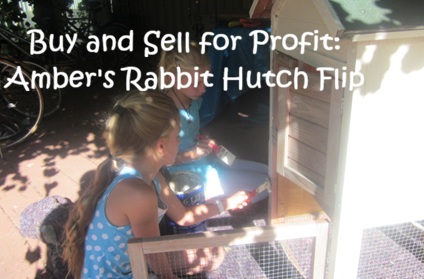
Amber was looking for an enterprise idea. She knew her Grandmother was an expert at finding bargains and then on-selling them for a profit. Her Gran suggested that Amber start her search at the local tip’s recycling centre, a place where thrown-away items are put aside, then sold to the public for next to nothing. Here was a wonderful opportunity to buy something, fix it up and resell it.

Gran is a great bargain hunter.
Fossicking for "treasure"


The old saying…“One man’s trash is another man’s treasure!” was to ring very true here.

So that is the basis of Amber’s new business.

To create something new from something old.

Her business plan is very sound and she’s definitely onto a winner! She is very proud of what she has come up with and shares it below in this short video. Just click the picture of Amber to view her new enterprise idea!

Amber


Next we will share Flynn’s business plan for his new enterprise. It is really a honey pot of gold!

Business Ideas for Kids: Finding Enterprise Ideas

Business Ideas for Kids: Finding Enterprise Ideas

Business ideas for kids often begin with everyday problems, useful skills and a little creative thinking.

Coming up with an enterprise idea that makes money, solves a real problem and keeps a child motivated is a tall order for an adult, let alone a kid.

Children do not need a perfect idea to get started. In fact, many of the best ideas come from noticing what people need, thinking creatively and using the skills children already have.

business ideas for kids through real family enterprise experiences
Looking for enterprise ideas as a family.

Business Ideas for Kids: Finding Enterprise Ideas

Business ideas for kids are often found by looking closely at everyday life. Coming up with an enterprise idea that makes money, solves a real problem and keeps a child motivated can be a tall order for an adult, let alone a kid.

The trick is to spend time brainstorming ideas together and helping children notice the small problems around them.

What I explained to my entrepreneurial kids was that they needed to think about the problems in our small community town, then look for possible solutions.

By solving people’s problems, children begin to create real opportunities for enterprise.

Business Ideas for Kids Start with Solving Problems

In the original video for this post, I gave the kids a simple example. Winter was drawing near and people were chopping wood ready to fuel their fires.

Problem: No one likes scrambling around outside on a cold and rainy day gathering kindling to get their fire started.

Solution: Collect bundles of gum tree sticks, tie them up and sell them to people who need kindling ready to go.

Step one was finding the problem. Step two was finding the solution. Putting the idea into action would be step three.

What a great and simple enterprise idea.

After hearing this example, the kids had no trouble finding enterprise ideas of their own.

Using Skills to Create Kids Entrepreneur Ideas

Our mentor, Paul Counsel, often shares a great educational basis behind what it means to be entrepreneurial.

He encourages us to consider how we are an asset to others. What skills and knowledge do we have that could be of service to others? What are we good at?

For example, Kaitlin and Amber are very good with toddlers and babies. Every day they were helping with their baby sister Akaisha. They fed her, changed her nappy, bathed her and took her for walks.

Both girls were very skilled and had a natural ease with babies. Knowing when Akaisha was tired and how to soothe her when she was upset became second nature. These abilities could easily lead to real enterprise opportunities.

Everyday skills can become enterprise ideas:

kids helping younger siblings read as part of business ideas for kids
Reading with siblings
kids caring for younger siblings and developing enterprise skills
Looking after Akaisha

Turning Everyday Skills into Enterprise Ideas

The obvious enterprise would be babysitting, but other ideas include:

  • Homework Support — busy parents may need someone to listen to younger children read, practise spelling words or help with writing.
  • Toddler Playmate — after school, some parents may appreciate an older child entertaining and playing with their toddler or baby.
  • Walking Younger Children Home from School — busy parents may appreciate a responsible older child helping with the school run.
  • Sports, Dance, Music or Art Coaching — Amber and Kaitlin could teach other kids how to throw, catch, draw, dance or play music.
child who enjoys helping younger kids as a business idea for kids
Kaitlin loves kids.

These are not complicated ideas, but they are valuable and practical. Children can easily miss this point. Often, they do not realise that skills they use every day may be helpful to someone else.

Finding Business Ideas for Kids Through Imagination

All it requires, when finding enterprise ideas for kids, is a little imagination.

Take the time to identify problems and look at what assets you have that could help people. Helping people is the key to enterprise.

Many ideas are not new. However, children often need guidance to look at their existing skills and realise how valuable they already are.

young musician developing skills that could become business ideas for kids
Budding young musician

A tip for everyone: you can increase your value by up-skilling and becoming an expert in an area.

As your skill increases, your value increases too. Over time, people are more likely to seek your help and pay for your time and knowledge.

How Kids Can Start a Business by Increasing Their Value

For example, being a whiz at sorting computer glitches would make you valuable to people who have computer problems. Being an expert pianist could create opportunities to teach others how to play piano.

Many of these ideas are simple. The real lesson is helping children notice what they are already good at, then think about how those skills could help others.

For older children who are ready to take an idea further, Business.gov.au has helpful information for young people starting a business.

Business Ideas for Kids Are Everywhere

Finding enterprise ideas can be fun, and it isn’t that hard if you do a little thinking and brainstorming first.

Amber will reveal her enterprise idea in the next blog as she begins her quest to reach her goals, so stay tuned.

Key takeaway: Business ideas for kids often begin with simple problem-solving. When children learn to notice problems, use their skills and think about how they can help others, they begin to see enterprise opportunities everywhere.

Where to Next?

If you enjoyed this post about finding business ideas for kids, you may also like:

We would love to hear from you, so please leave a comment.

Lining up for a Goal!

Visualing a goal, evoking the emotional response within and taking the necessary action (whether it be aquiring the knowledge and skills or doing something physical) are all of the necessary ingredients to achieve a particular goal.

In fact all leading sports men and women do this. I remember reading about one of Australia’s very best runners, Cathy Freeman, who won Gold in the 1994 Canadian Commonwealth Games in both the 200m and 400m races. Cathy began her preparation for the 200m race two years earlier.

Every day she trained and visualized the race in her mind. Her visualization included every detail of the race from what she was wearing, the lane she was in and how she would run the race from start to finish. She even pictured the time she would get and how much it was to beat the second place getter. She was so mentally prepared that she had no doubts at all that she had the gold in the bag.

Cathy Freeman winning the 200 Olympics
Cathy Freeman winning gold.


She had already won in her mind. As it turned out she ran the race perfectly with every detail of the race being as it was in her mind. She is a living legend!


Imagine if our kids were able to muster up that sort of determination and self belief! It would make anything possible for them. So our kids needed to see a real purpose in the kids enterprise project that they were embarking on. Without a real purpose that they could believe in, they would not have the steam to see it through.

Before we even considered kids enterprise ideas, I asked them to think of something that they would like to buy with the profits they were going to make from their enterprise businesses. It had to be something that they really wanted and something that they realistically believed they would be able to achieve.

Coming up with ways to spend the money was easy, even though at this stage they still had no idea what enterprise project they would be doing. But that didn’t matter. The Laws of the Universe would ensure that it all worked out. All they needed to do was establish a realistic goal that they could believe in with certainty. If the kids wanted their goal bad enough, and focused on what they needed to do to get that money, then the enterprise would be fruitful.

Once the kids had a visual on what they wanted, the next stage was to convert it into a dollar amount. I made a stipulation that their first enterprise idea may not completely reach the whole monetry target they had set for themselves, but it had to at least be able to pay my $100 back + $1. This we called ROI (or Return On Investment). Future enterprise ideas could contribute to the children realising the rest of their financial goal.

Finally, they needed to set an end date for the completion of their enterprise.

Amber's Vision Board. Click to view her explaining
Flynn's Vision Board. Click his photo to view him telling about his goals.
Chayse wants Nerf Guns! Click this photo to hear Chayse and Kit tell about their vision boards.


The kids jumped onto the computer to find images of the things they wanted to buy when they had made the money. These were printed and each of the kids constructed vision boards which I laminated (to make them special and long lasting). The vision boards are now stuck on their walls in their bedrooms where our little “enterprising team” can look, dream, think and evoke the visual pictures into their subconscious.

In the next blog we’ll take you through the process of how the kids came up with each of their “kids’ enterprise ideas.” See you then!