One of the interesting things about life lessons from parents is that you never really know which ones your children are going to remember.
As parents, we put plenty of thought into the things we deliberately try to teach our children — responsibility, kindness, confidence, money, work ethic and how to make good decisions.
Then, years later, they tell you about something you barely remember doing, and apparently it became a life lesson.
Our daughter Amber recently wrote a piece on her Substack, Dear Summer, called “5 Life Lessons From My Dad.” She originally wrote it for my birthday, and reading it was both funny and quite moving.
Some of what she remembered were values Cathy and I consciously tried to make part of our family life. Other things were simply what we did. Her reflections made me think about the life lessons from parents that children can carry with them long after they leave home.
Amber has grown into a wonderfully creative young woman. She writes poetry and songs, plays the ukulele and sings, knits her own jumpers, makes an excellent coffee and is currently writing a science-fiction novel. She has a strong interest in women’s health, loves sport and, with her boyfriend, has traveled around Australia in a four-wheel drive with a rooftop tent.

Her life has taken quite a few directions already, which makes something else she wrote about me rather fitting. Apparently, I taught her to believe in “having as many life pathways as you want, even if they’re windy.”
That sounds about right.
So, with Amber’s permission, I wanted to share five of the lessons that stayed with her — although in this case she was writing specifically about Dad.
Read Amber’s original “5 Life Lessons From My Dad” on Dear Summer.
1. Life Doesn’t End When You Have Kids
Amber starts her article with one of the more unusual chapters of our family life:
“My sister was born in one of the most remote corners of northern Australia in the middle of the night.”
At the time, Cathy and I were teaching in Kalumburu, a remote Aboriginal community in the north-eastern Kimberley of Western Australia.
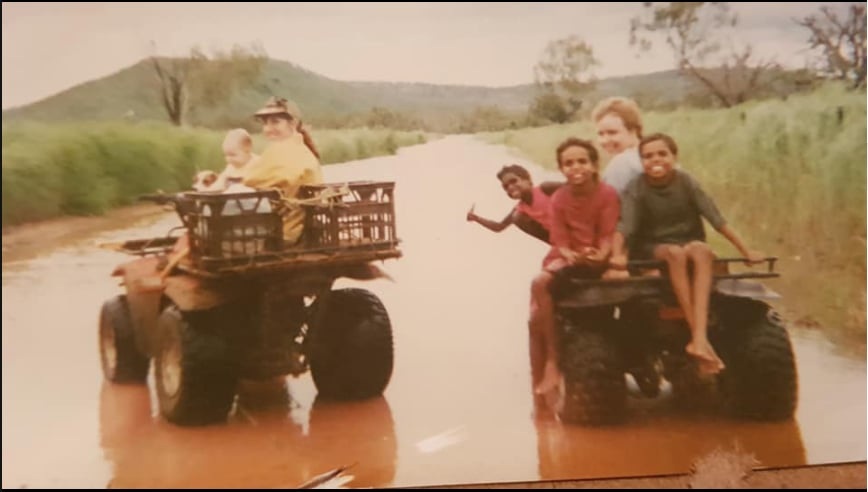
Remote really did mean remote. Reaching the nearest town involved around two days of driving on dirt roads. Life there included quad bikes, tropical weather, rough roads and crocodile-inhabited waterways. It certainly wasn’t suburban teaching.
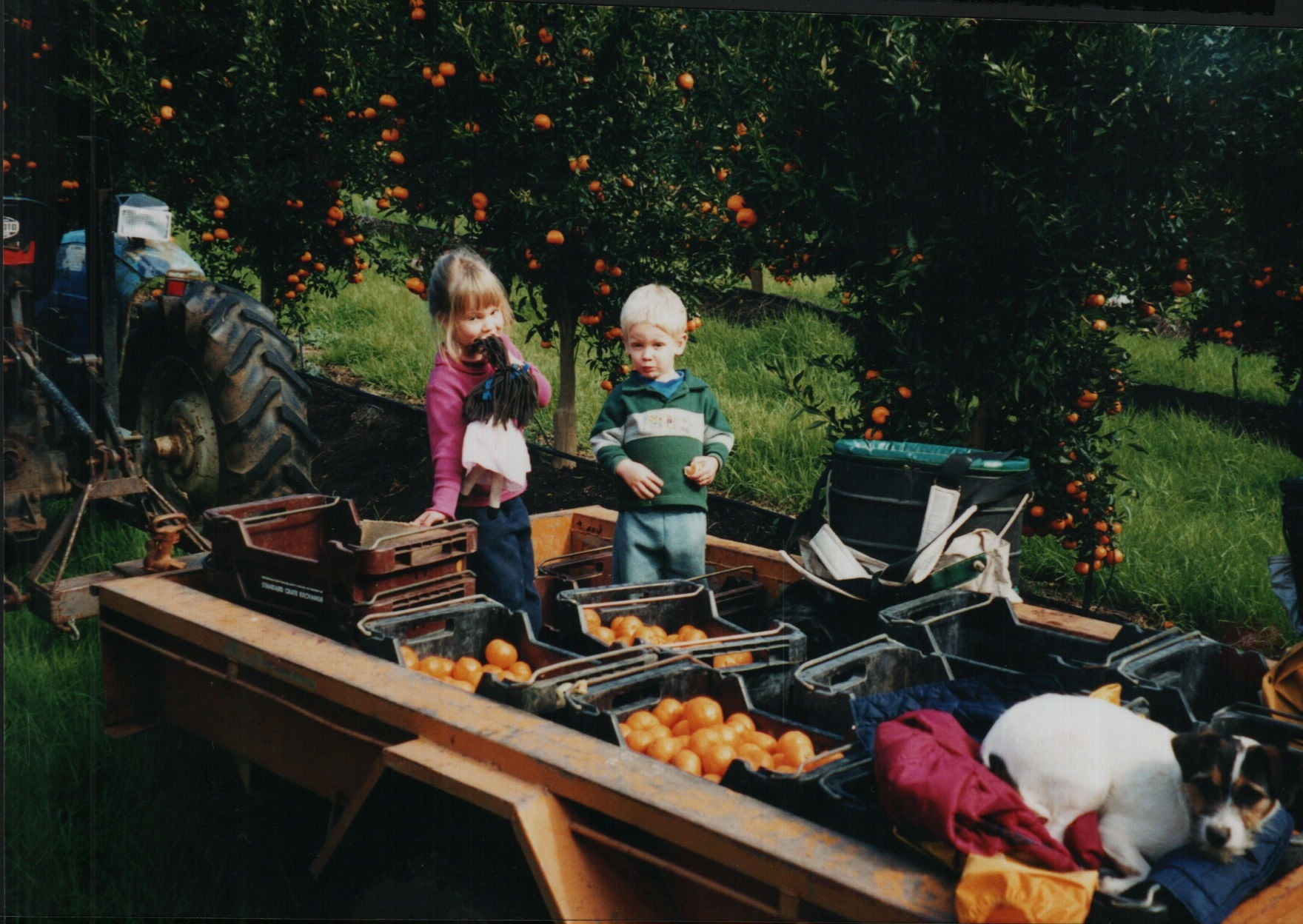
A few children later, we found ourselves owning a mandarin and plum orchard in Western Australia’s South West. The kids were recruited to help pick fruit, although I suspect the homemade 20-meter water slide running down the property left a stronger childhood impression than the finer points of orchard management.
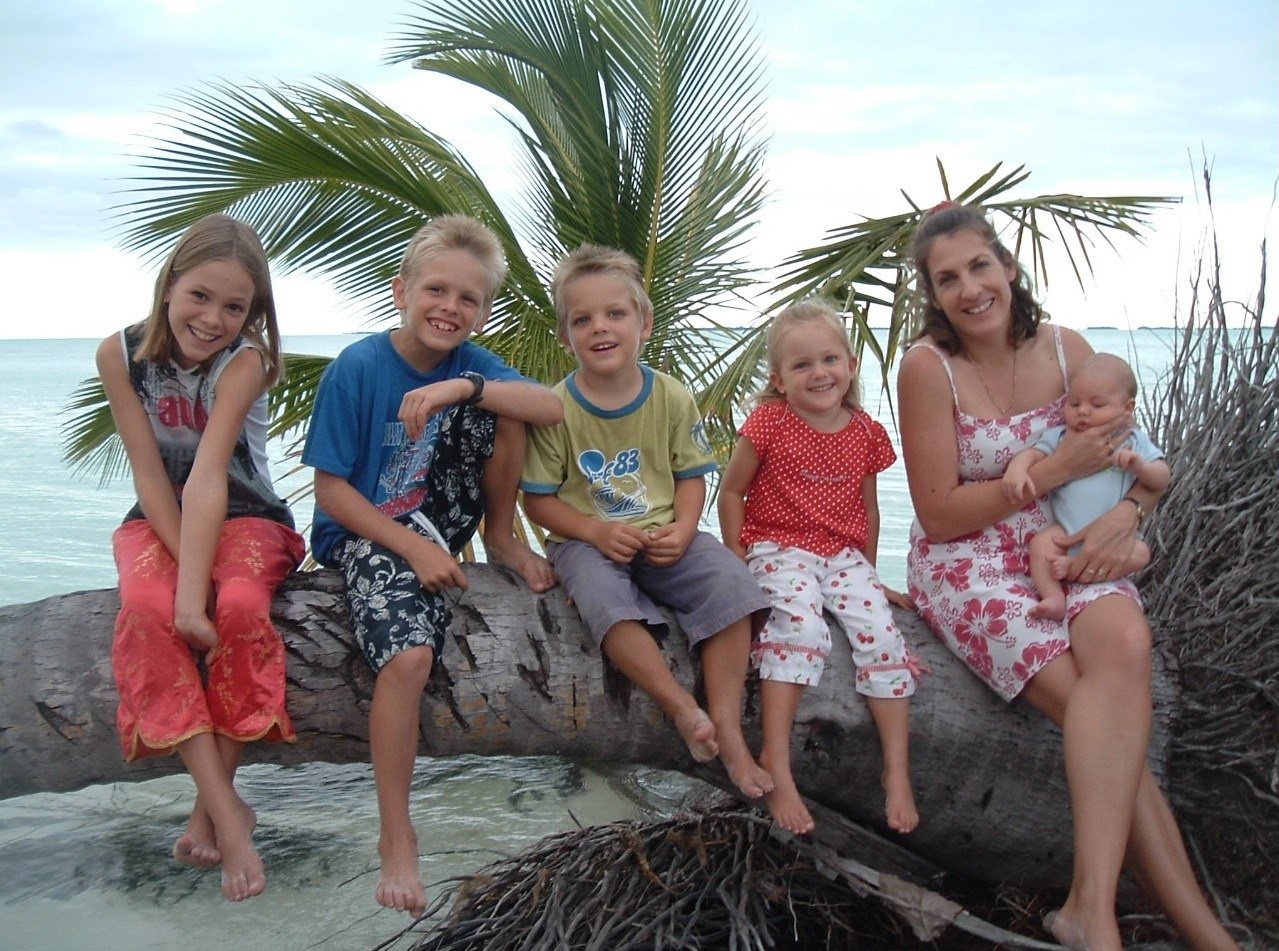
Later, with six children, we packed up and moved to a tropical island.
Then, after our seventh child came along, we took the family traveling through the United States and Canada in a 10-meter motorhome.
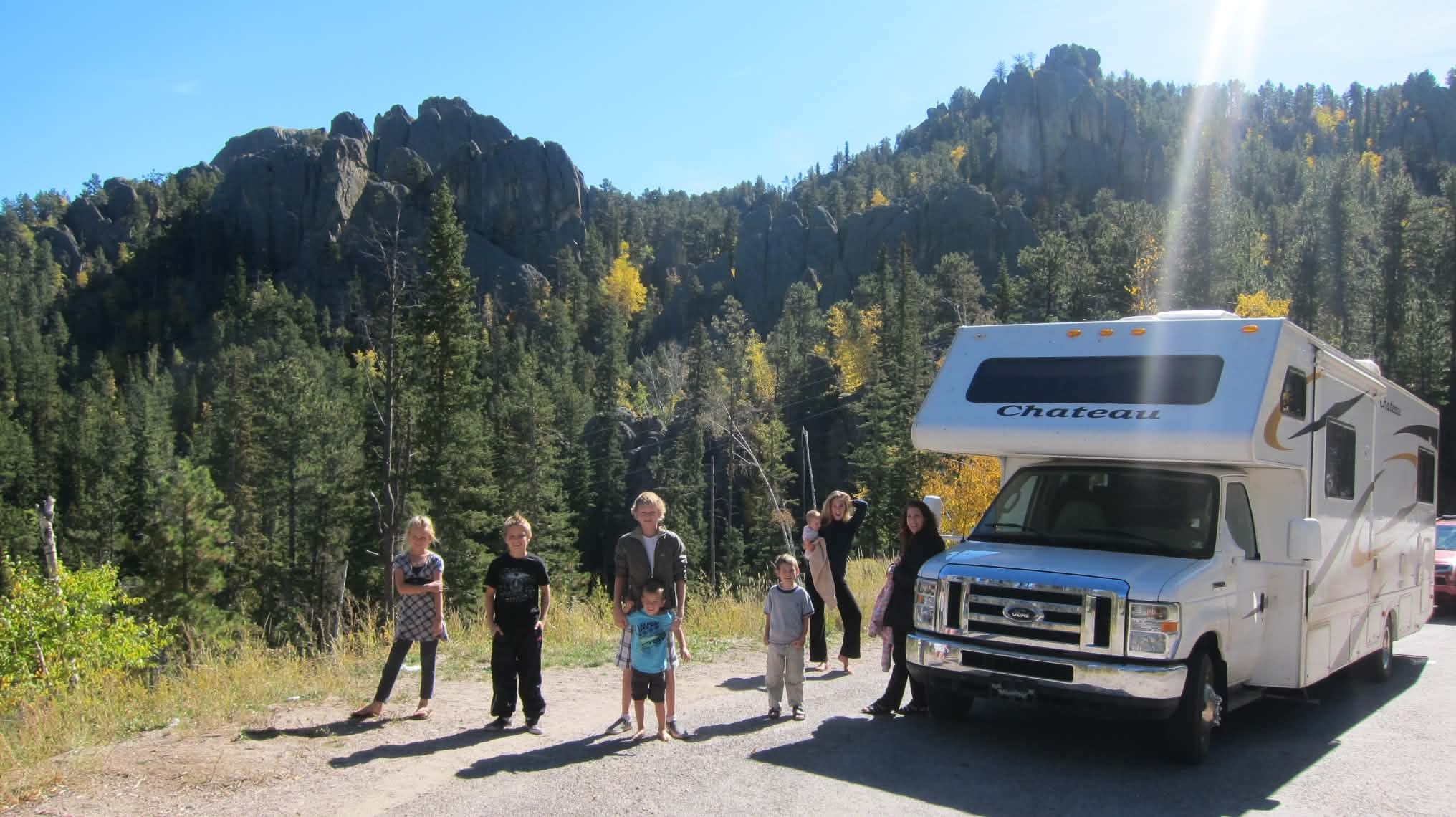
Nine people living in a motorhome requires a certain amount of organization — and tolerance — but we had an incredible time.
Amber summed up what she took from all this beautifully:
“When people tell me they couldn’t possibly think of having kids until they’ve achieved every life goal they’ve ever thought of, I just shrug and say maybe they’re meant to come too.”
That was very much our approach.
Having children obviously changes life. There are more people to consider, more logistics, more expense and usually a great deal more luggage.
But we never felt becoming parents meant the adventurous part of life had to finish.
Where we could, we brought the kids with us. Looking back, some of the most important life lessons from parents came through those shared experiences rather than through anything we deliberately set out to teach.
Looking back, those experiences became part of their education as well. They lived in unusual places, met all sorts of people, traveled through different countries and saw that there wasn’t only one acceptable way to construct a life. Many of the smaller projects and experiences from those years now sit within our family enterprise stories.
2. Stick Your Dreams on Your Wall
This one has become something of a family joke.
Long before I’d heard the term vision board, I used to cut pictures out of magazines showing places I wanted to visit and things I hoped to do, then stick them onto posters where I could see them.
I’m a visual person, and seeing those pictures regularly kept those ideas alive for me.
One photograph had particular importance.
I was born in Kenya and had always wanted to return to Africa as an adult. I had found a photograph showing what I believed was the African savanna and put it prominently on my board.
I looked at that picture for years.
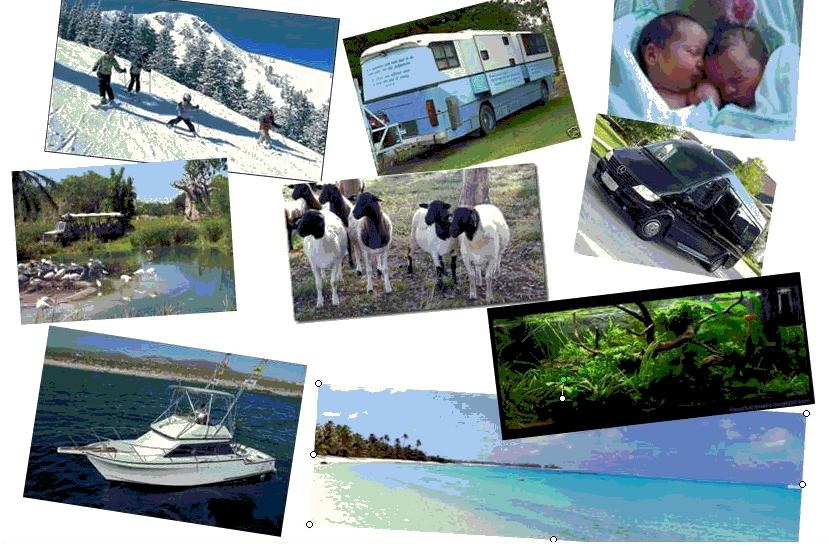
Then, during our motorhome trip through the United States, we visited San Diego Zoo Safari Park.
As we drove through the park, something looked strangely familiar.
It was the scene from my vision board — almost exactly.
It turned out that the photograph I had been looking at all those years wasn’t a photograph taken somewhere in Africa at all. It was a photograph of the savanna landscape at San Diego Zoo Safari Park in California.
So, technically, the vision board worked extraordinarily well. It took me to exactly the place in the photograph — just not to the continent I thought was in the photograph.
Amber still finds this particularly amusing:
“I absolutely believe in the power of vision boarding, but I fact check my photos a little harder now.”
Fair enough.
What I like about the story now isn’t really whether vision boards work, although I’ve always found them useful. It’s that our kids grew up seeing us continue to have dreams of our own.
They heard us talking about places we’d like to visit, things we’d like to build, businesses we might start and experiences we’d like to have. They knew that becoming an adult didn’t mean you had to stop imagining what might come next.
3. 2 + 2 May Not Always Equal 4
Amber describes growing up in our house as learning that “life isn’t black and white.”
That’s probably a fair description.
I regularly told our children to question what they were being told — including what they were taught at school — and to make their own minds up about things.
I wasn’t raising unusual ideas simply to provoke the kids or play devil’s advocate. Quite often I genuinely thought there might be more truth in some of those ideas than there was in the accepted version being taught at school or presented as general consensus on television.
The point I wanted the kids to understand was that they didn’t have to believe something simply because an adult, a teacher, a textbook or someone on television said it was true.
Listen, think about it, look at different perspectives and then make your own mind up.
Sometimes those conversations went in some fairly interesting directions.
Amber remembers writing a school assignment about aliens and receiving a zero from her science teacher.
Her memory of the experience isn’t that the assignment was badly written. Her teacher simply didn’t agree with the perspective she had taken.
That became a lesson of its own.
Amber wrote:
“Questioning things can only make you more curious, and curiosity makes you smarter.”
I like that she took that from her childhood.
Independent thinking doesn’t mean automatically rejecting conventional ideas any more than it means automatically accepting them. It means being willing to think for yourself.
That has a strong connection with what we are trying to encourage through Enterprise for Kids.
Enterprise isn’t just about teaching a child how to start a business.
Children who are comfortable questioning assumptions are more likely to notice problems, see opportunities other people overlook and think about different ways something might be done. Curiosity is a pretty good place for that to begin.
4. Dinner Is the Most Important Meal of the Day
Of all the things Amber wrote about, this section may have surprised me the most.
Dinner was just something we did.
There were nine people in our family, so it wasn’t usually a peaceful, elegant affair. It could be noisy, funny, argumentative and occasionally chaotic.
But we sat down together.
Everyone came to the table, screens were put away and we didn’t start until the family was there.
Before we ate, we went around the table and each person took a turn saying something they were grateful for.
Gratitude was important in our family. Cathy and I wanted the kids to develop the habit of noticing the good things in their lives, even when other things weren’t going particularly well.
It never occurred to me that this simple dinner ritual would become one of Amber’s strongest childhood memories.
She now describes those dinners as “the most cherished time in my childhood memories.”
She also wrote:
“We would come together in all moods, stresses or struggles and talk about our days and achievements. We’d joke or argue, listen and laugh.”
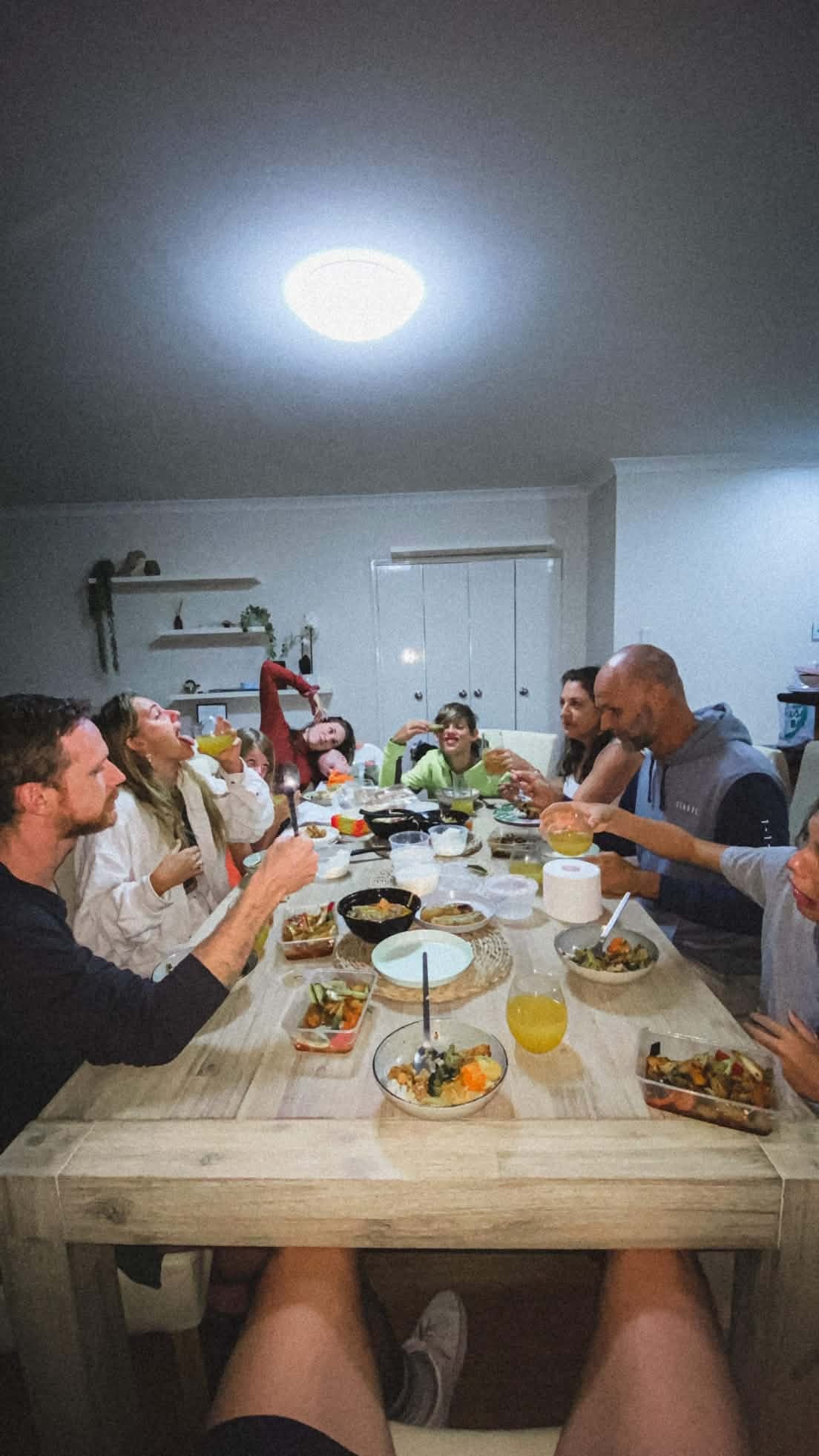
That’s pretty much how I remember it too. Some life lessons from parents are built through ordinary family routines like this, without anyone realizing at the time how much they will matter later.
With nine people around the table, there was never a shortage of conversation.
Someone had done something at school. Somebody had a problem. Someone had an idea. Another person disagreed with it. We’d talk about money, travel, work, businesses, plans, mistakes and whatever happened to be going on in our lives.
The children weren’t excluded from those conversations because they were children. Their ideas counted too.
Looking back, I suspect a surprising amount of their education took place around that table. We have written more about those enterprising dinner-table conversations and the kinds of ideas that naturally came up in our family.
When people hear the phrase raising entrepreneurial kids, they often picture lemonade stands, market stalls and children’s first little businesses.
Those things can be great, but I think enterprise starts much earlier than that.
It can start around a dinner table where children are encouraged to talk, have opinions, listen to other people’s ideas and know that what they have to say matters. Those kinds of family conversations with kids can shape how confidently they contribute their ideas later in life.
5. Love Your Family Hard
Amber’s final lesson was about family.
When the children were growing up, we would make the seven-and-a-half-hour trip north to Geraldton to visit my parents two or three times most years.
With seven children, that meant nine people packed into the vehicle for a very long drive, followed some time later by another seven-and-a-half hours home.
We did it often enough that Amber estimates she made the trip more than sixty-five times during her childhood.
What stayed with her wasn’t really the drive. It was what happened when we arrived.
She remembers watching me sitting on the porch with my parents, drinking tea, talking and simply being happy to spend time with them.
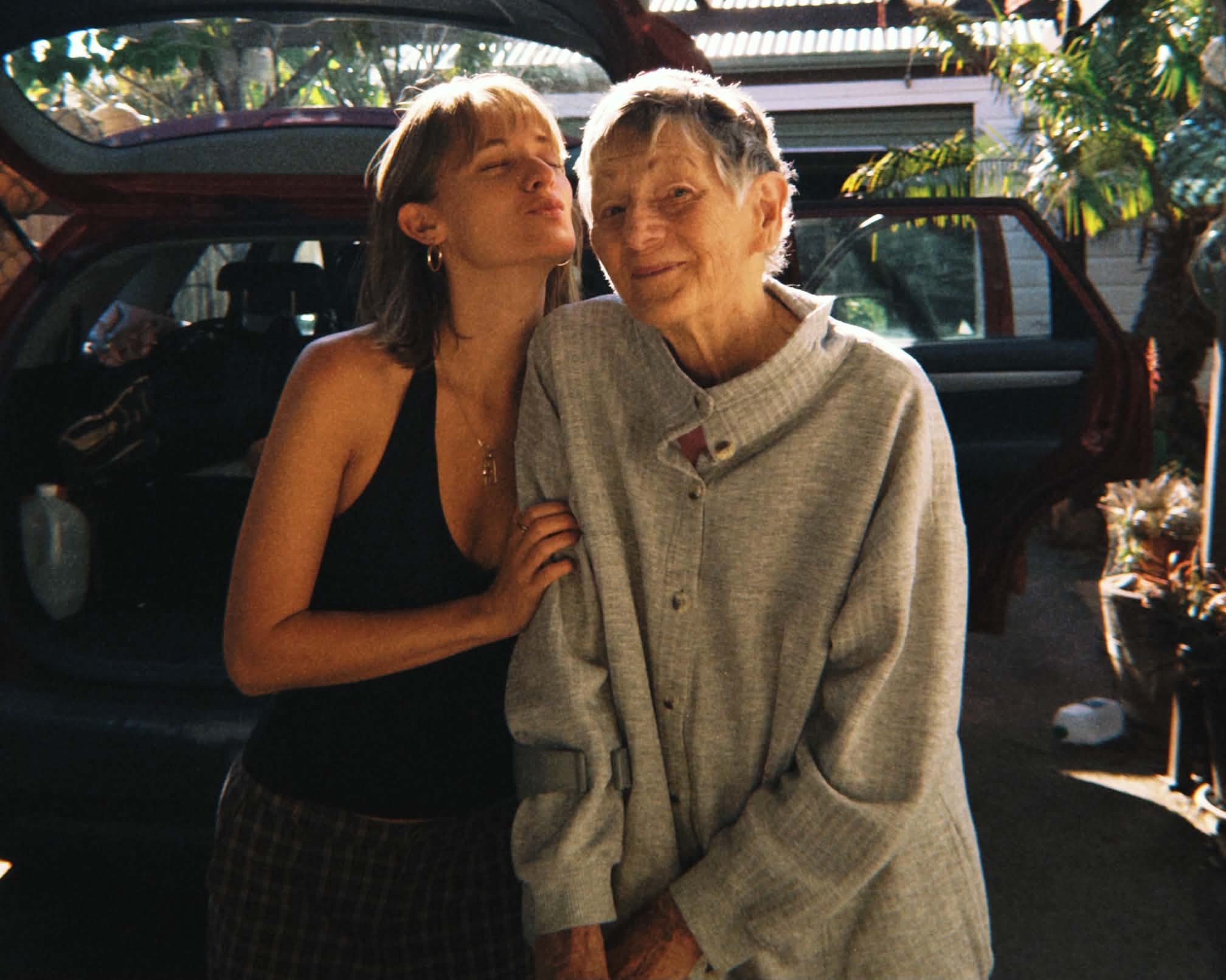
As she got older, she also began noticing some of the quieter ways I showed an interest in what the kids were doing.
She wrote:
“He’s a quiet man but always takes the time to celebrate the wins of his children.”
One example she mentioned means a lot to me.
Amber had recorded a song with a friend. I loved it and would sometimes play it when she wasn’t around and I missed her.
One example she mentioned means a lot to me.
Amber had recorded a song with a friend. I loved it and would sometimes play it when she wasn’t around and I missed her.
She later discovered that I’d been listening to it.
There were similar things with the other kids — watching one of the boys’ latest YouTube videos, reading something one of them had written or taking an interest in whatever project had captured their attention at the time.
She later discovered that I’d been listening to it.
There were similar things with the other kids — watching one of the boys’ latest YouTube videos, reading something one of them had written or taking an interest in whatever project had captured their attention at the time.
I never thought of those things as teaching family values. They were simply what family meant to me.
But children notice more than we realize.
The Life Lessons From Parents Children Remember
Reading Amber’s article made me think about how much parenting happens when we aren’t deliberately trying to parent.
Of course, children remember some of the advice we give them, but they also remember the ordinary things: sitting around a dinner table, long car trips to see grandparents, being asked what they were grateful for, hearing their parents talk about dreams, and being encouraged to challenge an idea rather than simply accept it.
And apparently they even remember a photograph Dad stuck on a vision board many years ago without checking where it was actually taken.
What I particularly like about Amber’s story is that she hasn’t taken those lessons and simply tried to recreate our life. She’s built her own. That is also the idea behind our Our Enterprising Kids Today section, where we look at the very different paths our children have taken as adults.
Writing, music, travel, sport, health, knitting, relationships, work and now a novel all have a place in it. Some of those things will probably remain important to her for decades. Others may eventually give way to interests she hasn’t discovered yet.
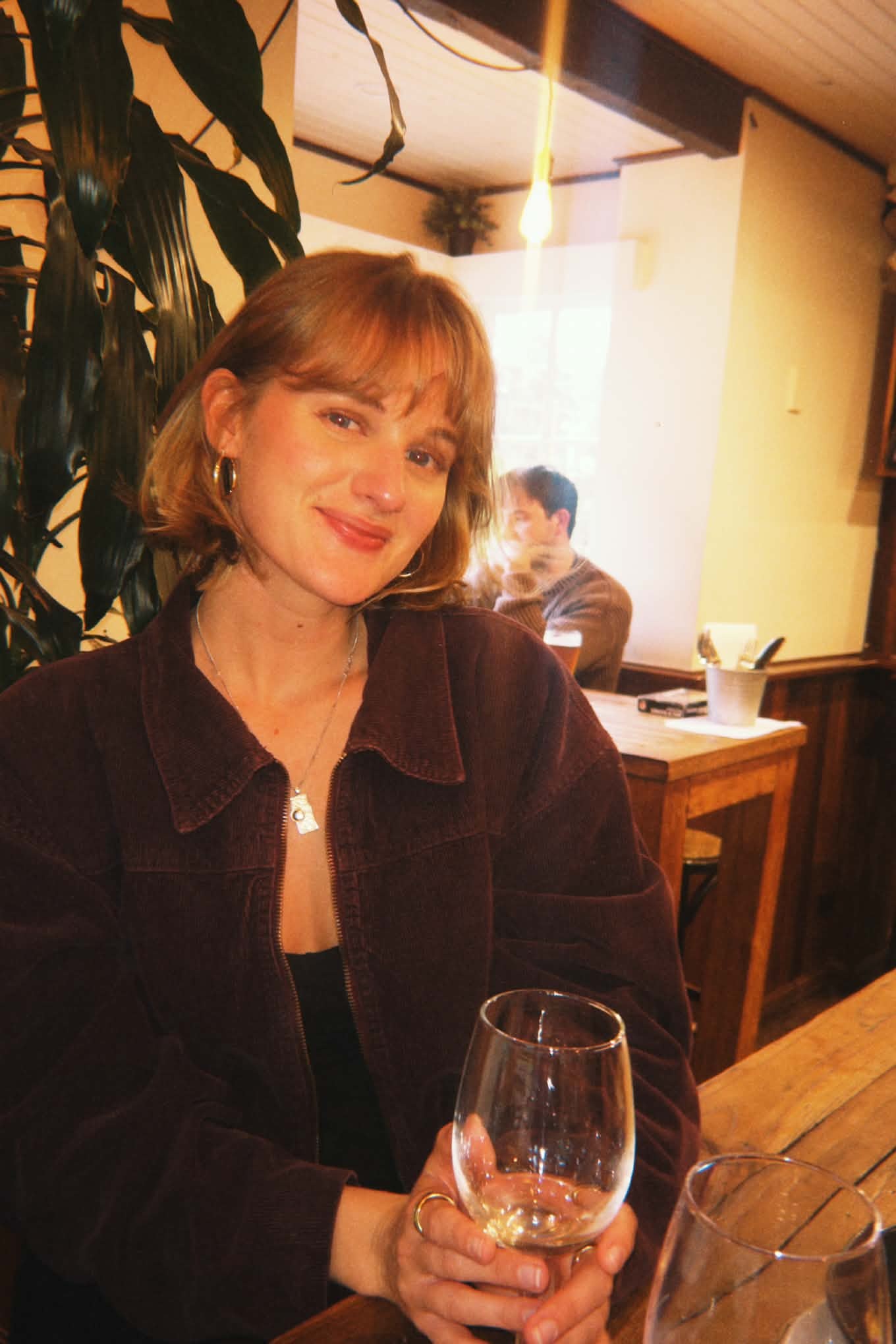
That’s part of the point. The most lasting life lessons from parents are not always formal lessons at all.
One of the strongest messages Cathy and I have tried to give all seven of our children is that there doesn’t have to be one predetermined pathway through life.
You can change direction, have several interests at once, try something that doesn’t work and start again.
For us, that’s also what Enterprise for Kids is really about.
It isn’t simply about producing young entrepreneurs. It’s about children developing enough curiosity, confidence and initiative to explore possibilities and create opportunities for themselves.
Some will use those qualities to build businesses. Others will use them in careers, creative pursuits, family life, community projects or adventures we couldn’t possibly predict for them.
That’s their decision to make.
A Final Thought on Life Lessons From Parents
Amber finished her original article with this:
“I could probably make this post a thousand times over with different lessons every time.”
I hope she does.
There is something quite special about reaching the stage where your children are adults and getting to see parts of their childhood through their eyes.
Some moments you thought were important hardly get mentioned.
Then they remind you of a conversation you have almost forgotten, a family dinner, a long drive, a song you kept playing or a picture you stuck on a wall years ago.
And you discover that while you were busy raising them, they were quietly deciding for themselves which parts were worth carrying with them.
Editor’s Note
This article was inspired by and adapted with permission from our daughter Amber Summer’s original piece, 5 Life Lessons From My Dad, published on her Substack, Dear Summer.
Read Amber’s original article on Dear Summer.
Enjoyed this article?
Join the Enterprise for Kids community for practical family activities, money lessons, inspiring stories and new resources to help raise confident, capable and entrepreneurial young people.
We respect your privacy. No spam. Unsubscribe at any time.