A dog walking business for kids might sound simple, but for Kit it became a real lesson in confidence, problem-solving, service and earning money through enterprise.
This is the story of Kit’s pocket money idea and how he planned to turn dog walking into his first little business.

Dog Walking Business for Kids: Kit Plans His Enterprise
Plenty of kids receive pocket money from their parents. The kids then either save it or spend it. When we used to give pocket money to our kids, they would spend it straight away. Usually, they spent their money on “junky” things that didn’t last long.
This was very frustrating as a parent, so we looked for ways to teach our children to use their money wisely and to build a money mastery mindset for them. From these early days, we came up with some fantastic ideas which we’ll share with you in later blogs.
This particular blog is about Kit’s pocket money idea and how he planned to run his enterprise.
Looking for a Need
Kit saw that there was a need in his neighbourhood for dog walkers. Whilst many people in our community walked their own dogs, there were also elderly or busy people who owned dogs and either didn’t have the energy or time to take their pet for a walk.
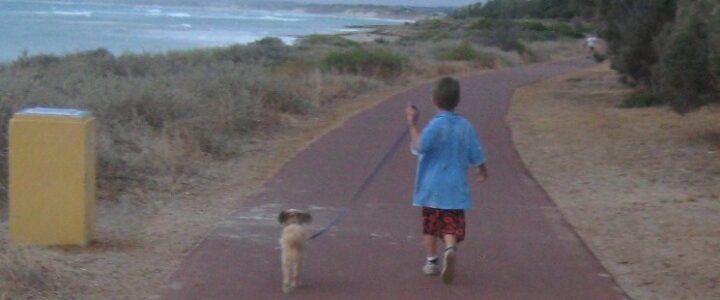
Kit figured that he could offer a service where he would take their pet for a walk on a lead.
At first, when he shared his idea, we thought he had gone bananas! Firstly, Kit had always been afraid of dogs and secondly, he was only six years old. Allowing a six-year-old to walk the streets with other people’s dogs was certainly not looking like a good idea.
However, one thing we have learnt is to never stifle a child’s enthusiasm and condition them to think their ideas are not good enough. So we decided to play along with his pocket money idea.
Why a Dog Walking Business for Kids Needed a Plan
A dog walking business for kids sounds easy on the surface, but when we talked it through with Kit, there were some very real roadblocks.
This is where the learning became valuable. Kit was not just coming up with a cute idea. He had to think about safety, customer trust, his own confidence, the dog’s needs, and whether the service would be worth paying for.
That is why small kids business ideas can be so useful. Children get to practise thinking through a real situation rather than just talking about business in theory.
Roadblocks and Solutions
We talked through a business plan with Kit and investigated the roadblocks that he might be faced with. Then we investigated the solutions.
The main issue was that he was too young to walk other people’s dogs by himself, so we discussed that he needed an older person to go along with him. This would also provide reassurance to the pet owners that their dog would be looked after. Luckily, his Grandad offered to help out. He reckons he needed the exercise anyway!
The other issue was that Kit wasn’t confident with dogs. So the plan was to carry a pocket of doggy treats to keep the dog happy and obedient. In addition, Kit would provide his own dog lead.
By offering doggy treats and a lead, Kit was “adding value” to his service.
We also talked about being safe and respectful around dogs. The RSPCA WA safety around dogs information is a useful reminder that children should be supervised around dogs and should understand how to behave calmly and safely around them.
Kit’s Dog Walking Enterprise Idea

Kit’s idea was simple: offer to walk dogs for people who needed help.
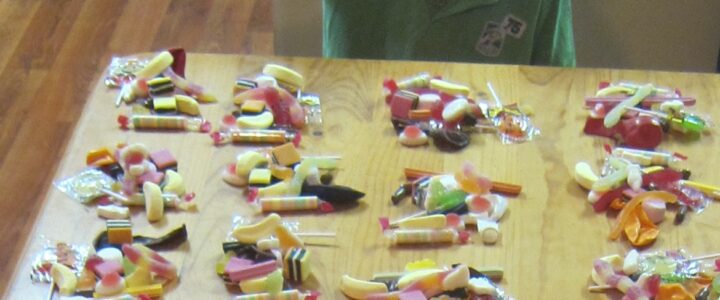
That made it a service-based business. He did not need to buy stock like Chayse did with his lolly bags. Instead, Kit needed to offer his time, care and effort.
This gave us a great opportunity to talk about the difference between earning money from a product and earning money from a service. Both can be valuable money lessons for kids, but they teach slightly different things.
With Kit’s dog walking idea, the lesson was not just about money. It was about trust, responsibility and doing a job properly for someone else.
Could Kit Become the Next Dog Whisperer?

Kit decided that he would negotiate a walking fee of $5 for a half-hour walk. If he had one customer a day, then he could pocket $35 a week.
So it was on. Kit was now officially a professional dog walker!
And who knows… from these humble beginnings, he may even become the next famous Dog Whisperer!
What Kit Learned from Planning His Enterprise
Even before Kit walked his first dog, the planning process had already taught him a lot.
- He noticed a need in the neighbourhood.
- He thought of a service people might pay for.
- He talked through the risks and roadblocks.
- He found a way to make the idea safer by involving Grandad.
- He added value with treats and a dog lead.
- He thought about a simple fee for his service.
Like many of our family enterprise stories, Kit’s experience was not just about making money. It was about learning to notice an opportunity, solve practical problems and take an idea seriously.
That is exactly the sort of thinking we want to encourage when we talk about raising entrepreneurial kids. It is about helping children notice opportunities, solve problems and back themselves enough to try.
Kit’s Dog Walking Business Series
This post is the planning stage of Kit’s dog walking idea. You can follow the next stage here:
- Part 1: Kit Plans a Dog Walking Business — Kit notices a need, works through the roadblocks and plans his service.
- Part 2: The Dog Whisperer! — Kit gets started, walks his first customer’s dog and earns money from his idea.
Key Takeaway: A Dog Walking Business for Kids Teaches More Than Money
Key takeaway: A dog walking business for kids can teach far more than earning pocket money. Kit’s idea helped him think about service, safety, value, responsibility, confidence and solving a real need in his community.
You can continue with Kaitlin’s Portrait Drawing Enterprise, where Kaitlin turns her creative skills into a carefully planned student business idea.
We would love to hear from you, so please leave a comment.