Family Enterprise Stories That Build Real Confidence and Learning
Our family enterprise stories share the real-life projects, small businesses, market stalls, money lessons, creative ideas, mistakes and conversations that helped our children learn about value, responsibility, initiative and opportunity.
Seven Kids. Dozens of Small Ventures. Lessons We Still See Today.
Most of these stories began with something very small.
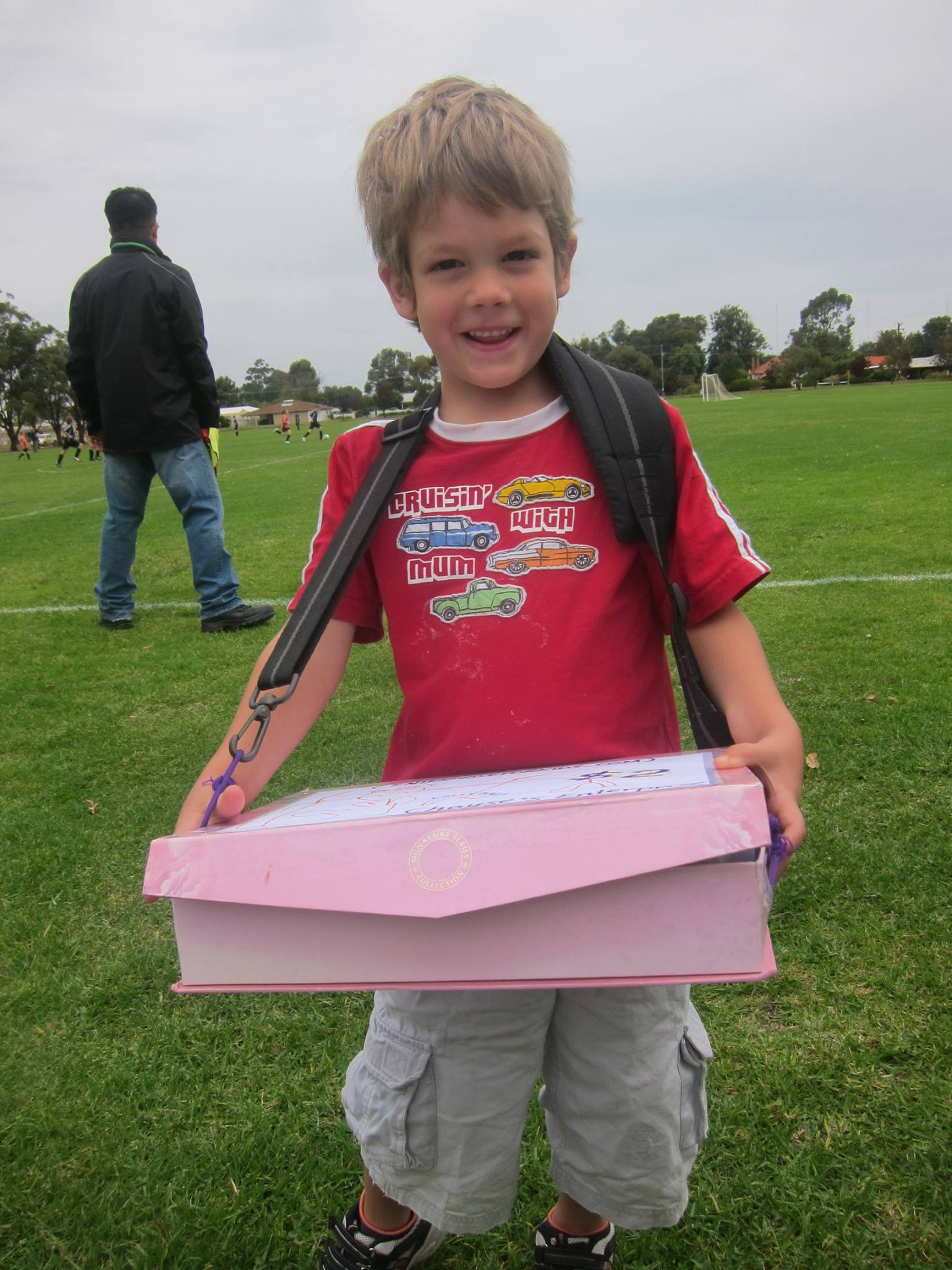
A child wanting to earn money. A market stall. A jar of honey. Lolly bags at the soccer oval. A dog that needed walking. Sometimes we deliberately created an experiment. Other times, the kids simply spotted an opportunity and ran with it.
We didn’t know at the time which experiences would matter. Looking back years later, some of the smallest ventures taught surprisingly big lessons about money, confidence, initiative, responsibility and resilience.
These are the stories of what our kids actually tried, what happened, what went wrong, and what they took with them into adulthood.
What You’ll Find in Our Family Enterprise Stories
This section gathers stories from our family’s enterprise journey, including childhood ventures, market stalls, simple business experiments, money conversations and creative projects that became powerful learning experiences.
Some stories are about success. Others are about mistakes, problem-solving, persistence and learning by doing. Together, they show how enterprise can become part of family life in a natural and meaningful way.
Small Business Experiments
Children can learn a great deal from simple ventures such as selling products, helping with family projects, creating something useful or solving a real problem for someone else.
Money and Value Lessons
These stories show how children can begin to understand earning, pricing, saving, spending, investing and the difference between cost and value.
For additional practical guidance, ASIC’s Moneysmart guide to teaching kids about money explains how everyday conversations and experiences can help children develop lasting money skills.
Confidence Through Experience
Real-world experiences help children practise communication, decision-making, responsibility, creativity and resilience in ways that ordinary lessons often cannot.
Family Enterprise Stories That Teach Real Lessons
Family enterprise stories are at the heart of our journey because they show what learning actually looked like in our family.
These are not polished business case studies. They are the actual things our children created, sold, tested, tried and occasionally got wrong. Some ideas worked beautifully. Others disappeared almost as quickly as they began.
But even when the business itself did not last, the experience often did.
Small Ventures, Big Growth
From honey ventures and lolly bags to market stalls, money games and creative business ideas, these family enterprise stories show how seemingly small childhood experiences can build confidence, initiative, responsibility, resilience and belief.
What looks like a tiny idea at the time can become a stepping stone in developing entrepreneurial thinking.
What Enterprise Looked Like in Our Family

Enterprise in our family was rarely formal. Often it simply grew out of everyday life.
Sometimes it looked like:
- selling a real product to real customers
- testing an idea to see whether anyone would buy it
- noticing a need and finding a way to solve it
- working out costs, prices and profit
- talking to customers and learning to handle rejection
Other times it looked like:
- family challenges
- conversations around money
- experiments that did not work
- games that changed the way we thought
- market days and community events
- meeting people who thought differently about business and life
That is one of the things we learned along the way: entrepreneurial learning does not follow one neat path. It can happen almost anywhere when children are given the opportunity to try something real.
The Part We Couldn’t See at the Time
Looking back now, many of these early experiences mattered far more than we realised while they were happening.
At the time, a lolly business was just a lolly business. A market stall was a Saturday activity. A money conversation was simply part of family life.
Years later, we can see some of the qualities those experiences were quietly building: independence, money awareness, creativity, courage, communication, initiative and personal leadership.
Our seven children did not all become the same type of entrepreneur, nor did they follow the same path. That is perhaps the most interesting part of the story.
If you want to see what became of those children and where their different paths led, visit Our Enterprising Kids Today.